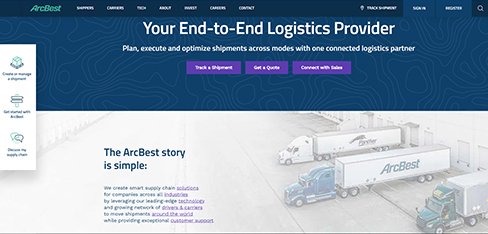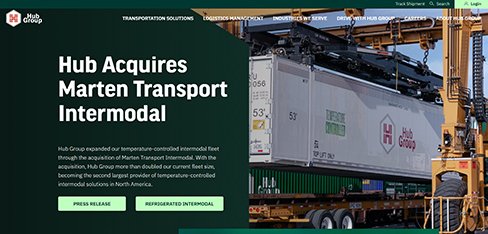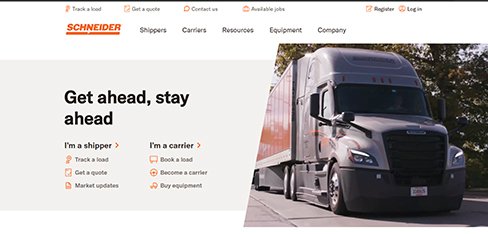
Logistics software carries direct operational consequences. A dispatcher loses thirty seconds per load on a cluttered console and handles fifty fewer shipments per shift. A driver misreads a delivery instruction in rain and triggers a costly reattempt. A warehouse picker skips a high-priority order because the screen hierarchy buried it under yesterday’s backlog. A customer opens a tracking page that shows “in transit” for three days and calls support twice. Weak Logistics UI UX Design shows up as rising cost per shipment, slipping on-time delivery rates, dispatcher churn, and customer support volume that grows faster than shipment volume. In supply chain, every interface decision touches unit economics every single hour.
Our approach treats logistics software as an operational instrument, not a dashboard. Before any screen is produced, our team studies control rooms during peak load, rides along with drivers, observes warehouse floor rhythms, and maps integration points with TMS, WMS, YMS, and OMS systems already in production. From there we deliver research-backed information architecture, operator consoles, driver apps designed for in-cab use, warehouse picking interfaces, shipment tracking portals for customers, and component libraries tuned for dense real-time data. As a specialized logistics UX design services partner, we engineer the moments that decide operational economics: load assignment, exception handling, proof of delivery, and cross-dock transfers. Each screen ships tied to a named operational metric.
Eighteen years of design experience across thirty-plus countries gives our team genuine fluency in how freight actually moves across very different regulatory, infrastructural, and labor contexts. UX Stalwarts has partnered with early-stage logistics founders launching digital freight marketplaces and with established carriers modernizing legacy green-screen TMS interfaces. Our designers read telematics feeds, shadow shift supervisors, work alongside compliance teams, and speak the vocabulary of EDI 204s, ELD mandates, DOT hours-of-service, multi-modal shipments, bonded warehousing, and carbon reporting. That grounding separates surface polish from a B2B logistics UX agency capable of improving operational numbers rather than just refreshing visual style. Every screen ties to a measurable metric we remain accountable for in production.

Generic UX research misses control-room realities. Our discovery includes dispatcher shadowing during peak hours, driver ride-alongs across long-haul and last-mile routes, warehouse floor observation, and customer-service call reviews. Every design decision stays grounded in how real operations actually behave rather than how product managers describe them.

Logistics screens carry more data per square pixel than almost any other software category. We engineer visual hierarchy so operators can scan exception lists, route plans, and shipment statuses without cognitive overload. Dense is not the same as cluttered when hierarchy, weight, and color are chosen with intention.

Driver apps get designed in comfortable offices and break the moment they meet gloves, cold weather, truck vibration, and strict regulatory attention rules. Our driver interfaces are validated with real drivers in real conditions, with voice-first flows and single-tap confirmations that respect how hands actually behave on the road.

Logistics platforms serve dispatchers, drivers, warehouse teams, customer service, compliance officers, and end customers. Each role has different urgency, different training, and different attention budgets. We design each role distinctly, avoiding the one-dashboard-fits-all trap that produces screens nobody finds easy to use.

Many logistics engagements replace twenty-year-old green-screen TMS interfaces used by operators who know them by muscle memory. Our approach respects that muscle memory rather than dismissing it, mapping workflows carefully so new interfaces earn trust rather than forcing retraining that slows operations during migration.

Logistics operates in shifts, seasons, and peak-demand windows like holiday freight or quarterly warehouse closes. Our collaboration model matches that cadence through weekly product syncs, shared Figma spaces, written decision logs, and direct designer access. Releases time around low-volume windows so rollouts never burden operators during critical moves.
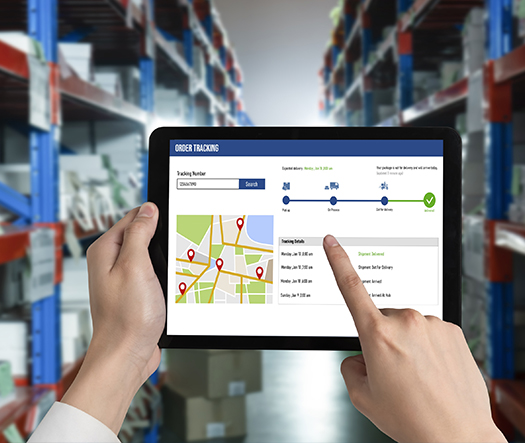
Logistics interfaces carry measurable operational consequences. A cluttered dispatcher console drops load throughput. A clunky driver app drives proof-of-delivery errors. A confusing warehouse screen slows order picking during critical cutoffs. Strong logistics design work shifts metrics that compound: loads per dispatcher per shift climb, on-time delivery rates improve, exception handling times drop, and customer support calls fall. A thoughtful supply chain design partner understands operational pressure, regulatory realities, and the quiet moments where small interface decisions turn into expensive reattempts. Every screen earns its place in the workflow of people who keep freight moving.
Partner with specialists who design logistics software that actually ships.
Every engagement follows a deliberate sequence built to reduce operator friction, integrate cleanly with legacy systems, and improve shipment economics at scale.

We begin by mapping the operational reality around your software. Dispatcher interviews, driver ride-alongs, warehouse observation, and integration audits across TMS, WMS, and telematics systems establish the baseline every design decision must eventually improve. Existing shift performance data, exception rates, and support categories anchor the brief.

Logistics platforms serve distinct operator roles with different rhythms. We separate dispatcher, driver, warehouse, customer service, and compliance journeys into independent maps documenting hourly tasks, emotional load, device context, and cross-role handoffs. These artifacts guide every subsequent screen so multi-role handoffs stay smooth rather than stitched.

Logistics screens often contain hundreds of live data points. We structure information hierarchy through tree testing, card sorting, and controlled-density studies. Filter behavior, sort defaults, exception surfacing, and peripheral-vision cues are engineered so operators scan rather than hunt. Component density is designed deliberately rather than allowed to sprawl.

High-fidelity dispatcher consoles, driver apps, warehouse scanners, and customer tracking portals ship alongside a component library tuned for dense real-time data. Status transitions, map behavior, alert hierarchy, and audit trail patterns are weighted through visual systems designed to support decisions under time pressure. Accessibility review happens before engineering handoff.

Designs are tested with real operators during simulated peak conditions. Dispatcher load assignment accuracy under volume, driver app usability with gloves on in low light, and warehouse picker speed against cutoff deadlines are all validated before launch. Edge cases like offline recovery, partial load splits, and emergency reroutes are designed explicitly.

Post-launch, shift data guides refinement. Loads per dispatcher per hour, on-time delivery rate, exception resolution time, proof-of-delivery accuracy, and operator-reported friction are monitored against the Phase One baseline. Where gaps surface, targeted revisions ship in structured sprints so the software keeps improving operational economics through seasons, volume shifts, and network changes.
Drawn from over one thousand engagements, these projects reflect measurable outcomes across freight platforms, fleet software, warehouse systems, and last-mile products.
Foundational values behind every logistics engagement are operational honesty, integration discipline, and measurable throughput. Teams evaluating a partner for supply chain UX design weigh domain fluency against execution speed, and both matter here. From seed-stage logistics founders launching digital freight marketplaces to established carriers modernizing legacy TMS interfaces, our team operates across the maturity spectrum. Design decisions balance immediate operator needs against the runway required for network growth and regulatory shifts.
Industry coverage spans road freight and trucking, ocean and air cargo, rail, last-mile delivery, cold chain, 3PL operations, contract logistics, freight marketplaces, customs brokerage, and cross-border platforms. Our transportation UI UX design work extends across carrier operations, shipper portals, and B2B marketplace apps. That cross-modal pattern library sharpens decisions on how logistics software interface design should feel intuitive on first use rather than demanding weeks of operator retraining.

Choosing the best UX design company for logistics SaaS comes down to operational fit, not reputation alone. UX Stalwarts has been cited in supply chain publications, shortlisted for international design awards, and referenced in carrier and shipper case studies because the output lifts operator throughput and integration stability rather than just refreshing visual style. Three commitments explain why operations leaders select our team.
Operator Throughput Ownership: Every console ships tied to a load-per-shift or exception-per-hour number, and our team stays engaged until the metric moves in production.
Density Engineered As Craft: Dense data becomes scannable rather than overwhelming, so operators spend time acting on shipments instead of hunting for information.
Integration Aware Design: EDI, TMS, WMS, telematics, and ERP constraints shape interfaces early, so designs ship cleanly rather than breaking at development handoff.
Our studio uses category-leading tools selected for collaboration speed, engineering handoff accuracy, and real-time analytics integration across every SaaS UX design and logistics software UX design engagement we run.









Booking took 28 minutes and rate quotes took hours. Digital brokers were eating our lunch. UX Stalwarts redesigned with instant quoting and template booking. Cutting booking time by 72 percent made us competitive with digital-native players while leveraging our asset-based reliability.
Waiting in a 4-hour window with no visibility was terrible. UX Stalwarts designed tracking that gives consumers package-delivery-level visibility for a 300-pound couch. Satisfaction jumping to 94 percent and missed deliveries dropping 72 percent proved communication design transforms logistics perception.
In a tight carrier market, 14-day onboarding meant losing drivers to faster competitors. UX Stalwarts compressed it to 3 days with digital verification and mobile tools. Onboarding 4,000 carriers in 6 months validated that carrier experience is a competitive differentiator in logistics.
The questions operations and product leaders ask before choosing a partner.
Start with operational specificity. A generalist studio that has never shipped a dispatcher console or a driver app will miss where operations actually break down. A proven B2B logistics UX agency brings multi-role marketplace fluency, not just enterprise SaaS portfolios. Ask for before-and-after throughput numbers rather than aesthetic case studies. Check experience with TMS, WMS, and telematics integration depth your engineering team actually needs. Review component libraries designed for dense real-time data. A credible partner ranked among the best UX design company for logistics SaaS candidates defends decisions to operations, product, and engineering leads in one meeting. Portfolios alone never reveal whether the studio has shipped software to real control rooms. Buyers evaluating Best logistics website design services, a Logistics Website design company, or logistics app design solutions apply the same operator-grounded benchmarks.
Pricing for logistics UX design services varies with scope, operator role count, and integration complexity. A focused UX audit on an existing logistics software product typically starts in the low five figures. A complete logistics UI UX design engagement covering research, role workflow mapping, density architecture, operator consoles, driver apps, and a component library usually runs mid-five to six figures. Enterprise programs involving multi-region rollouts, legacy system replacement, or ongoing optimization reach higher. Logistics UX design services pricing ultimately depends on role count, integration depth, localization scope, and post-launch support. Transparent scoping before contract signature prevents commercial surprises. Pilot sprints on one high-leverage surface are also available for early-stage logistics teams. Pricing patterns for a logistics product design agency, a Logistics UX Design company, or UI/UX Design for Logistics retainer follow the same scope drivers.
Timelines depend on scope and role count. A targeted audit with prioritized recommendations typically takes three to four weeks. A single-surface redesign like a dispatcher console or driver app runs six to ten weeks including validation. A full engagement covering discovery, role workflow, density architecture, operator interfaces, and a documented component library generally runs sixteen to twenty-four weeks. Warehouse management UX design rebuilds or legacy TMS replacements involving multi-region rollouts extend further. We scope in two-week milestones with visible deliverables so operations, product, and engineering teams can evaluate progress continuously across shift data. Transportation UI UX design engagements follow the same structured cadence for predictability. Scheduling rhythms hold steady across Logistics Services UX/UI Design engagements, established Logistics website UI design firms, and any seasoned Logistics Design Agency cadence.
A structured engagement follows six sequential phases. First, operations discovery collects dispatcher, driver, and warehouse observation alongside integration audits. Second, role workflow mapping separates each operator type into independent journey documents. Third, data density work validates information hierarchy through controlled-density testing. Fourth, operational interface craft produces high-fidelity consoles, driver apps, and customer portals against a component library. Fifth, shift floor validation tests designs under simulated peak conditions before development. Sixth, operational iteration tracks post-launch metrics and ships refinements. Each phase ends with a signed-off deliverable. This sequencing is why logistics design UX design services engagements protect timeline integrity and operational continuity during cutover. The sequencing pattern recurs across logistics UI UX design companies, logistics UI UX design firms, and proven logistics UI UX design solutions providers.
Three things separate our logistics work. First, operator throughput ownership. Every console ships tied to a named productivity metric rather than a visual KPI. Second, density engineered as craft; dense data becomes scannable rather than overwhelming. Third, integration awareness. EDI, TMS, WMS, and telematics constraints shape interfaces early rather than breaking designs at handoff. A proven UI UX agency supply chain practice applies this discipline across carrier, shipper, and broker platforms. Teams evaluating supply chain user experience partners look for exactly this operational depth. Portfolio polish alone never reveals whether the studio can ship software that holds up under real shift load. This separates leading Logistics UI UX Design Agencies from generalist logistics design services vendors offering basic UX/UI design for logistic platforms.
Starting is deliberately lightweight. A brief discovery call covers operator role mix, integration landscape, regulatory jurisdiction, known pain points, and desired outcomes. Within five working days you receive a scoped proposal covering phased milestones, deliverable samples, team composition, timeline, and commercial terms. A paid pilot sprint focused on one high-leverage surface is available for teams wanting to test chemistry before committing to larger work. Most clients move from first conversation to kickoff within two weeks. You can begin with a short enquiry, share operational documentation under NDA, or explore related capabilities through our broader UX design services page as a starting reference. The same lightweight onboarding applies whether you engage a Best Logistics Website Designs Company, a logistics platform UI UX design Firms specialist, or a focused logistics UI UX design services team.
Several adjacent capabilities compound the impact of logistics product design. A mature design system accelerates every new feature release and protects consistency across dispatcher, driver, warehouse, and customer-facing surfaces. Conversion rate optimization sharpens customer-facing tracking and booking flows through continuous A/B testing. SaaS UX design for back-office tools benefits from dedicated usability testing, accessibility audits for inclusive operations, and motion design for live map transitions. Selection depends on product stage; early-stage logistics platforms prioritize role workflow and density, while mature SaaS products gain more from optimization and analytics-driven iteration across operator cohorts over time. Bundling considerations apply equally to logistics app design services, a chosen logistics UI UX design agency, or a partnered logistics app design agency.
Every engagement is scoped around the specific logistics product, not a template. A digital freight marketplace has different needs than a private fleet management platform. A cold-chain warehouse system requires different hierarchy than a parcel last-mile tracking app. Our fleet management UI UX design work differs significantly from warehouse automation UI or freight procurement platform design. Logistics app UI design for last-mile drivers looks different from enterprise dispatcher consoles or customs brokerage portals. Discovery produces a custom engagement plan accounting for freight mode, regulatory jurisdiction, integration landscape, and operator role mix. Sprint cadence and deliverable format adjust to match how your operations organization actually makes decisions. Adaptability marks any credible logistics product design company, reputable Best logistics website design services provider, or specialized Logistics Website design company.
Yes, and it is usually where meaningful operational wins happen. After launch, real shift data often differs from research predictions in small but important ways. Retainer options range from enterprise programs to lighter engagements for smaller platforms. Typical support covers ongoing design iteration, component library expansion, integration updates with new telematics or ERP systems, periodic usability studies, and analytics-driven optimization of dispatcher and driver flows. A dedicated logistics UX partner keeps that rhythm consistent through seasonal volume, network expansion, and regulatory changes. Logistics SaaS UX strategy often extends through multi-quarter roadmaps. Remote validation plays a central role here, covered in our guide to remote usability testing. Long-term retainers across logistics app design solutions, a strategic logistics product design agency, and a trusted Logistics UX Design company follow the same iteration cadence.
Coverage spans road trucking, ocean freight, air cargo, rail, last-mile delivery, cold chain, 3PL operations, contract logistics, freight marketplaces, customs brokerage, and cross-border supply chain platforms. Clients range from pre-launch freight founders to listed logistics groups operating across India, the United States, the United Kingdom, the GCC, and Southeast Asia. A regionally experienced team understands that Indian road trucking relies heavily on vernacular driver apps, GCC cold-chain requires temperature-compliance visibility, US operations prioritize DOT hours-of-service enforcement, and EU freight demands ADR and customs integration. Pattern transfer across modes is deliberate; a proven dispatcher console for trucking often accelerates ocean freight planner decisions because operator cognitive load patterns repeat. Pattern transfer extends across UI/UX Design for Logistics portfolios, Logistics Services UX/UI Design programs, and experienced Logistics website UI design firms.
Dispatcher productivity reflects screen architecture, not feature count. Our method combines four techniques. First, exception-first surfacing. Loads needing attention rise to the top rather than hiding in long lists. Second, single-surface decision paths. Dispatchers should resolve most exceptions without switching tabs or opening modals. Third, keyboard shortcuts and power-user patterns for experienced operators. Fourth, contextual data inline rather than hidden behind clicks. Fleet monitoring dashboard UX and shipment tracking UX work built on this discipline can lift loads-per-dispatcher-per-shift by double-digit percentages without changes to dispatch algorithms. Logistics software interface design done well rewards operator experience rather than punishing it through retraining. Productivity benchmarks recur across every credible Logistics Design Agency, shortlisted logistics UI UX design companies, and proven logistics UI UX design firms.
Driver apps fail in the field when designed for offices. Our approach validates designs under real conditions: gloves on in winter, bright sunlight on dashboards, vibration during highway driving, and regulatory restrictions on screen interaction while vehicles move. Single-tap confirmations, voice-first flows, offline-first caching, and large-target UI respect how hands actually behave on the road. Route optimization interface design must present choices clearly enough for decisions at traffic lights, not in quiet meeting rooms. Logistics app UI design for drivers also respects earnings transparency, safety, and hours-of-service compliance, because frustrated drivers produce more costly failures than any dispatcher error ever could. Real-road validation separates serious logistics UI UX design solutions, shortlisted Logistics UI UX Design Agencies, and durable logistics design services from cosmetic vendors.
Cross-border platforms demand more than translated UI. Documentation requirements, HS code lookups, bonded warehouse workflows, and customs clearance status vary sharply by market. Our approach builds flexible templates that localize compliance disclosures, document fields, and regulatory language while preserving brand consistency. Right-to-left layouts for Gulf operations, localized date and weight formats, and multi-script rendering are designed in from day one. Our article on multi-language interface design for global platforms covers the broader approach. Freight forwarders and customs brokers require especially precise document UX because a single missing field can delay a container for days at port. Localization rigor is a reliable filter when selecting UX/UI design for logistic platforms, a Best Logistics Website Designs Company, or specialized logistics platform UI UX design Firms.
Yes. Logistics design systems carry specific requirements beyond general enterprise systems. Components must handle dense data tables, exception tags, status chips for shipment states, route polylines, weight and dimension displays, multi-currency pricing, and regulatory disclosures. Our system engagements produce tokenized foundations, a production-ready component library, documented accessibility behavior, and developer handoff kits across dispatcher, driver, warehouse, and customer surfaces. For enterprise carriers, long-term stewardship matters as much as the initial build, which we explore in our article on design system governance. Warehouse automation UI work benefits equally from disciplined system foundations that scale. Documented systems remain a baseline expectation across logistics UI UX design services engagements, logistics app design services retainers, and any selected logistics UI UX design agency.
Measurement begins before design. During discovery we capture baselines for flows being redesigned: loads per dispatcher per shift, exception resolution time, on-time delivery rate, proof-of-delivery accuracy, customer support call volume, and operator-reported friction. After launch the same metrics are re-measured at thirty, sixty, and ninety days. Secondary signals include dispatcher tenure, driver app ratings, warehouse picker productivity, and exception backlog trends. Quarterly reviews tie design decisions back to cost per shipment, revenue per load, and customer retention movement. Whether the project is fleet management UI UX design for a private fleet or warehouse management UX design for 3PL operations, measurement discipline distinguishes cosmetic redesigns from durable operational improvement. Measurement discipline distinguishes a credible logistics app design agency and a serious logistics product design company from cosmetic vendors.

C – 81C, Sector – 8, Noida 201301, India


1025 Beamon Drive, Franklin 37064 Tennessee, USA
Sveavagen 34 111 34 Stockholm, Sweden
A-10, Sahastradhara Rd, Doon IT Park, Dehradun, Uttarakhand

© 2026 UX STALWARTS. All rights reserved.