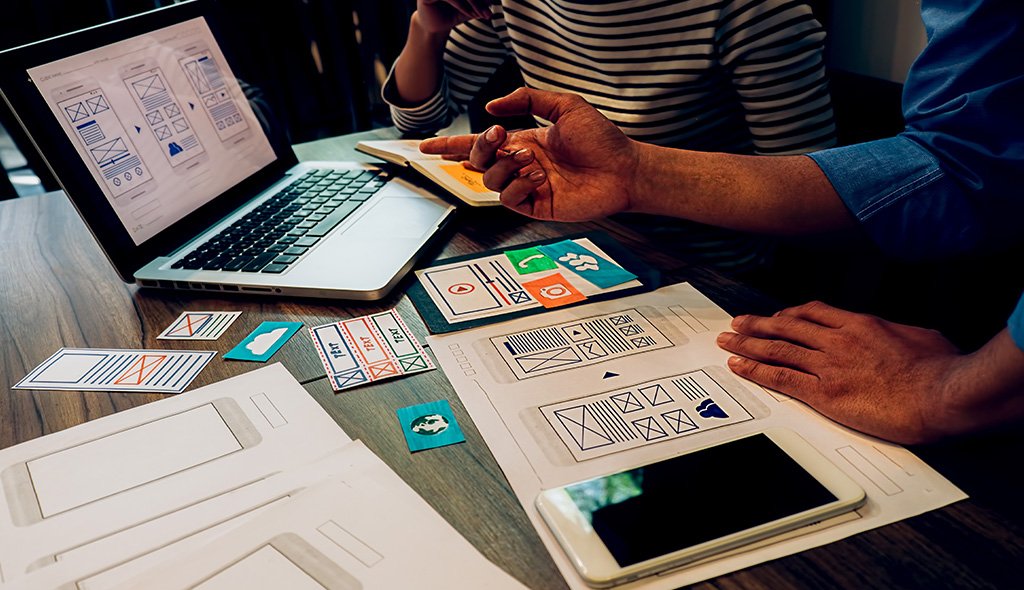
Fitness apps face a brutal retention curve. Most users uninstall within seven days. The ones who stay rarely log workouts past week three. A confusing onboarding question asks for weight before building trust. A workout screen that requires six taps to start burpees gets closed mid-set. A paywall that arrives at the wrong emotional moment kills conversion for a year of marketing work. Weak Fitness App UI UX Design shows up in cold install-to-paid numbers, collapsing day-seven retention, rising customer acquisition cost, and churn conversations that grow harder every quarter. In wellness products, habit loss happens silently, and trust once broken through an awkward moment rarely returns.
Our approach treats the product as a behavior system, not a workout catalog. Before any screen is produced, our team studies how real users train, rest, eat, sleep, and relapse. We interview fitness enthusiasts alongside first-time gym members, shadow personal trainers, review wearable data flows, and map the emotional moments where apps either reinforce habits or lose them. From there we deliver research-backed information architecture, habit-loop-aware interfaces, workout logging flows, subscription paywalls, wearable sync patterns, and component libraries tuned for dense tracking data. As a specialized Fitness App Design Agency, we engineer the moments that decide retention: first session, streak save, plateau recovery, and renewal.
Eighteen years of design work across thirty-plus countries gives our team working fluency in how fitness behavior differs across cultures, age groups, and training philosophies. UX Stalwarts has partnered with early-stage wellness founders launching first cohorts and with established fitness brands modernizing aging mobile products. Our designers read behavioral science research, consult with certified trainers and nutritionists, and speak the vocabulary of HRV, VO2 max, RPE scales, macro tracking, Apple HealthKit, Google Fit, and Garmin Connect. That grounding separates surface polish from a Fitness UI UX Design Company genuinely capable of shifting habit metrics. We commit to the retention or activation number each screen is built to move, and stay accountable until the product proves itself in production.

Generic gamification trains reward-chasing, not real habits. Our discovery starts with applied behavioral science: variable rewards, identity-based habit formation, friction reduction for good behaviors, and friction addition for relapse triggers. Every interaction is chosen with understanding of how habits actually form in adult users.

Fitness apps touch body image, disordered eating, and mental health more often than most teams acknowledge. Our interfaces avoid weight-shaming defaults, remove manipulative streak pressure for vulnerable moments, and build opt-out paths for sensitive content. This protects users and strengthens brand trust in an industry losing both quickly.

Apple HealthKit, Google Fit, Garmin Connect, Whoop, Oura, and Polar each expose different data shapes and sync rhythms. Our designs absorb that variety cleanly so users see one coherent story rather than fragmented data silos, with graceful fallbacks when sensors are missing or data is stale.

Paywalls are not visual decisions. Timing, emotional context, social proof, trial structure, and downgrade paths all shape conversion. Our subscription flows treat the paywall as earned moment rather than ambush, improving install-to-paid rates while keeping refund requests and one-star reviews under control.

Consumer-facing apps get most attention; trainer consoles, coach dashboards, and admin tools get ignored. We design both with equal rigor so personal trainers, studio owners, and wellness coaches actually use the tools you shipped rather than managing clients in WhatsApp and spreadsheets.

Wellness product teams move with seasonal motivation cycles and new-year surges. Our collaboration rhythm matches that cadence through weekly product syncs, shared Figma spaces, written decision logs, and direct designer access. Launch timing respects peak-behavior windows so new features ship when users are ready to adopt them.
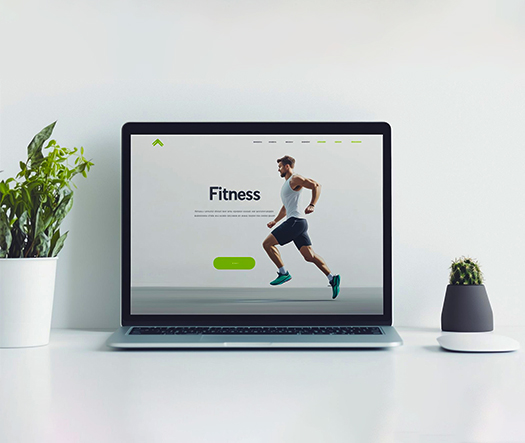
Fitness interfaces carry measurable retention consequences. A cluttered home screen scatters user focus. A workout flow that hides rest timers frustrates serious lifters. A nutrition log demanding precise grams discourages casual users. Strong fitness app ui ux design builds habits that compound: day-seven retention grows, trial-to-paid conversion climbs, streak continuation improves, and user-generated reviews warm organic acquisition. A thoughtful Fitness Product Design Agency understands behavioral psychology, wearable realities, and the quiet moments where a user either presses start or closes the app entirely. Every screen earns its place in the user’s daily rhythm.
Partner with specialists who design fitness products users actually keep.
Every engagement follows a deliberate sequence built to improve habit formation, wearable integration, and subscription retention across the full user lifecycle.

We begin by meeting real users across fitness levels, from beginners intimidated by gyms to advanced athletes with Garmin watches. Interviews, home workout observations, existing app analytics, and churn exit surveys establish the baseline every design decision must eventually improve. Habit loss points get mapped explicitly.

Fitness products succeed when they shape daily rhythms. We design habit loops around each target behavior: cue, routine, reward, identity reinforcement. Notification timing, streak visualization, plateau recovery prompts, and relapse handling patterns are documented as behavior blueprints before any screen is wireframed.

Workout libraries, program structures, and progress hierarchies determine whether users find routines that fit them. We structure exercise taxonomies, program filters, difficulty progression, and session logging flows through tree testing and card sorting. Content density stays readable without overwhelming users who open the app mid-set.

High-fidelity workout screens, nutrition logs, progress dashboards, and wearable sync flows ship alongside a component library tuned for fitness data density. Heart rate zones, rep counters, macro breakdowns, and recovery indicators carry visual weight designed to support mid-session decisions. Accessibility review happens before engineering handoff.

Designs are tested with real users across two-week diary studies, not just one-hour sessions. We observe morning workout friction, late-night logging behavior, and the exact moments when habits break down. Findings drive documented revisions so launch-day product supports behavior rather than interrupting it.

Post-launch, real cohort data guides refinement. Day-seven and day-thirty retention, streak length distribution, paywall conversion, wearable sync health, and churn reasons are monitored against the Phase One baseline. Where gaps emerge, targeted revisions ship in structured sprints so the product keeps earning habit loyalty month after month.
Drawn from over one thousand engagements, these projects reflect measurable outcomes across fitness apps, trainer platforms, and wellness marketplaces worldwide.
Foundational values behind every wellness engagement are behavioral honesty, inclusive design, and retention discipline. Teams evaluating a Fitness App Design Agency or weighing a Health & Fitness App Development Agency engagement compare domain depth against execution speed. From pre-launch wellness founders piloting first cohorts to established gym chains modernizing member apps, our team operates across the maturity spectrum. Design decisions balance immediate user needs against the architecture required for content, coaching, and community growth.
Industry coverage spans strength training, running and endurance, yoga and mindfulness, HIIT and CrossFit, women’s health, sleep and recovery, nutrition tracking, senior fitness, corporate wellness, and trainer marketplaces. Our Workout App Design Agency work extends across consumer apps, B2B coach platforms, and hybrid gym-plus-app hospitality models. That cross-category pattern library sharpens judgment when Custom Fitness App Design or Fitness App Redesign Services engagements demand transferable habit solutions.

Choosing the Best Fitness App Design Company comes down to fit, not reputation alone. UX Stalwarts has been cited in wellness publications, shortlisted for international design awards, and referenced in fitness operator case studies because the output improves real habit formation and retention rather than just refreshing visual style. Three commitments explain why founders and brands pick us.
Habit Science Over Gamification: Real habit design goes beyond streaks and badges, using behavioral science that produces lasting change rather than shallow reward-chasing.
Duty Of Care As Craft: Body image, disordered eating, and mental health touchpoints receive deliberate design attention, protecting users in moments other apps ignore.
Wearable Data Coherence: Multi-device data becomes one honest user story, with graceful degradation when sensors are missing or sync lags behind reality.
Our studio uses category-leading tools selected for collaboration speed, engineering handoff accuracy, and behavioral analytics integration across every End-to-End Fitness App Product Design engagement we run.









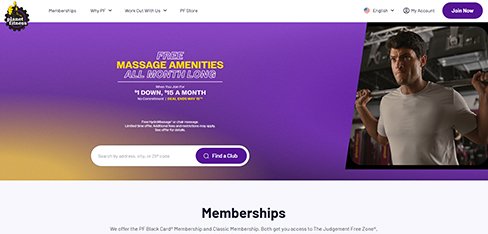
Our app was basically a gym finder. Members had no reason to open it between visits. UX Stalwarts built a fitness companion that makes Planet Fitness part of daily routine. Active users jumping from 24 to 67 percent and retention improving from 58 to 74 percent proved that a well-designed app directly reduces churn.
Our apps were losing users because logging workouts without getting anything back is not compelling. UX Stalwarts redesigned around genuine performance insights and community. Engagement increasing 3.2X and gear purchases rising 22 percent proved that when the app makes athletes better, it naturally drives brand loyalty.
Our connected fitness devices were great hardware with a forgettable app. UX Stalwarts built a companion experience that makes the data from our devices genuinely useful for improving fitness. Active users quadrupling and premium conversion reaching 22 percent proved that the app experience determines whether connected devices become daily habits or drawer clutter.
The questions wellness founders ask before choosing a design partner.
Start with wellness specificity. A generalist studio that has never shipped a workout logger or wearable sync flow will miss where users actually break habit. A proven fitness app design company brings behavioral science fluency, not just clean portfolios. Ask for before-and-after retention numbers rather than aesthetic case studies. Check experience with Apple HealthKit, Google Fit, and wearable APIs your product depends on. Review component libraries designed for tracking data density. A credible Best Fitness App Design Company defends decisions to product, coach operations, and growth marketing leads in one meeting. Teams looking for mobile fitness app ui design Services specifically should verify the studio has shipped production apps, not just concept work. Strong fitness app ui design firms agree.
Pricing for fitness app design varies with scope, content depth, and integration complexity. A focused UX audit or Fitness App UX Optimization Services engagement on an existing product typically starts in the low five figures. A complete Fitness App UI UX Design services engagement covering research, habit architecture, workout flows, subscription paywalls, and wearable sync usually runs mid-five to low-six figures. Enterprise programs involving trainer marketplaces, multi-discipline content libraries, or B2B corporate wellness reach higher. Affordable Fitness App Design Agency engagements structured as focused pilot sprints also exist, designed to prove value on a single high-leverage flow before larger commitment. Variables that move price include wearable integration depth, content volume, and localization scope. Fitness App Design solutions follow similarly.
Timelines depend on scope and content complexity. A targeted audit with prioritized recommendations typically takes three to four weeks. A single-flow redesign like onboarding or workout logging runs six to eight weeks including validation. A complete Fitness Mobile App Design engagement covering discovery, habit architecture, tracking interfaces, subscription flows, and a component library generally runs twelve to twenty weeks. Fitness App Prototyping Services as a standalone engagement often take four to six weeks. Enterprise rebuilds involving trainer platforms, marketplace features, or new platform migrations extend further. We scope in two-week milestones with visible deliverables so your product, coach, and growth teams can evaluate progress continuously across cohort data. Fitness app ui design firms, End-to-End Fitness App Product Design firm.
A structured engagement follows six sequential phases. First, behavior discovery collects user interviews, churn analysis, and wearable data context. Second, habit loop mapping documents behavior blueprints around cue, routine, reward, and identity. Third, workout architecture validates content taxonomy and progression logic through tree testing. Fourth, tracking interface work produces high-fidelity screens and a component library. Fifth, habit validation tests designs through two-week diary studies with real users. Sixth, retention iteration tracks cohort performance and ships refinements. Each phase ends with a signed-off deliverable. This sequencing is why Gym App Design Services and Gym App UI UX Design Company engagements with our team protect timeline integrity and retention outcomes. Fitness app ui ux design services, End-to-End Fitness App Product Design firm.
Three things separate our fitness work. First, behavioral science grounds every decision rather than visual trends; habit loops, identity-based change, and friction architecture are designed intentionally. Second, duty of care. Body image, disordered eating, and mental health moments receive deliberate design attention most studios skip entirely. Third, wearable data coherence. Multi-sensor data becomes one honest story rather than fragmented silos. A proven Workout App Design team carries this discipline into Fitness App Design projects of every scale, giving wellness founders and established brands equal access. Teams shortlisting best fitness app design candidates look for exactly this operational depth rather than portfolio polish alone. Best fitness app design firms and Workout App Design companies share these standards.
Starting is deliberately lightweight. A brief discovery call covers product stage, primary user segments, wearable integrations, known pain points, and desired outcomes. Within five working days you receive a scoped proposal covering phased milestones, deliverable samples, team composition, timeline, and commercial terms. A paid pilot sprint is available for teams wanting to test chemistry before committing to larger work. Most clients move from first conversation to kickoff within two weeks. You can begin with a short enquiry, share product documentation under NDA, or explore related capabilities through our broader UX design services page. Wellness App Design Experts are available for dedicated long-term engagements through ongoing resource arrangements. Wellness App Design Experts and Fitness App Prototyping Services run on this discipline.
Several adjacent capabilities compound the impact of fitness product design. A mature design system accelerates every new feature release and protects consistency across consumer app, trainer console, web, and marketing surfaces. Conversion rate optimization sharpens paywall and onboarding funnel performance through continuous A/B testing. Workout App UI Design Services and Fitness Tracking App UI Design benefit from dedicated usability testing, motion design for rep animations, and accessibility audits for inclusive design. A specialized Wellness App UX Design practice often pairs these services to deliver complete wellness products rather than isolated interfaces. Selection depends on stage; early founders prioritize flows, mature brands gain more from optimization. Workout App Design Agency and Custom Fitness App Design specialists pair these well.
Every engagement is scoped around the specific fitness product, not a template. A strength training app has different needs than a yoga meditation platform. A running tracker requires different hierarchy than a nutrition log. Our Health & Fitness App UI UX work for consumer products differs from Health & Fitness App Development Agency engagements spanning full build. Personal Training App UX Services for trainer marketplaces demand different role separation than B2C consumer apps. Fitness SaaS Design Agency engagements for gym management back-office software require yet another design language. Discovery produces a custom engagement plan accounting for fitness discipline, user segment, wearable ecosystem, and business model. The quality bar stays constant. Health & Fitness App UI UX Agencies handle this similarly.
Yes, and it is usually where meaningful wellness wins show up. After launch, real cohort behavior often differs from research predictions in small but important ways. Fitness App Redesign Services and ongoing optimization retainers cover continuous design iteration, component library expansion, new feature releases, seasonal campaign support around new-year surges, periodic habit studies, and analytics-driven optimization of paywalls and onboarding. Some clients retain the team monthly; others call quarterly for focused sprints on metrics like retention or trial conversion that need to move. Remote validation plays a central role here, covered in our guide to remote usability testing. Gym App Design Services, Fitness App UX Optimization Services, and Affordable Fitness App Design Agency engagements align.
Coverage spans strength training, running and cycling, yoga and mindfulness, HIIT and CrossFit, women’s health, senior fitness, corporate wellness, nutrition tracking, and gym management platforms. Clients range from pre-launch wellness founders to listed fitness groups operating across India, the United States, the United Kingdom, the GCC, and Southeast Asia. A regionally experienced team understands that Indian users value yoga-adjacent content and Hindi or vernacular interfaces, GCC markets prioritize modesty-aware workout imagery, and Western markets expect tighter Apple Health and Google Fit integration. Pattern transfer across categories is deliberate; a proven habit loop in running apps often accelerates meditation app design decisions because behavior psychology repeats. Health & Fitness App UI UX Agencies and Fitness Mobile App Design firms parallel this.
Retention reflects habit architecture, not just feature count. Our method combines four techniques. First, identity-based onboarding. Users commit to becoming the kind of person who trains, not just to completing workouts. Second, honest streaks. We design break recovery rather than punishing users who miss days, because forgiveness retains more users than pressure. Third, plateau detection. When progress stalls, the app shifts tone rather than pretending everything is fine. Fourth, social accountability options without toxic comparison. Fitness UI UX Design Company engagements built on this discipline combined with thoughtful Workout App UI Design Services can lift day-thirty retention by double-digit percentages without increasing content spend. Fitness Mobile App Design firms and Wellness App UX Design companies reinforce this.
Wearable integration makes or breaks credibility with serious users. Apple HealthKit, Google Fit, Garmin Connect, Whoop, Oura, Polar, and Strava each expose different data shapes, permission models, and sync rhythms. Our approach designs for graceful degradation when data is missing, conflict resolution when sources disagree on step counts, and honest staleness indicators when sync lags. Personal Training App UX Services for trainer platforms must also respect client privacy when data flows to coaches. Fitness Tracking App UI Design done well presents wearable data as one coherent story, not ten conflicting widgets, so users trust the numbers they see enough to act on them. Wellness App UX Design companies and Fitness Tracking App UI Design agencies operate similarly.
Fitness products have historically failed broad user groups. Our approach addresses accessibility as design input, not afterthought. Color contrast meets WCAG 2.2 standards for outdoor-light workout screens. Audio cues support visually impaired users. Adaptive content respects disabilities, pregnancy, post-partum recovery, and senior users. Modest imagery options serve users across cultures. Our article on UX accessibility audits covers our broader approach. Inclusive design also means avoiding weight-shaming defaults, binary gender questions, and imagery that excludes bodies over size ten. A Gym App UI UX Design Company committed to genuine inclusion widens total addressable market rather than narrowing it. Fitness Tracking App UI Design agencies, mobile fitness app ui design Services, and Fitness App Design solutions align.
Yes. Fitness design systems carry specific requirements beyond general product systems. Components must handle wearable data widgets, exercise animation cards, rep and set counters, rest timer states, streak visualizations, macro breakdown blocks, subscription tier comparisons, and inclusive imagery options. A Fitness App Design and Development Company building on disciplined systems ships new workout types, programs, and campaigns faster. Our system engagements produce tokenized foundations, a production-ready component library, documented accessibility behavior, and developer handoff kits. For wellness brands with multiple products or white-label strategies, long-term stewardship matters as much as initial build, which we explore in our article on design system governance. Best fitness app design firms and Workout App Design companies follow comparable rigor.
Measurement begins before design. During discovery we capture baselines for flows being redesigned: day-seven retention, day-thirty retention, trial-to-paid conversion, paywall view rate, workout completion rate, wearable sync success, and churn reason categories. After launch the same metrics are re-measured at thirty, sixty, and ninety days. Secondary signals include streak length distribution, session frequency, social feature engagement, and app store rating shifts. Quarterly reviews tie design decisions back to LTV, CAC, and subscription renewal movement. Whether the engagement is Fitness Product Design Agency work for a consumer app or a Fitness SaaS Design Agency project for gym management software, measurement discipline distinguishes cosmetic redesigns from durable behavior change. A capable fitness app design and development company applies the same rigor.

C – 81C, Sector – 8, Noida 201301, India


1025 Beamon Drive, Franklin 37064 Tennessee, USA
Sveavagen 34 111 34 Stockholm, Sweden
A-10, Sahastradhara Rd, Doon IT Park, Dehradun, Uttarakhand

© 2026 UX STALWARTS. All rights reserved.