Hospitality lives and dies on small moments. A guest opens your app at midnight to check room service hours and gets a blank screen. A front desk agent waits nine seconds for a reservation lookup while a tired family stands at the counter. A housekeeping team juggles paper checklists because the digital tool takes too many taps. Weak Hospitality UI UX Design shows up as drop in direct bookings, slower check-ins, negative reviews that bury organic visibility, and staff workarounds that multiply operational cost. In a category where reputation compounds daily across review platforms, a single clumsy interface can undo years of service investment in a single weekend.
Our approach treats the product as an extension of the guest experience itself, not a digital catalog of rooms. Before any screen is produced, our team studies guest journeys across pre-stay research, arrival, in-property engagement, and post-departure advocacy, alongside the operational realities of staff tools, PMS workflows, and revenue management constraints. From there we deliver research-backed information architecture, booking flows, in-stay companion apps, concierge and chat interfaces, staff consoles, and component libraries tuned for multi-property brand systems. As a specialized Hospitality UI UX Design Agency, we engineer the moments that matter: first impression, direct booking, welcome, room request, loyalty reward, and review invitation. Every screen earns its place.
Eighteen years of design work across thirty-plus countries gives our team practical fluency in how guests actually experience hospitality, from boutique properties in the Himalayas to airport business hotels and luxury resorts on the coast. UX Stalwarts has partnered with independent founders launching direct booking brands and with multi-property groups modernizing aging central reservation systems. Our designers read reviews, shadow front desk operations, work alongside revenue teams, and speak the vocabulary of PMS, POS, channel managers, loyalty tiers, OTA parity, and the review platforms that shape modern reputation. That grounding separates surface polish from a Hospitality UX Design Company genuinely capable of improving both guest sentiment and operational efficiency in production.

Hospitality is brand more than function. Every property has a tone, service style, and pace. Our discovery starts by understanding that brand personality through staff interviews, site visits, and review analysis, so the digital product actually sounds like the physical experience guests will walk into.

Most hospitality products design for guests and treat staff tools as an afterthought. We design both with equal rigor. Front desk, housekeeping, and concierge consoles ship with the same craft as the guest booking app, because service quality depends on how easily staff can work.

Reviews shape modern hospitality economics. A cumbersome feedback moment or a buried review invitation leaves revenue on the table. Our designs build review capture into the natural post-stay rhythm rather than awkward pop-ups, protecting reputation while lifting organic visibility across review platforms.

Chains, groups, and collections share one brand but operate many properties. Our design systems scale across properties without collapsing into sameness, giving each hotel room to express personality while preserving brand coherence across booking, loyalty, on-property, and post-stay experiences guests recognize.

The smartphone is now a room key, room service menu, concierge, and remote. Our interfaces treat the in-stay moment as first-class product rather than a checkbox, designing for low-battery scenarios, patchy hotel Wi-Fi, and one-hand use by tired guests.

Hotels run on shifts, seasons, and unpredictable occupancy. Our collaboration rhythm matches operational cadence with weekly product syncs, shared Figma spaces, written decision logs, and direct designer access. Releases get scheduled around low-occupancy windows, so launches never burden staff during peak service.
Hospitality interfaces carry a measurable revenue consequence. A cluttered booking page costs direct reservations to OTA commissions. A clunky in-stay app pushes guests to phone the desk for basic requests. A slow staff console drags down service quality on busy nights. Strong UI UX Design for Hospitality Industry shifts metrics that compound: direct booking share grows, guest satisfaction climbs, staff tool adoption rises, and review sentiment lifts organic search visibility. A thoughtful UX Agency for Hospitality Brands understands guest psychology, service operations, and quiet moments where small friction becomes a one-star review.
Partner with specialists who design hospitality products guests love.
Every engagement follows a deliberate path built to improve guest experience and operational clarity from booking through post-stay advocacy.

We begin by stepping into your property. Site visits, staff interviews, service observation, and review platform audits establish the brand voice and guest sentiment that design must honor. Analytics, booking channel mix, and support channels establish the measurable baseline every design decision must eventually improve.

Hospitality journeys span dreaming, planning, booking, arrival, stay, departure, and memory. Each stage is mapped with emotion, information needs, device context, and staff touchpoints. These maps guide every screen so discovery, booking, in-stay, and post-stay feel like one coherent experience, not disconnected modules.

Hospitality succeeds when front-of-house and back-of-house align. We blueprint service moments, mapping guest interactions against staff actions, system triggers, and dependencies. This prevents decisions that look elegant to guests but create impossible workloads for housekeeping, front desk, or F&B staff.

High-fidelity booking pages, in-stay companion screens, staff consoles, and loyalty dashboards ship alongside a component library tuned for hospitality density. Imagery, price transparency, room descriptions, and service requests carry visual weight designed to move the next tap. Accessibility review happens before engineering handoff.

Designs for front desk, housekeeping, concierge, and food service consoles are tested with real staff during simulated shift conditions. We measure task completion, error frequency under pressure, and single-hand use patterns. Findings drive revisions so launch-day tools support staff rather than slowing service.

Post-launch, real data guides refinement. Direct booking share, satisfaction scores, review sentiment trends, and staff tool adoption are monitored against the Phase One baseline. Where gaps emerge, targeted revisions ship in structured sprints so the product keeps earning guest loyalty and protecting reputation.
Drawn from over one thousand engagements, these projects reflect measurable outcomes across hotel brands, restaurant groups, and resort operators.
Foundational values behind every hospitality engagement are brand fidelity, guest trust, and operational clarity. Teams evaluating a Hospitality Product Design Company or exploring UI UX Design for Hospitality Industry weigh service fluency against execution speed. From boutique operators launching direct booking apps to multi-property groups modernizing legacy PMS interfaces, our team operates across the maturity spectrum. Design decisions balance immediate guest needs against the runway required for loyalty and brand growth.
Industry coverage spans hotels, resorts, restaurants, bars, serviced apartments, wellness and spa, membership clubs, and Travel & Hospitality Marketplace Design projects connecting multiple property types. Exposure to these verticals gives designers a transferable pattern library that sharpens judgment on whether Hospitality Website UX Design feels right or forces guests into workflows that push them toward OTAs.

Choosing the Best Hospitality UX Design Company comes down to fit, not reputation. UX Stalwarts has been cited in hospitality publications, shortlisted for international design awards, and referenced in operator case studies because the output improves direct booking share and guest satisfaction rather than just refreshing visual style. Three commitments explain why operators pick us.
Hospitality Brand Voice Translation: Digital products should feel like the property itself, not a generic booking template, from first impression to post-stay invitation.
Front And Back Parity: Staff tools get the same design rigor as guest interfaces, so service quality actually improves on launch day.
Review-Aware Design Craft: Reputation-shaping moments like feedback capture and post-stay follow-up are designed into natural guest rhythms, not bolted on.
Our studio uses category-leading tools selected for collaboration speed, engineering handoff accuracy, and analytics integration across every Hospitality SaaS UX Design Services engagement we deliver.









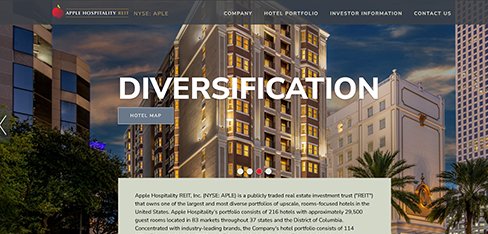
As a REIT, we own the properties but our guests knew the brand, not us. UX Stalwarts designed a guest app that creates a direct relationship with our properties. Direct booking revenue jumping 54 percent and pre-arrival upsells generating $2.8 million annually proved that a property-level digital experience delivers measurable NOI improvement.
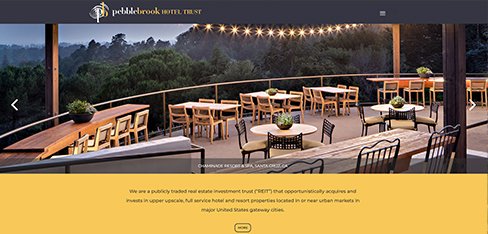
Our hotels are individually stunning but our websites made them look interchangeable. UX Stalwarts designed bespoke digital experiences that tell each property’s story. Suite bookings increasing 43 percent proved that when you present premium rooms as experiences rather than price points, guests are willing to upgrade.
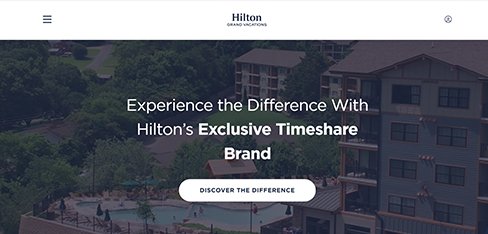
Our resorts offered incredible experiences but guests were discovering half of them on their last day. UX Stalwarts designed a platform that puts every activity at guests’ fingertips from the moment they book. Ancillary revenue increasing 31 percent per guest proved that making resort experiences easy to discover and book directly drives wallet share.
The answers operators seek before selecting a hospitality design partner.
Start with service specificity. A generalist studio that has never shipped a reservation system or in-stay companion app will miss where guests drop off between booking and arrival. A proven Hospitality UI UX Design Agency brings both guest-facing and staff-facing experience across the operational stack. Ask for before-and-after direct booking share numbers rather than aesthetic case studies. Check that the agency understands your PMS, POS, and channel manager integrations. Review component libraries designed for multi-property brand systems. A credible Best Hospitality UX Design Company defends decisions to revenue management, operations, and marketing leads in one meeting. Portfolios alone never reveal whether staff tools actually got shipped to the floor. Apply this checklist when evaluating any Hospitality Website UX Design Agency or scoping Hospitality UI UX Design Services.
Pricing varies with scope, property count, and operational complexity. A focused Hospitality App UX Audit Services engagement on an existing product typically starts in the low five figures. A full Hospitality UI UX Design engagement covering research, guest journey, booking, in-stay, staff consoles, and a component library usually runs mid-five to low-six figures. Multi-property enterprise programs or brand-wide rollouts reach higher. Hospitality UX Research Services can be scoped as a standalone sprint for operators wanting evidence before committing to redesign investment. Variables that move price include property count, integration depth with PMS and POS, localization scope, and post-launch support commitment. Transparent scoping prevents commercial surprises during execution. Operators comparing pricing across the best hospitality app design Company shortlists benefit from this transparency.
Timelines depend on scope and operational complexity. A targeted audit with prioritized recommendations typically takes three to four weeks. A single-flow redesign like direct booking or in-stay companion runs six to eight weeks including validation. A complete Hospitality UI UX Design engagement covering discovery, guest arc, service blueprint, staff consoles, and a component library generally runs twelve to twenty weeks. Hospitality Web App Prototyping as a standalone engagement often takes four to six weeks. Enterprise rebuilds involving multi-property rollouts or CRM integration extend further. We scope in two-week milestones with visible deliverables so your operations, marketing, and revenue teams can evaluate progress continuously. Reputable Hospitality UI UX Design firms commit to milestone visibility from week one.
A structured engagement follows six sequential phases. First, brand immersion captures service style, voice, and review sentiment through site visits and staff interviews. Second, guest arc mapping documents dreaming through memory moments. Third, service blueprint aligns guest-facing screens with back-of-house staff workflows. Fourth, experience interface work produces high-fidelity screens and a component library. Hospitality Web App Prototyping often sits in phases three and four. Fifth, staff workflow validation tests consoles under simulated shift conditions. Sixth, reputation iteration tracks post-launch performance across direct bookings, review sentiment, and staff adoption. Each phase ends with a signed-off deliverable. This is why Hospitality Mobile App UI Design and hospitality mobile app design projects hit operational timelines. Mature hospitality mobile app design Services follow this same six-phase rhythm.
Three things separate our hospitality work. First, brand voice fluency. Hospitality products must sound like the property itself, so discovery starts with site visits and review analysis rather than brand brief PDFs. Second, guest and staff parity. Most studios polish guest screens and treat staff consoles as filler; we design both with equal rigor, which is why best hospitality app designs consistently include well-designed back-of-house tools. Third, review-era discipline. Feedback capture and post-stay follow-up are built into natural rhythms rather than bolted on. Operators evaluating the Best Hospitality UX Design Company look for this operational depth, often starting with our Hospitality App UX Audit Services before bigger commitments. Hospitality UI UX Design solutions built on this discipline outperform cosmetic refreshes consistently.
Starting is deliberately lightweight. A brief discovery call covers property stage, primary guest segments, property management stack, known pain points, and desired outcomes. Within five working days you receive a scoped proposal covering phased milestones, deliverable samples, team composition, timeline, and commercial terms. A paid pilot sprint or focused Hospitality UX Research Services engagement is available for teams wanting to test chemistry or gather evidence before committing. Most clients move from first conversation to kickoff within two weeks. You can begin with a short enquiry, share property documentation under NDA, or explore related capabilities through our broader UX design services page. Operators needing to Hire Hospitality UI UX Designer support on a dedicated basis can also discuss ongoing arrangements. Most Hospitality UI UX Design companies make onboarding harder than it needs to be.
Several adjacent capabilities compound the impact of hospitality product design. A mature design system accelerates every new feature release and protects consistency across booking web, mobile, staff consoles, and marketing surfaces. Conversion rate optimization sharpens funnel performance through continuous A/B testing on direct booking and ancillary flows. Hospitality Website UX Optimization Services benefit from dedicated usability testing, motion design for micro-interactions, and accessibility audits for regional compliance. A specialized UX Agency for Hospitality Brands often pairs these services to ship complete products rather than isolated interfaces. Selection depends on stage; early operators prioritize flows, while mature groups gain more from optimization. A focused Hospitality Digital Experience Design Company will recommend the right pairing for your stage.
Every engagement is scoped around the specific hospitality product, not a template. A boutique hotel direct booking site has different needs than an enterprise restaurant reservation platform. A luxury resort in-stay app requires different hierarchy than a serviced apartment self-check-in flow. Our End-to-End Hospitality Product Design work for integrated brand ecosystems differs from standalone Hospitality Mobile App UI Design engagements. Travel & Hospitality Marketplace Design projects combining flight, hotel, and activity bookings demand another design language. Any UX Agency for Hospitality Brands claiming service fluency should demonstrate it on your actual category rather than showing unrelated case studies. Discovery produces a custom engagement plan accounting for brand positioning, property type, and guest segment. Travel & Hospitality Marketplace Design Firms apply specialized patterns for multi-vendor inventory.
Yes, and it is usually where meaningful hospitality wins happen. After launch, real guest and staff behavior often differs from research predictions in small but important ways. Retainer options cover ongoing design iteration, component library expansion, seasonal campaign support, periodic usability studies, and analytics-driven optimization of booking and in-stay flows. Teams can also Hire Hospitality UI UX Designer resources on a monthly basis as part of a larger product program. End-to-End Hospitality Product Design partnerships often extend through multi-season roadmaps. A Hospitality Product Design Company partner keeps that rhythm consistent through peak occupancy, seasonal menu changes, and loyalty program updates. Remote validation plays a central role, covered in our guide to remote usability testing. Ongoing Hospitality CRM UX Design Agency support pairs naturally with retainer arrangements.
Our Hospitality UX Design Company coverage spans hotels and resorts, restaurants and bars, serviced apartments, vacation rentals, wellness and spa, boutique experiences, membership clubs, and event venues. Clients range from pre-launch founders to listed hospitality groups operating across India, the United States, the United Kingdom, the GCC, and Southeast Asia. A regionally experienced team understands that Indian hotels value WhatsApp-integrated concierge, GCC resorts expect multilingual Arabic interfaces, and European serviced apartments prioritize self-check-in flows. Pattern transfer across categories is deliberate; a proven restaurant ordering flow often accelerates hotel room service design decisions because scan behavior and decision psychology repeat across adjacent hospitality contexts. Established Hospitality UI UX Design firms transfer category insight across regions efficiently.
Direct booking share grows when friction disappears and trust signals arrive at the right moment. Our method combines four techniques. First, first-impression loading speed. Three-second load times destroy conversion regardless of visual quality. Second, rate parity transparency. Guests should see genuine value comparing direct versus OTA prices. Third, progressive booking flows that reduce fields to essentials and add optional upsells only after core commitment. Fourth, loyalty incentive visibility at decision moments rather than buried in footer links. Hospitality Website UX Optimization Services and the best hospitality app designs built on this discipline can shift booking channel mix by double-digit percentages without changing rate cards. Engaging the best hospitality app design Company often pays back within one peak season.
Mobile shapes most in-stay interactions today. Guests unlock rooms, order food, book spa, request service, and navigate properties through their phones. Hospitality Mobile App UI Design must respect tired late-night hands, weak hotel Wi-Fi, international roaming limits, and low battery moments. Our in-stay companion apps prioritize single-hand reachability, offline resilience for room keys and itineraries, platform-native payments like Apple Pay and Google Pay, and push notifications that genuinely help rather than interrupt. Hospitality Digital Experience Design at its best blurs the line between physical and digital service, so guests feel cared for rather than processed by a digital product that looks polished but behaves awkwardly. Strong hospitality mobile app design Services and a Hospitality Digital Experience Design Company mindset make this work.
Cross-border hospitality demands more than translated copy. Currency display, address formats, cultural service norms, tipping expectations, and language preferences vary by market. Hospitality Digital Experience Design for global operators builds flexible templates that localize content, pricing, and legal disclosures while preserving brand coherence. Right-to-left layouts for Gulf markets, localized date and time formats, and multi-script rendering are designed in rather than added later. A hospitality mobile app design that plans for international expansion from day one scales faster than retrofitted localization. Our article on multi-language interface design for global platforms covers the broader approach we apply. Travel & Hospitality Marketplace Design Firms and Hospitality UI UX Design solutions made for global rollouts handle this well.
Yes. Hospitality design systems carry specific requirements beyond general product systems. Components must handle multi-currency pricing, rate plan variations, room category cards, amenity badges, loyalty tier states, seasonal promotional blocks, and regulatory disclosures. A Hospitality UI UX Design Agency building on disciplined systems ships new properties, campaigns, and ancillary products faster. Our system engagements produce tokenized foundations, a production-ready component library, documented accessibility behavior, and developer handoff kits. Hospitality CRM UX Design work benefits equally from these system foundations. For multi-property groups, long-term stewardship matters as much as the initial build, which we explore in our article on design system governance. This is where Hospitality UI UX Design Services intersect with Hospitality CRM UX Design Agency capabilities.
Measurement begins before design. During discovery we capture baselines for flows being redesigned: direct booking share, average daily rate impact, abandoned cart rate, in-stay service request volume, review sentiment, guest satisfaction scores, and staff tool adoption. After launch the same metrics are re-measured at thirty, sixty, and ninety days. Secondary signals include loyalty enrollment, ancillary attach rate, and support ticket categories. Quarterly reviews tie design decisions back to revenue, cost, and reputation movement. Whether the project is a Hospitality CRM UX Design engagement for loyalty operations or a Hospitality SaaS UX Design Services build for operators, measurement discipline separates cosmetic redesigns from durable outcomes. A capable Hospitality Website UX Design Agency and disciplined Hospitality UI UX Design companies build measurement in from day one.

C – 81C, Sector – 8, Noida 201301, India


1025 Beamon Drive, Franklin 37064 Tennessee, USA
Sveavagen 34 111 34 Stockholm, Sweden
A-10, Sahastradhara Rd, Doon IT Park, Dehradun, Uttarakhand

© 2026 UX STALWARTS. All rights reserved.