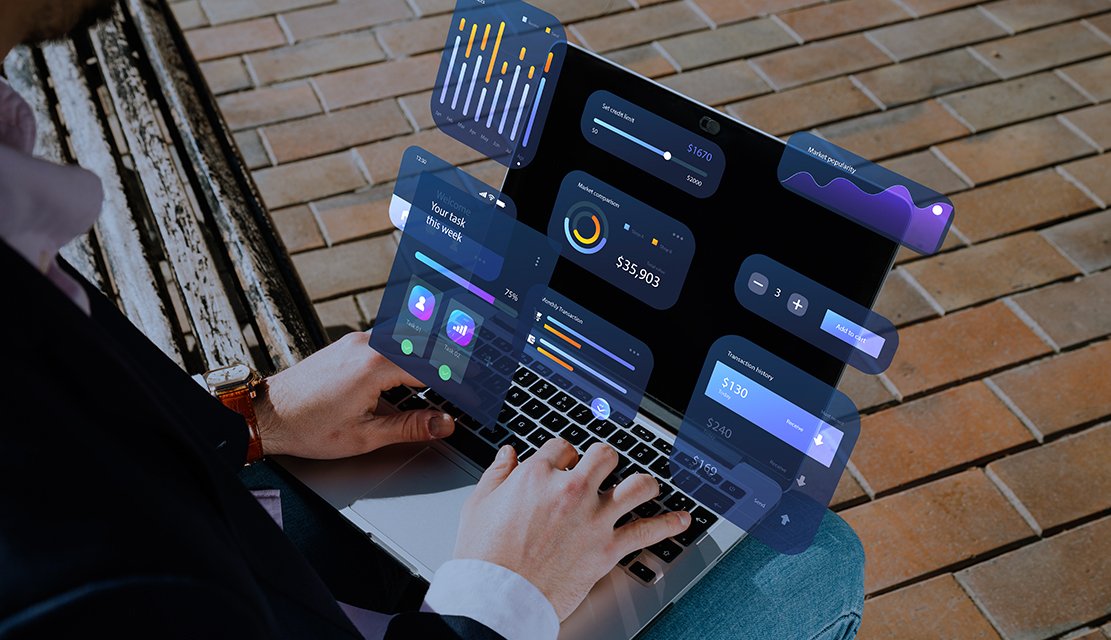
Shopify powers millions of online stores, yet most of them lose revenue to avoidable experience problems. Confusing product pages, cluttered collection layouts, sluggish load times, and multi-step checkouts drive shoppers to competitors before they ever reach the payment screen. For growing e-commerce brands, these friction points compound quickly. Each abandoned cart, each bounced session, and each customer who cannot find the right product represents measurable lost revenue. Without a deliberate approach to shopify user experience design, even high-traffic stores struggle to convert browsers into buyers.
Our shopify ux design services address these revenue leaks through a data-driven methodology built specifically for e-commerce. Beginning with behavioral analysis and store-level audits, we map the ecommerce customer journey from first impression through post-purchase interactions. Every recommendation targets a specific conversion barrier, whether that means restructuring collection page navigation, optimizing product detail layouts, simplifying checkout flows, or improving mobile shopping performance. The outcome is a Shopify store where each page element has a defined purpose: to reduce hesitation, build trust, and accelerate purchasing decisions.
With eighteen years of cross-industry design experience spanning fashion, health and wellness, consumer electronics, SaaS, and B2B wholesale, UX Stalwarts brings e-commerce expertise that platform-only agencies rarely possess. Our team has optimized Shopify stores for brands at every growth stage, from first-launch D2C startups to established enterprises running Shopify Plus with complex multi-currency operations. We do not apply generic templates. Every engagement is shaped by your product catalog, your customer segments, and the specific behavioral patterns we observe in your store analytics.

Every engagement starts with a thorough ux audit for shopify store performance that connects usability findings directly to revenue impact. We do not list cosmetic issues. We identify the exact friction points causing cart abandonment, product page drop-offs, and checkout failures, then prioritize fixes by their projected financial return for your business.

Most agencies focus on homepage and product pages. Our ecommerce ux shopify methodology covers the entire purchase funnel, including search behavior, collection filtering, product comparison, cart interactions, checkout completion, order confirmation, and post-purchase touchpoints like account dashboards, returns flows, and subscription management.

Our designers understand Shopify at a technical level, including Liquid templating, theme architecture, Checkout Extensibility, app ecosystems, and Shopify Plus capabilities. This means every UX recommendation is technically implementable within your Shopify environment, avoiding impractical proposals that would require costly workarounds or platform migration.

We validate every design decision with real shopper data. Heatmaps, session recordings, funnel analytics, and A/B testing inform our shopify ux optimization work from start to finish. This eliminates subjective design debates and ensures that each change we recommend produces measurable improvements in the metrics your leadership team tracks most closely.

Having designed for regulated industries, subscription models, high-consideration purchases, and impulse-buy categories, we bring pattern recognition that single-niche Shopify agencies lack. Techniques that reduce returns in apparel often improve product confidence in electronics. Approaches that work in wellness frequently unlock gains in home goods.

We operate as a strategic extension of your team, not a siloed vendor. Our shopify ux services engagement model includes documented design rationale, implementation guidelines, and team training so your internal staff can maintain, iterate, and evolve the improvements independently. Long-term capability building is part of every project scope.
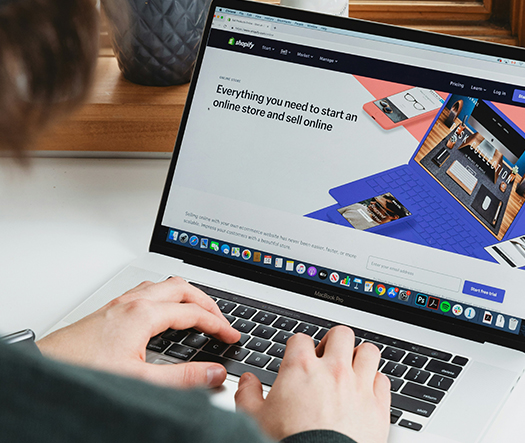
Effective ecommerce ux design for shopify goes beyond visual polish. It directly impacts average order value, customer lifetime value, and the cost of acquiring each new buyer. When your shopify store usability is optimized, shoppers find products faster, trust your brand sooner, and complete purchases with fewer hesitations. Navigation that anticipates intent reduces bounce rates. Product pages that answer objections in the right sequence increase add-to-cart rates. Checkout flows that minimize cognitive effort lower abandonment. Our team brings the rare combination of deep UX research capability and hands-on Shopify platform expertise required to deliver these compounding gains.
Collaborate with specialists who understand how Shopify shoppers actually decide.
Our structured six-phase process ensures that every ux design for shopify decision is grounded in evidence, aligned with goals, and built to scale.

We begin by learning your brand, product catalog, customer segments, and commercial objectives. This phase includes stakeholder interviews, analytics deep-dives, and competitive store benchmarking to define baseline performance metrics. By the end of immersion, we have a precise understanding of what success looks like and where the highest-impact UX opportunities sit.

Our shopify ux audit services combine heuristic evaluation with quantitative behavioral analysis. We review every stage of the ecommerce customer journey, including homepage entry, search interactions, collection browsing, product evaluation, cart behavior, checkout completion, and post-purchase flows. Each finding is scored by severity and estimated revenue impact, producing a prioritized action plan.

Using audit findings, we develop a UX strategy document that defines layout changes, navigation restructuring, content hierarchy adjustments, and conversion path optimizations tailored to your Shopify store. This blueprint is collaboratively reviewed with your team to confirm alignment between design goals, technical feasibility within your Shopify configuration, and broader business priorities.

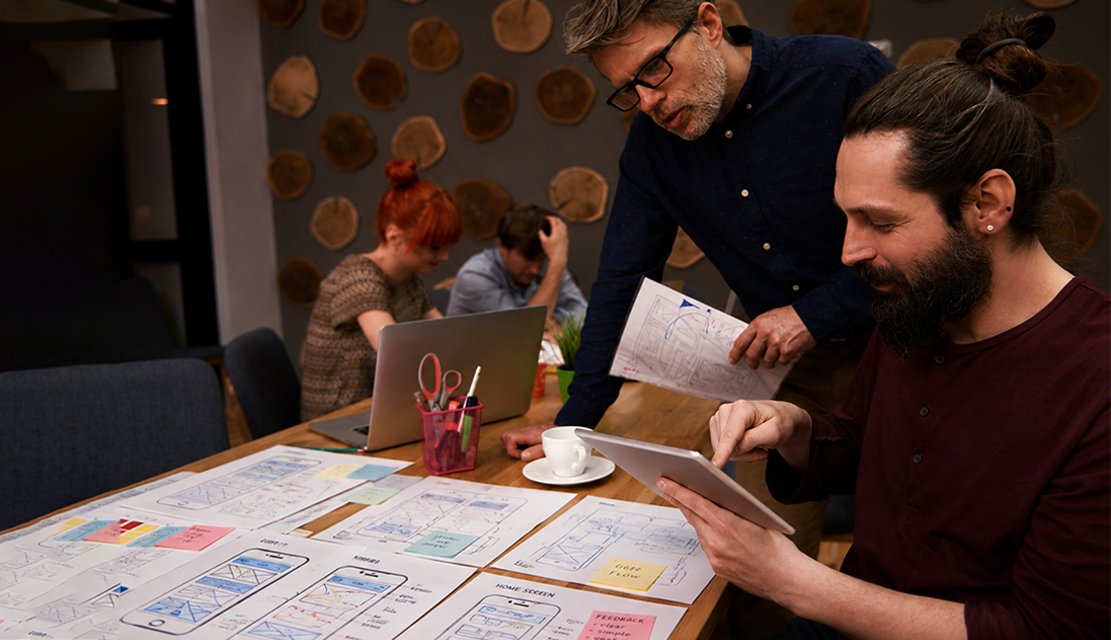
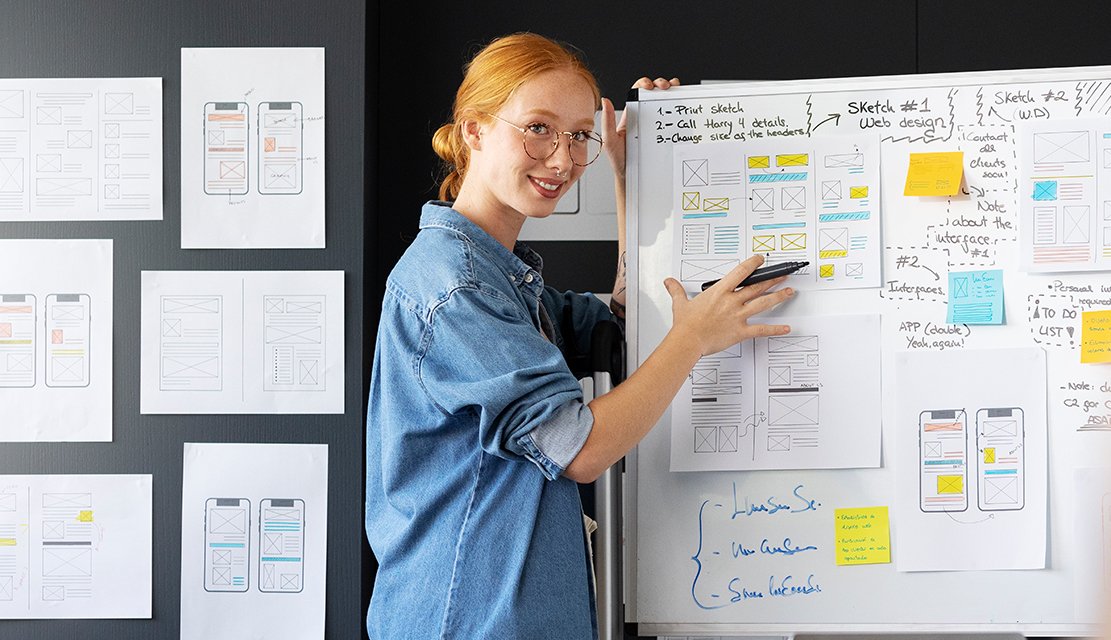
Our designers create wireframes and high-fidelity prototypes in Figma that translate the UX strategy into tangible, testable Shopify layouts. Designs account for your existing theme structure, app dependencies, and checkout customization options so that the handoff from concept to development remains efficient and technically grounded throughout implementation.

Before code changes go live, we run usability tests with recruited shoppers matching your target audience profiles. This validation catches issues that internal reviews miss and provides documented evidence that the proposed experience outperforms the current one. Only designs that pass testing criteria move forward to development, reducing risk significantly.

After launch, we monitor shopper behavior through analytics, session recordings, and funnel reports to verify that improvements deliver projected results. Shopify user experience optimization continues through iterative A/B tests and refinements based on live data. This phase ensures that gains compound over time rather than eroding as traffic patterns shift.
Across 1,000+ client engagements spanning fashion, wellness, electronics, and B2B wholesale, our Shopify UX work has delivered measurable conversion and revenue lifts.
Our approach to shopify ui ux design is grounded in principles of commercial performance, shopper psychology, and scalable implementation. Whether you are a D2C brand launching your first Shopify store or an enterprise managing a multi-region Shopify Plus operation with thousands of SKUs, we calibrate our UX methodology to match your catalog complexity, fulfillment model, and growth ambitions. Every solution is designed for measurable impact at your current scale.
Our team has delivered ecommerce ux shopify projects across fashion and apparel, health and beauty, consumer electronics, food and beverage, home furnishings, sporting goods, B2B wholesale, and subscription commerce. This multi-vertical experience means we understand how different product types, price points, and buyer motivations shape the way shoppers navigate, evaluate, and purchase within Shopify stores, creating stronger outcomes regardless of category.

Our reputation as a best shopify ux design agency is built on consistent delivery of outcomes that brands can measure in their revenue dashboards. Industry recognition and long-standing client partnerships reflect a depth of e-commerce design rigor that extends far beyond surface-level theme customization. Three capabilities define our competitive advantage.
Commerce-Specific UX Research: We evaluate Shopify stores against 100+ e-commerce usability parameters, blending heuristic review with live shopper testing that generic UX firms skip.
Full Purchase Journey Mapping: Our user interface shopify work maps and optimizes every touchpoint from first ad click through repeat purchase, covering stages most agencies leave unexamined.
Platform-Integrated Recommendations: Every UX proposal accounts for Shopify Liquid constraints, app performance overhead, and checkout extensibility options to ensure practical, cost-effective implementation.
We leverage industry-leading research, design, analytics, and testing platforms to ensure that every facet of your Shopify store experience is measured, validated, and refined with precision.









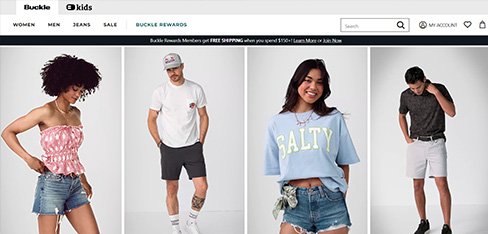
Wrangler and Lee are iconic American brands but our Shopify stores looked like any generic denim retailer. UX Stalwarts designed distinct brand experiences with fit technology that actually helps people find the right jeans. Conversion improving 68 percent and fit returns dropping nearly half proved that Shopify stores can deliver premium brand experiences with the right UX investment.
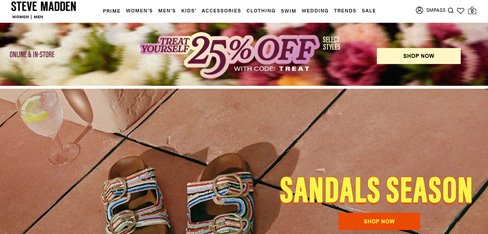
Steve Madden is about being first to trends but our Shopify store felt like every other shoe retailer. UX Stalwarts designed an experience as fashion-forward as our products with occasion-based shopping and social proof integration. Reaching $180 million in DTC while growth accelerated from 6 to 28 percent proved that Shopify can power premium fashion when the UX matches the brand.
Selling $500 jewelry online without the ability to try it on or see financing options was limiting our digital potential. UX Stalwarts designed AR try-on and early financing integration on Shopify that recreates the in-store consultative experience. AOV jumping 42 percent and AR users converting 2.2X higher proved that high-value purchases can thrive on Shopify with the right experience design.
Answers to the questions e-commerce teams ask before investing in Shopify UX.
Look for an agency that demonstrates both deep Shopify platform knowledge and proven UX research methodology. The best shopify ux design agency will show case studies with measurable conversion improvements, not just visual before-and-after screenshots. Ask whether their team understands Liquid templating, Checkout Extensibility, and app performance trade-offs alongside core UX principles. Evaluate their process for evidence of behavioral data usage, usability testing with real shoppers, and post-launch optimization. Pricing transparency, a documented methodology, and the ability to work collaboratively with your existing development team are also reliable indicators of the right partner fit. Selecting the right shopify ux design Company starts with verifying their evidence base, not their portfolio polish, and the strongest shopify ui/ux design company partners can show you the raw analytics behind every recommendation they make.
Shopify ux audit services pricing depends on store complexity, catalog size, and the depth of analysis required. A focused UX review for a small Shopify store with under 500 SKUs might range from $1,500 to $4,000. A comprehensive audit covering homepage, collections, product pages, search, checkout, and mobile experience for a mid-size store could range from $5,000 to $15,000. Enterprise Shopify Plus stores with multi-currency, subscription, or B2B wholesale configurations may require $15,000 to $30,000 or more. Each audit includes a prioritized findings report with estimated revenue impact per fix, so your team can evaluate ROI before implementation begins. Among shopify ui ux design firms, transparent pricing is the norm, and established shopify ux design firms in india typically publish rate cards aligned to store scale and complexity.
Timelines depend on project scope and your store’s current state. A targeted ux audit for shopify store performance with actionable recommendations typically takes two to four weeks. A full shopify ux redesign that includes discovery, research, prototyping, testing, and phased implementation usually spans ten to eighteen weeks. Stores with complex app integrations, custom checkout flows, or multi-market configurations may require additional time. Building adequate weeks for shopper testing and iterative refinement is critical, because skipping validation phases often results in post-launch corrections that cost more than the original testing would have. Mature shopify ux design companies share realistic schedules upfront, and shopify ux design solutions tied to clear milestones reduce surprises during execution.
A thorough ecommerce usability audit for Shopify evaluates every element that influences shopper behavior and purchase decisions. This includes homepage messaging clarity, navigation menu structure, collection page filtering and sorting, product page layout and content hierarchy, image quality and zoom functionality, cart interaction patterns, checkout flow length and friction, mobile responsiveness, page load performance, search functionality, trust signal placement, and post-purchase experiences like order tracking and returns. The deliverable is a prioritized report mapping each issue to its estimated revenue impact, giving your team a clear investment roadmap. Learn more about how usability testing supports these findings with real-user evidence. A seasoned ux designer for shopify reviews quantitative signals alongside qualitative friction notes, and Shopify UX Design Experts compile findings into a single prioritized roadmap for your team.
A visual redesign updates colors, typography, imagery, and branding elements. Shopify ux optimization, by contrast, is driven by shopper behavior data and conversion analysis. It addresses how visitors navigate your store, where they hesitate, and what specific barriers prevent them from completing purchases. Optimization may involve restructuring collection page filters, repositioning add-to-cart buttons based on scroll depth data, simplifying checkout fields, or adjusting mobile touch targets. The goal is a measured improvement in conversion rate, average order value, and customer retention, not simply a refreshed aesthetic that may or may not affect revenue. Genuine shopify ux/ui design Solutions are built on behavioral evidence, and shopify ux/ui design experts validate each proposed change through controlled testing before rollout.
Yes, and frequently that approach delivers faster results at lower cost. Targeted shopify user experience optimization identifies the highest-impact friction points and resolves them within your existing Shopify theme. This might involve restructuring navigation menus, redesigning product pages for clarity, optimizing collection filtering, streamlining checkout steps, or improving mobile layouts on critical pages. These focused interventions often produce significant conversion gains without the time, expense, and SEO risk of a complete theme migration, while preserving the organic search equity your store has already built over time. Targeted Shopify User Experience Services isolate the highest-impact issues quickly, and Shopify UX/UI Design Services scoped this way deliver measurable lift without requiring a full theme rebuild.
Effective shopify ux design starts with clear, thumb-friendly mobile navigation since the majority of e-commerce traffic now originates from smartphones. Product pages should present essential information, including price, availability, shipping details, and return policy, above the fold without requiring excessive scrolling. Collection pages need functional filtering that matches how your specific shoppers think about products. Checkout flows should minimize required fields and offer guest checkout options. Site speed should target sub-three-second load times on mobile. Search should include autocomplete, spell correction, and visual results. Trust signals like reviews, secure payment badges, and clear return policies should appear at every decision point. Brands ready to Hire Shopify UX Designer talent should expect documented best-practice checklists, and a strong Shopify UI/UX Design Agency codifies these into a reusable playbook tailored to your catalog.
High-consideration purchases require a fundamentally different ecommerce ux design for shopify approach than impulse-buy categories. Shoppers researching expensive or technically complex products need comparison tools, detailed specification displays, contextual sizing or fit guides, and prominent social proof positioned at key decision moments. Our process begins by mapping the research and evaluation stages these buyers go through, then designing page layouts and content flows that address each stage systematically. We also build in mechanisms for returning visitors, since high-consideration purchases often span multiple sessions before conversion. Custom Shopify UX Design firms typically build modular comparison and configuration components, and a capable Shopify Website UX Design Agency pairs them with progressive disclosure patterns for complex catalogs.
Cart abandonment is one of the clearest indicators of shopify store usability problems. Common causes include unexpected shipping costs revealed too late, mandatory account creation, excessive checkout fields, confusing coupon code interactions, and slow-loading payment pages. Our approach addresses each of these through transparent pricing displays early in the journey, streamlined guest checkout options, field reduction based on completion rate data, and optimized payment page performance. Post-cart interventions like exit-intent prompts and abandoned cart email sequences also benefit from UX-informed design to maximize recovery rates and minimize shopper frustration. Engaging shopify ui/ux design services in india gives growing brands access to senior UX talent at sustainable rates, and a Hire Shopify UX Design Agency engagement often begins with cart funnel diagnostics.
Yes. Shopify Plus stores present unique UX opportunities around Checkout Extensibility, custom scripts, multi-currency experiences, and wholesale channel configurations. Our shopify ux design services extend to headless implementations using Hydrogen or custom storefronts built on Shopify APIs, where front-end UX decisions are decoupled from the commerce backend. For both standard and headless architectures, we apply the same evidence-based methodology, with additional focus on the performance, personalization, and scalability advantages that Shopify Plus and headless approaches unlock for growing brands. Our shopify ux ui design Services for headless storefronts cover Hydrogen, custom Next.js builds, and BFF architectures, and a trusted shopify ux design Company will document each platform decision clearly.
We establish baseline metrics during the audit phase and define agreed-upon KPIs with your team before design work begins. Common metrics for measuring shopify ux services impact include conversion rate by traffic source, add-to-cart rate, checkout completion rate, cart abandonment rate, average order value, pages per session, mobile versus desktop conversion parity, and customer return rate. Post-launch, we monitor these through Shopify Analytics and GA4, running comparison analyses against pre-optimization baselines. For stores running A/B tests, we provide statistical confidence reporting to verify that observed improvements are genuine rather than seasonal variance. Leading shopify ui ux design firms share live dashboards weekly, and shopify ux design companies that publish measurement frameworks earn faster stakeholder buy-in across leadership teams.
Absolutely. Many of our engagements follow a collaborative model where we provide UX strategy, Figma prototypes, and validated design specifications while your internal Shopify developers handle theme implementation. We deliver annotated design files with interaction notes, responsive breakpoint specifications, and Liquid-aware component guidance that translates clearly for Shopify development workflows. This model works particularly well for brands with established development teams who need specialized e-commerce UX expertise to direct their build efforts. We also conduct post-implementation reviews to verify design fidelity across devices. Our shopify ux design solutions team ships annotated Figma files alongside developer handoff sessions, and a senior ux designer for shopify joins each weekly sync to resolve edge cases.
A shopify ui ux design agency combines e-commerce research methodology with interface design expertise specifically calibrated for Shopify’s platform constraints. General Shopify development shops typically start with a theme and customize it visually, without conducting shopper behavior analysis, usability testing, or conversion funnel optimization. A specialized agency brings structured UX audit processes, behavioral data interpretation, and evidence-based design decisions that general developers rarely offer. For brands serious about maximizing revenue per visitor, working with a team that integrates research, design, and Shopify platform knowledge produces fundamentally different results. Explore how heuristic evaluation complements Shopify UX audits. Recognized Shopify UX Design Experts treat research as a first-class deliverable, and a reputable shopify ui/ux design company team reflects that priority across every engagement.
The top ecommerce ux service providers treat mobile as the primary design surface, not a responsive afterthought. This means designing thumb-friendly navigation that works for one-handed shopping, ensuring product images load instantly through lazy loading and WebP optimization, sizing tap targets for real fingers rather than mouse cursors, implementing sticky add-to-cart bars that remain accessible during scrolling, and creating checkout flows that require minimal typing on mobile keyboards. We test mobile experiences on physical devices across iOS and Android, not just browser simulations, because rendering differences between platforms significantly affect shopper behavior and completion rates. Comprehensive shopify ux/ui design Solutions rely on real-device labs, shopify ux/ui design experts validate findings across iOS and Android, and shopify ux design firms in india have built efficient remote testing pipelines that serve global brands.
Shopify UX improvements generate the strongest returns when paired with complementary disciplines. Our conversion rate optimization practice extends UX findings into structured A/B testing and revenue experimentation programs. Wireframing services provide the structural foundation for complex Shopify store architectures before visual design begins. For stores needing deeper research, our user experience research capabilities include shopper interviews, card sorting for navigation design, and task-based usability testing. Visual design, accessibility auditing, and design system development are also available to extend core UX improvements across your full digital commerce ecosystem. Mature Shopify User Experience Services pair UX work with research and CRO, while Shopify UX/UI Design Services frequently extend into visual design and accessibility auditing for full ecosystem coverage.
Begin by defining what success looks like for your store, then evaluate each candidate against that scorecard. When you Hire Shopify UX Designer talent, request portfolio links with measurable conversion outcomes rather than aesthetic showcases alone. A trusted Shopify UI/UX Design Agency will offer transparent methodology documentation and clear post-launch support terms. Custom Shopify UX Design firms suit brands needing bespoke component systems for unusual catalogs, while a Shopify Website UX Design Agency excels at site-wide architecture and navigation. Brands exploring shopify ui/ux design services in india gain cost-effective access to senior practitioners without compromising on rigor. A Hire Shopify UX Design Agency engagement should begin with discovery, and shopify ux ui design Services tied to clear KPIs deliver the strongest long-term return.

C – 81C, Sector – 8, Noida 201301, India


1025 Beamon Drive, Franklin 37064 Tennessee, USA
Sveavagen 34 111 34 Stockholm, Sweden
A-10, Sahastradhara Rd, Doon IT Park, Dehradun, Uttarakhand

© 2026 UX STALWARTS. All rights reserved.