Products grow faster than design teams can govern. New screens multiply, developers interpret components independently, and visual inconsistencies compound across platforms until the product feels like a patchwork of decisions made by different people at different times. Color values drift, spacing increments vary, and button styles fragment across features. These inconsistencies erode user trust, inflate development hours, and make every redesign feel like starting from scratch. Design system creation solves this problem at its root by establishing a single source of truth for every visual element, interaction pattern, and component behavior that exists across a product or product portfolio.
UX Stalwarts delivers custom design system services that give product organizations a governed, scalable foundation for consistent design and development. Each engagement produces a complete ui design system including design tokens, a component library, pattern documentation, usage guidelines, and governance workflows. UI design system development covers atomic-level elements like color primitives, typography scales, spacing tokens, and elevation values alongside compound components like navigation bars, data tables, form groups, and card layouts. Design system development extends beyond static Figma libraries to include coded component references, accessibility compliance documentation, and version management frameworks that keep the system current as products evolve.
Eighteen years of cross-industry design work have made one pattern unmistakable: organizations that invest in a governed design system ship faster, maintain higher visual quality, and onboard new team members more efficiently than those relying on one-off screen designs. This ui ux design system agency has built systems for healthcare platforms requiring strict accessibility compliance, fintech products managing dense data displays, SaaS dashboards serving multiple user roles, and e-commerce experiences scaling across regional markets. The design system development company approach here treats every system as living infrastructure, not a static deliverable that decays after handoff.

Design systems fail when they lack governance, not when they lack components. Every system built here includes contribution guidelines, version control workflows, deprecation protocols, and ownership definitions. These governance structures ensure the system remains authoritative and current as products grow, teams rotate, and new features introduce requirements that the original component set did not anticipate.

Visual consistency starts at the token level, not the component level. Design tokens for color, typography, spacing, elevation, and motion are defined as the foundational layer of every system. Components reference these tokens rather than hardcoded values, enabling global visual updates through single-source changes without touching individual component files.

A ui design system must function across web, iOS, and Android with platform-appropriate adaptations. Components are designed with shared structural logic and documented platform variants, ensuring visual consistency without forcing inappropriate patterns onto native environments. This cross-platform architecture prevents the fragmentation that occurs when platforms are designed independently.

Accessibility compliance is built into every component at the system level rather than verified retroactively on individual screens. Color contrast ratios, focus indicators, keyboard navigation sequences, screen reader labels, and touch target dimensions are documented as component properties. Teams consuming the design system inherit accessibility compliance automatically when they use system components.

Design systems that exist only in Figma lose value at the developer handoff boundary. Every system produced here includes coded component references, token export formats compatible with CSS custom properties and platform-specific variables, and implementation notes that ensure design intent translates into production code without drift or reinterpretation.

A design system is only valuable if teams actually use it. Every deliverable includes comprehensive documentation covering component usage guidelines, do-and-do-not examples, composition rules, and contribution instructions. This documentation is structured for onboarding new designers and developers quickly, reducing the adoption friction that causes teams to bypass system components.

A governed design system transforms how product organizations operate. Development velocity increases because engineers build with pre-tested, documented components rather than interpreting static design files. Design consistency improves because every screen draws from the same token and component foundation. Onboarding accelerates because new team members learn one system rather than reverse-engineering scattered design files. Quality assurance simplifies because component behavior is verified once at the system level rather than re-tested across every screen. Design system consulting services quantify these benefits in reduced development hours, fewer design-to-code defects, faster feature delivery, and measurable brand consistency scores across product portfolios that no fragmented design approach can match.
Partner with specialists who build design systems that teams adopt.
This methodology has been refined across dozens of design system engagements to produce systems that teams adopt, maintain, and extend.

Existing design assets, codebases, and team workflows are inventoried before any system architecture begins. Component fragmentation is mapped, token inconsistencies are cataloged, and platform-specific patterns are documented. The output is a design system maturity report that identifies consolidation opportunities, governance gaps, and the architectural scope required to build an effective system.

The foundational token layer is designed, covering color primitives, semantic color assignments, typography scale, spacing grid, elevation model, border radius conventions, and motion timing values. Tokens are structured in tiers, distinguishing between global primitives and contextual aliases, enabling theme support and platform adaptation without duplicating the underlying value definitions.

Individual components are designed with full variant coverage, state documentation, and accessibility properties. Each component specifies its anatomy, accepted configurations, responsive behavior, and accessibility requirements. Components reference system tokens rather than hardcoded values, ensuring that global visual changes propagate automatically without requiring individual component updates across the library.

Repeating multi-component layouts are identified, documented, and standardized as patterns. Navigation structures, form configurations, data display arrangements, card grids, and content sections receive documented composition rules specifying component usage, spacing relationships, and responsive reflow behavior. Patterns bridge the gap between individual components and complete screen compositions, giving teams approved building blocks for layouts.

System ownership, contribution workflows, version control protocols, and deprecation procedures are formalized into a governance framework. Roles for system maintainers, contributors, and consumers are defined. Change request processes, review criteria, and release cadences are documented. This governance layer prevents the drift and fragmentation that cause ungoverned design systems to lose authority over time.

Documentation, onboarding guides, and team training materials are produced to ensure the design system is adopted rather than ignored. Usage guidelines include component selection criteria, composition rules, and contribution instructions. Teams receive structured onboarding sessions covering system navigation, component usage, and governance participation to accelerate productive adoption.
See how design system creation has improved product consistency and development efficiency across 1,000+ client engagements spanning multiple industries.
A design system for a consumer mobile app requires a fundamentally different component architecture than one for a regulated healthcare platform. This practice builds on that distinction. Every design system engagement applies industry-specific component requirements, compliance display standards, and accessibility mandates from the outset. From startups building their first design system in ui ux to enterprises consolidating fragmented component libraries across product portfolios, the methodology scales without compromising governance rigor.
Industry-specific design system experience spans healthcare patient portals, fintech trading platforms, e-commerce product marketplaces, SaaS multi-product suites, EdTech learning environments, logistics dispatch systems, insurance claims platforms, and media content management tools. Each vertical introduces unique component requirements around data density, regulatory display, and interaction conventions. That accumulated system architecture knowledge ensures design systems built here solve domain-specific challenges that generalist approaches discover only through costly iteration.

Most custom design system services produce component libraries. This practice produces governed infrastructure. Every design system is architected as a living, versioned, contribution-ready platform that scales with the organization rather than decaying after handoff. That philosophical commitment to longevity has earned partnerships with product organizations that treat their design system as a strategic asset, not a project deliverable.
Governance as Foundation: Every system includes ownership definitions, contribution workflows, versioning protocols, and deprecation rules that prevent the drift ungoverned systems inevitably suffer.
Token-First Architecture: Visual properties are managed through structured token layers rather than hardcoded component values, enabling theme support and global updates from a single source.
Adoption-Measured Success: System success is measured by team adoption rates and component usage metrics rather than library size, ensuring the system delivers operational value.
Building the best ui design systems requires tools that support component design, token management, documentation, and cross-team collaboration. These platforms power every system engagement.









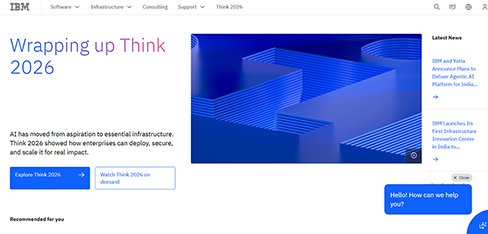
IBM had 300+ products with completely different user experiences because every team built custom UI. UX Stalwarts created Carbon Design System that established consistency and accelerated development. Increasing velocity 3.2x and improving satisfaction from 6.8 to 8.6 proved design systems are not optional for enterprise portfolios. The $47 million in maintenance savings showed component reuse delivers hard ROI. This design system transformed how IBM builds products.
Cisco accumulated 15 years of design debt with 200+ button variations creating terrible user experience. UX Stalwarts created Momentum Design System with migration toolkit making updates feasible. Reducing design debt 82 percent and improving satisfaction from 6.3 to 8.4 proved systematic approach beats incremental fixes. The $34 million in maintenance savings showed design systems deliver financial value beyond consistency. This transformed how Cisco manages product portfolio.
Dell Technologies had 7 brands with different visual languages creating inefficiency and user confusion. UX Stalwarts created multi-brand design system with theming architecture. Unifying all brands while preserving identity and reducing duplication 78 percent proved shared systems can respect differentiation. The 18-to-4 month reduction in acquisition integration showed design systems accelerate mergers. This approach transformed how Dell manages complex portfolio.
Evaluating design system partners and need clarity on scope, cost, or team adoption?
A design system is a comprehensive collection of reusable components, design tokens, patterns, guidelines, and governance rules that serve as a single source of truth for how digital products are designed and built. Organizations need design systems because without them, product visual quality degrades as teams grow, platforms multiply, and features expand. Colors drift, spacing becomes inconsistent, and developers recreate components independently. A governed design system eliminates this fragmentation by providing documented, tested, and version-controlled design assets that every team member uses consistently across every product and platform. Comprehensive design system creation services paired with design system creation solutions structured for team adoption make this consistency operationally achievable.
Evaluate whether the agency treats design systems as governed infrastructure or as static component libraries. A strong UI UX design system agency will address token architecture, governance workflows, contribution processes, and adoption training alongside component design. Ask how they measure system success, since library size alone is not meaningful. Check whether they build cross-platform systems with documented platform variants rather than single-platform libraries. Confirm they deliver documentation structured for team onboarding and contribution, not just component specifications. Finally, review their experience building systems for your industry, since domain-specific component requirements vary significantly. The best ui design systems consistently reflect these evaluation criteria.
A style guide documents visual standards like brand colors, typography, logo usage, and imagery guidelines. It tells teams what the brand should look like. A design system goes further by providing reusable, documented, version-controlled components and patterns that teams use to build actual product interfaces. It includes design tokens, component libraries, interaction patterns, accessibility specifications, governance workflows, and contribution guidelines. A style guide informs design decisions. A design system operationalizes them. Organizations that invest in brand identity foundations often find that a design system is the natural next step for scaling that identity across products.
Design system costs depend on organizational scope, component count, platform coverage, and governance depth. A focused system for a single-product startup with 30 to 50 components costs significantly less than an enterprise system spanning web, iOS, and Android with 150 or more components, theme support, and team training deliverables. Affordable design system services are available for organizations starting with foundational token and component coverage, while enterprise engagements scale to include governance frameworks, coded component references, and multi-platform architecture. The most transparent pricing comes from providers that scope based on component inventory and platform count rather than open-ended hourly estimates. Comparing design system creation services on these scope variables produces the clearest pricing picture.
Timeline depends on scope, component complexity, and platform coverage. A foundational design system with core tokens, 30 to 50 components, and single-platform documentation typically takes six to ten weeks. Comprehensive enterprise systems spanning multiple platforms with 100 or more components, governance frameworks, and team training take three to six months. The most significant timeline variables are stakeholder review speed and the extent of existing design debt that must be consolidated. Organizations with highly fragmented existing assets require additional assessment and migration time. Phased approaches that deliver a functional core system first and expand iteratively afterward often provide the best balance of speed and comprehensiveness.
Standard deliverables include a structured design token system covering color, typography, spacing, elevation, and motion values. A complete component library with full variant and state documentation. A pattern library documenting approved multi-component layouts and compositions. Usage guidelines with do-and-do-not examples for each component. Accessibility specifications embedded at the component level. Governance documentation covering contribution workflows, versioning protocols, and deprecation procedures. Adoption materials including onboarding guides, team training sessions, and component selection criteria. All assets are delivered in Figma or the agreed tool format with token export configurations for development integration. These outputs align with what leading ui design system development firms include in scoped engagements.
Yes, though the scope differs from enterprise systems. Startups benefit from foundational design systems that establish core tokens, essential components, and basic usage guidelines early, preventing the design debt that accumulates as products grow and teams expand. A lean system covering typography, color, spacing, and 20 to 30 core components gives startups consistency without over-engineering. As the product scales, the system grows with it. Organizations that delay design system investment until inconsistency becomes visible spend more correcting accumulated drift than they would have spent building the system earlier. Design system creation at the startup stage is an investment in scalable quality. A right-sized design system in ui ux prevents later fragmentation.
Engagements with existing products begin with an ecosystem assessment that inventories current components, identifies visual inconsistencies, and maps the gap between what exists and what a governed system requires. Fragmented assets are consolidated, redundant components are merged, and inconsistent token values are normalized. This assessment-first approach respects existing investment while establishing the unified architecture needed for consistency. The migration from fragmented assets to a governed design system ui ux framework is managed through phased component adoption, allowing teams to transition gradually without disrupting active product development. Explore how UX audits support this assessment process.
Design system experience spans healthcare, fintech, e-commerce, SaaS, EdTech, logistics, real estate, insurance, media, and government platforms. Each industry introduces distinct component requirements. Healthcare systems require accessibility-strict components and compliant data display patterns. Fintech systems demand precision numerical typography and trust-reinforcing visual hierarchies. E-commerce systems focus on product card variants, filtering components, and checkout flow patterns. SaaS systems address dashboard data density, role-based view components, and onboarding sequence modules. This cross-industry component architecture knowledge ensures design systems built here solve vertical-specific challenges from day one. Engagements with the best design system creation firms in india routinely span these verticals, and this design system development agency draws on that breadth.
Design tokens are the fundamental values that define a design system’s visual language: specific color hex codes, font sizes, spacing units, border radius values, elevation shadows, and animation timing settings. They are important because they create a single-source layer that components reference instead of using hardcoded values. When a token value changes, every component referencing it updates automatically. This mechanism enables global visual updates, theme switching, dark mode support, and platform adaptation from a single maintained source. Tokens structured in semantic layers also improve team communication by using meaningful names like “color-action-primary” rather than raw hex values.
Adoption is addressed through documentation quality, onboarding structure, and governance clarity. Every system includes component usage guidelines with selection criteria that help designers choose the right component for each context. Do-and-do-not examples prevent common misuse patterns. Onboarding sessions train new team members on system navigation, component usage, and contribution workflows. Governance frameworks clarify how to request changes, submit new components, and report issues. Adoption metrics tracking component usage rates across product screens helps identify where the system is being bypassed and why. This measurement-driven approach ensures the system delivers the operational efficiency it was built to provide. Top ui design system development firms track adoption metrics to refine documentation iteratively.
Yes. Multi-brand and theme support is enabled through structured token architecture. Global tokens define the system’s foundational values, while brand-specific or theme-specific token layers override those values contextually. A single component library references the token layer rather than hardcoded brand values, so switching themes requires changing the token set rather than redesigning components. This architecture supports white-label products, dark mode implementations, regional brand variants, and sub-brand product lines from a shared component foundation. The governance framework documents how brand-specific tokens are managed and who has authority to modify them.
Maintenance follows the governance framework established during the build. The framework defines who owns the system, how change requests are submitted and reviewed, what triggers a version increment, and how deprecated components are communicated and retired. Regular audits compare live product implementations against system specifications to identify drift. Component usage analytics reveal which components are heavily used, rarely adopted, or frequently overridden. These signals inform ongoing system evolution. Design system consulting services include post-delivery support packages covering quarterly audits, governance reviews, and component expansion aligned with product roadmap priorities. A reputable design system development agency formalizes these protocols, which leading design system creation agencies treat as standard practice.
A UI kit is a collection of visual design elements, typically organized in a single design file, that designers use as starting assets for new screens. It provides components but lacks governance, documentation, versioning, and coded references. A design system encompasses a UI kit but adds structured token architecture, comprehensive component documentation with states and accessibility properties, pattern libraries for approved layouts, governance workflows for contributions and updates, and design-to-code synchronization. A UI kit helps designers start faster. A design system ensures what they build stays consistent, accessible, and maintainable across teams and time. A well-architected design system ui ux is what design system creation agencies deliver for long-term consistency.
A design system development company based in India combines deep design engineering talent with cost efficiency that makes comprehensive system builds accessible to organizations at every stage. India has one of the largest trained UI/UX and front-end engineering communities working across international engagement models, enabling teams to deliver design systems with both visual and coded component coverage. Affordable design system services from India do not require sacrificing governance depth or documentation quality. Working hour overlap with US, European, and Australian teams supports real-time collaboration during accessibility reviews and component engineering sessions. The best design system creation firms in india offer design system creation solutions across budget tiers.

C – 81C, Sector – 8, Noida 201301, India


1025 Beamon Drive, Franklin 37064 Tennessee, USA
Sveavagen 34 111 34 Stockholm, Sweden
A-10, Sahastradhara Rd, Doon IT Park, Dehradun, Uttarakhand

© 2026 UX STALWARTS. All rights reserved.