Every product team eventually faces the same problem. Buttons look different across screens, form inputs behave inconsistently between modules, and developers rebuild the same elements from scratch on every sprint. Without a structured ui component library, these small inconsistencies compound into measurable business cost. Design reviews take longer because there is no shared reference. QA cycles expand because each screen introduces new visual variations. Onboarding slows because new developers cannot find reliable, reusable patterns. The absence of a single, authoritative component library quietly drains velocity, inflates technical debt, and fragments the user experience your customers depend on.
UX Stalwarts designs and delivers production-grade component libraries grounded in atomic design principles and aligned with your specific technology stack. Whether your teams work in React, Angular, or vanilla JavaScript, each library is architected with documented APIs, design tokens, accessibility compliance, and governance guidelines built in from the start. The deliverables include a fully coded ui components library with Storybook documentation, usage patterns, and integration-ready packages. From a single-product startup to an enterprise managing multiple brands, the output is a composable, versioned asset that shortens design-to-development handoff, reduces interface rework, and gives both designers and engineers a dependable foundation for building and scaling digital products.
With eighteen years of cross-industry project delivery and more than a thousand client engagements, the depth of experience behind each component library engagement goes well beyond visual design. The approach accounts for organizational workflows, frontend architecture constraints, and long-term maintainability. Where most agencies deliver a static set of components, the focus here is on building a living system that teams actually adopt. Every library is tested against real integration scenarios, validated with stakeholders, and structured to evolve alongside the product roadmap. That combination of strategic rigor and technical precision is what separates a useful library from a forgotten deliverable.

Every engagement begins with a technical audit of your existing frontend codebase, design tokens, and interface patterns. This baseline assessment shapes the component taxonomy, naming conventions, and dependency map before a single component is built, ensuring the library integrates cleanly rather than creating another silo.

Component libraries are only valuable when they match your development environment. Delivery spans React ui component libraries, Angular Material implementations, and javascript ui components library setups using Web Components. Each library respects framework-specific rendering patterns, state management conventions, and packaging requirements so adoption is immediate, not aspirational.

A component library without governance becomes stale within months. Every project includes contribution guidelines, semantic versioning protocols, deprecation workflows, and review checklists. These guardrails ensure that new components are added with consistency and that the library evolves under controlled, documented conditions that protect interface quality.

Every component ships with WCAG 2.1 AA compliance as a baseline requirement, not a retrofit. Keyboard navigation, screen reader labeling, focus management, and color contrast validation are embedded into each element during development. Accessible components reduce legal risk while expanding your product’s reach to broader audiences.

Enterprise organizations operating multiple brands or product lines need component libraries that support theming without duplication. The architecture uses design tokens and theme layers to allow a single react ui components library to serve distinct visual identities while sharing the same structural logic, reducing maintenance overhead significantly.

Building components is only half the challenge. Each delivery includes onboarding documentation, interactive Storybook sandboxes, and integration walkthroughs tailored to your engineering and design teams. This adoption-first approach ensures the library becomes a working reference rather than an archived artifact that nobody opens after handoff.

A well-built component library does more than standardize buttons and input fields. It establishes a shared language between design, engineering, and product management that eliminates ambiguity at every handoff point. When teams reference the same documented, tested, and versioned components, review cycles shorten, QA defects decrease, and feature shipping accelerates measurably. The value extends beyond speed. Consistent interfaces build user trust, reduce support volume, and strengthen brand perception across every touchpoint. The team behind each engagement brings deep experience in design system component library architecture, ensuring that every element serves both immediate usability goals and long-term product scalability.
Partner with a component library design agency that delivers results.
This structured methodology reduces risk at every stage while giving your team visibility into decisions, progress, and deliverables.

We audit your existing interfaces, codebases, and design files to catalog every UI element currently in use. This inventory identifies redundant components, inconsistent variants, and missing patterns. The output is a prioritized component map that defines the scope, hierarchy, and technical requirements for the entire library build.

Using atomic design component library principles, we classify each identified element into a clear hierarchy of atoms, molecules, and organisms. Naming conventions, folder structures, and component relationships are defined during this phase. The taxonomy document becomes the shared reference that aligns designers, developers, and stakeholders on organization.

Design tokens for color, spacing, typography, elevation, and motion are extracted and codified into a platform-agnostic format. These tokens serve as the foundational layer that allows the component library to support theming, white-labeling, and multi-brand configurations. Token architecture is validated against real product screens before finalization.

Each component is designed, coded, and documented with production-level quality. This includes responsive behavior, interaction states, accessibility compliance, and prop/API documentation. Whether building a react ui component library or an angular material ui component library, every element follows framework-native conventions to ensure seamless developer integration.

Components are published into an interactive documentation environment such as Storybook or Chromatic. Each entry includes usage guidelines, code snippets, prop tables, accessibility notes, and visual examples. This reference layer makes the library self-service for both design and development teams and reduces dependency on tribal knowledge.

The library is packaged, versioned, and integrated into your development pipeline. We establish contribution workflows, semantic versioning rules, visual regression testing, and review processes. Post-integration support includes monitoring adoption metrics, resolving integration issues, and updating components as product requirements evolve, ensuring the library remains a living asset.
Across more than 1,000 client engagements and multiple industries, explore how structured component libraries have delivered measurable product outcomes.
Building a component library is not a one-size-fits-all exercise. The requirements for a fintech dashboard differ fundamentally from those of a healthcare portal or an e-commerce storefront. Every engagement is informed by the regulatory constraints, user expectations, and workflow patterns specific to your sector. From early-stage startups validating their first product to enterprises managing complex multi-platform ecosystems, the approach adapts to match organizational scale.
Deep experience spans financial services, healthcare, education, retail, logistics, SaaS platforms, and government digital services. This cross-sector exposure means component libraries benefit from patterns proven across regulated, high-security, and consumer-facing environments. When your library needs to handle HIPAA-compliant form elements, PCI-ready payment components, or multilingual content structures, that industry context is already embedded into the design and engineering process.

When organizations evaluate a component library development agency, they look beyond portfolios. They assess whether the partner can build something that teams will actually use, maintain, and scale over years. The recognition earned through consistent delivery across complex environments reflects a commitment to precision and long-term system thinking.
Living Libraries, Not Static Deliverables: Every component library ships with governance, versioning, and evolution frameworks that ensure the system stays relevant beyond initial delivery.
Framework-Native, Not Framework-Agnostic: Components are engineered for your specific stack, whether that is a material ui react component library or a custom Web Components setup.
Enterprise Governance from Day One: Contribution workflows, deprecation policies, and adoption tracking are standard deliverables, not optional extras layered on after launch.
Each component library is built using industry-standard tools selected for compatibility with your existing workflows. The technology choices ensure long-term maintainability and broad ecosystem support.









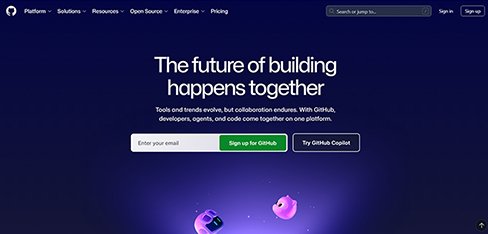
GitHub teams were recreating UI patterns constantly because we had no shared component library. UX Stalwarts built Primer with comprehensive implementations and documentation. Increasing development speed 4.2x and saving $67 million proved component libraries deliver hard ROI. The 97 percent accessibility compliance showed library defaults enforce standards. This component library transformed how GitHub builds products.
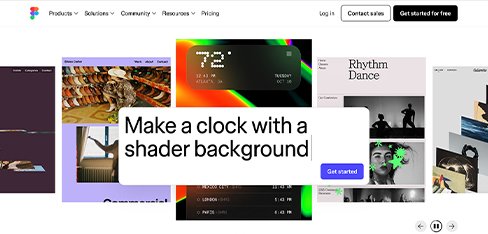
Figma promoted design systems and component libraries but our own product had inconsistent components. UX Stalwarts built internal component library demonstrating systematic design. Increasing productivity 3.2x and scaling from 15 to 150 designers proved component libraries are essential for design teams. The credibility of practicing what we preach was invaluable. This library transformed how Figma design team works.
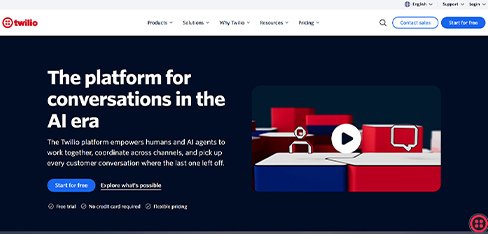
Twilio had multiple API products but each console was completely different creating terrible customer experience. UX Stalwarts built Paste component library unifying our platform. Reducing integration time 68 percent and improving satisfaction from 7.2 to 8.9 proved consistency drives adoption. The white-label acceleration from 6 weeks to 4 days enabled enterprise business. This component library unified Twilio developer experience.
Answers to the questions teams ask before starting a library project.
A ui component library is a collection of reusable, coded interface elements such as buttons, form inputs, cards, modals, and navigation patterns. Each component is built once, documented, and made available for teams to use across products. A design system is broader. It includes the component library alongside design principles, brand guidelines, governance rules, content standards, and usage documentation. Think of the component library as the engine inside the larger vehicle of a design system. Many organizations start with a component library and expand into a full design system over time as their product portfolio grows. If you are considering a structured approach to your visual standards, our design system creation services cover the complete framework.
Start by evaluating whether the agency has experience building ui component libraries for your specific technology stack, such as React, Angular, or Vue. Ask to see documented examples of libraries they have delivered, including governance frameworks and adoption outcomes. Top-tier ui component library design agency teams demonstrate this clearly. A reliable component library design agency will demonstrate expertise in design tokens, accessibility compliance, and versioning workflows. Look for agencies that deliver documentation alongside code, since a library without clear usage guidelines rarely gets adopted. Also assess whether the agency supports post-delivery maintenance and can help your team build the internal capability to evolve the library independently over time.
Costs vary depending on the number of components, the complexity of theming requirements, and the frameworks involved. A focused library with 30 to 50 core components for a single-product team might range between $15,000 and $40,000. Enterprise-grade libraries supporting multi-brand theming, advanced accessibility, and cross-platform rendering typically range from $50,000 to $150,000 or more. Key cost drivers include the depth of documentation, the number of supported frameworks (a react ui component library alone versus React plus Angular), and whether the project includes governance setup and training. Among component library design firms and component library design companies, pricing varies widely. A detailed scope assessment is the most reliable way to establish accurate budgets for your specific requirements.
Timeline depends on scope and organizational readiness. A focused component library for a single product with 30 to 40 components typically requires 8 to 12 weeks. Larger enterprise projects involving inventory audits, multi-framework support, design token architecture, and governance framework setup may take 16 to 24 weeks. Organizations with existing design files and a clear brand guide move faster than those starting from scratch. Experienced component library design consultants plan around these variables. The phased approach used here ensures that high-priority components are available for integration early, allowing development teams to begin building with the library while remaining components are still being engineered and documented.
Atomic design is a methodology created by Brad Frost that organizes interface elements into five hierarchical levels: atoms, molecules, organisms, templates, and pages. Atoms are the smallest building blocks like buttons and labels. Molecules combine atoms into functional groups like a search bar. Organisms assemble molecules into complete sections like a navigation header. This hierarchy provides a clear, scalable structure for organizing an atomic design component library. It ensures that components are modular, composable, and maintainable as the library grows. The approach also improves communication between designers and developers because both teams share a common vocabulary for describing interface elements at every level of complexity.
Yes. Component library design services cover all major frontend frameworks. A react ui component library is built using React-native patterns with hooks, context, and modular CSS or Tailwind utility classes. An angular material ui component library follows Angular conventions including modules, dependency injection, and change detection compatibility. A specialist ui component library design company supports each stack natively. When organizations need to support multiple frameworks simultaneously, the approach uses framework-agnostic design tokens and shared specifications to ensure visual and behavioral consistency, with framework-specific component implementations built on top. This avoids the maintenance overhead of trying to force a single codebase across incompatible frameworks while preserving a unified design language.
A material ui components library built on the Material Design specification includes foundational elements like buttons, text fields, dialogs, snackbars, data tables, and navigation drawers. When working with the material ui react component library approach, each component follows Material Design interaction patterns while being fully customizable through theme overrides and design tokens. Customization covers color palettes, typography scales, elevation values, border radii, spacing units, and component-specific prop configurations. The result is a library that feels native to your brand rather than a generic Material template. Tailored component library design solutions preserve Material accessibility while shedding default styling. This is particularly valuable for enterprises that want Material Design’s accessibility and usability patterns without the default Google aesthetic.
A javascript ui components library can be built using vanilla JavaScript, Web Components, or any major framework including React, Vue, Angular, and Svelte. Web Components are especially useful for organizations that use multiple frameworks across different products because they render natively in any browser environment. The library architecture accounts for module bundling, tree-shaking compatibility, and package distribution through npm or private registries. The choice of technology depends on your team’s stack, your product roadmap, and whether the library needs to support server-side rendering. A capable component library development agency evaluates these tradeoffs early. During the inventory and taxonomy phases, the optimal framework strategy is determined based on your specific technical landscape.
Accessibility is embedded into each component from the engineering phase, not added as a post-build check. Every element follows WCAG 2.1 AA standards, covering keyboard navigation, ARIA labeling, focus management, color contrast ratios, and screen reader compatibility. Components are tested using automated tools like axe-core alongside manual validation with assistive technologies. Documentation for each component includes accessibility notes specifying required ARIA attributes, focus order expectations, and any known limitations. This integrated approach ensures that accessibility does not degrade as the library evolves or as new components are contributed, maintaining compliance as a continuous standard rather than a one-time audit.
Post-delivery support includes a defined period of hands-on maintenance covering bug fixes, minor enhancements, and integration troubleshooting. Beyond that, the support model extends to governance reviews, adoption tracking, and periodic component audits. Teams receive documentation on how to add, deprecate, and update components independently. Training sessions are provided for both designers and developers to ensure the library becomes self-sustaining. For organizations that prefer ongoing partnership, retainer arrangements cover continuous library evolution, new component development, and framework upgrades. A trusted ui component library design company stays engaged beyond launch. The goal is to build internal capability so your team can maintain the library confidently while having access to expert guidance when complex decisions arise.
Absolutely. Many projects begin with an audit of a legacy ui component libraries setup rather than a new build. The audit evaluates component coverage, naming consistency, accessibility compliance, documentation quality, and adoption levels across teams. Common findings include duplicate components with slight variations, missing states or responsive behaviors, and outdated dependencies. After the audit, a restructuring plan addresses consolidation, gap-filling, and governance improvements. Component library design firms and component library design consultants guide audits well. This approach preserves the investment your team has already made while bringing the library to a production-grade standard. If your existing library connects to broader interface patterns, combining this work with a wireframing review can surface structural improvements at the layout level as well.
When designers and developers reference the same documented component library, handoff friction drops significantly. Designers build layouts using the exact components that exist in code, so developers receive specifications that map directly to implemented elements. There are no interpretation gaps over spacing, color values, or interaction states because each component is already defined and documented. This alignment reduces back-and-forth review cycles, eliminates pixel-level discrepancies, and accelerates feature delivery. Teams that adopt a structured ui component library react setup typically report 30 to 50 percent reductions in design review time and a measurable decrease in frontend QA defects across release cycles.
UI design system consultancy is a strategic service that helps organizations plan, structure, and govern their design system investments. It is needed when teams are unsure whether to build or buy a component library, when multiple product teams are creating inconsistent interfaces, or when an existing system has low adoption. Consultancy engagements produce actionable recommendations covering technology selection, governance models, team structures, and adoption roadmaps. Mature component library design solutions emerge from this exercise. For organizations that already have a component library but lack the surrounding documentation and standards, this consultancy bridges the gap between isolated components and a cohesive system.Pairing consultancy with prototyping validation ensures recommendations are tested against real user flows before full implementation.
Yes, and this is one of the most valuable applications of a well-architected component library. Multi-brand support is achieved through a layered token architecture where structural components remain shared while visual tokens (colors, fonts, spacing, icons) are swapped per brand or tenant. This means a single enterprise design system agency engagement can produce a component library that powers visually distinct products from the same codebase. The approach eliminates duplicate development, ensures behavioral consistency across brands, and simplifies maintenance because updates to shared components propagate across all brand themes automatically. A capable ui component library design agency architects the token layers up front. This setup is common in SaaS platforms, franchise operations, and enterprise product suites.
The cost reduction comes from three areas: eliminated rework, faster feature delivery, and reduced QA overhead. When developers build from pre-tested, documented components instead of coding new elements for every feature, sprint velocity increases and defect rates decrease. Studies show that organizations with mature ui component libraries experience a 30 to 50 percent improvement in design and development efficiency. Leading component library design companies quantify these gains in client reports. Over a two-year period, the savings from reduced redundancy and faster onboarding typically exceed the initial library investment by a factor of three to five. For organizations investing in comprehensive interface improvement, combining a component library with mockup design services creates end-to-end visual consistency from concept through production.

C – 81C, Sector – 8, Noida 201301, India


1025 Beamon Drive, Franklin 37064 Tennessee, USA
Sveavagen 34 111 34 Stockholm, Sweden
A-10, Sahastradhara Rd, Doon IT Park, Dehradun, Uttarakhand

© 2026 UX STALWARTS. All rights reserved.