Products fail not because of missing features but because the features that exist are difficult to find, confusing to use, or frustrating to complete. Analytics can show where users drop off, but they cannot explain why. Internal teams who designed the product are too close to it to see the friction their users experience. Without structured usability testing services, organizations ship products based on internal confidence rather than validated evidence. The cost of this gap compounds with every release cycle: higher support volumes, lower adoption rates, and conversion losses that accumulate silently.
Our usability testing process places real users in front of your product, prototype, or concept under controlled conditions, with trained researchers observing every interaction, hesitation, and error. From moderated usability testing sessions where researchers guide participants through specific tasks to unmoderated usability testing studies that capture behavior at scale, we apply the right usability testing methods for each product stage and research question. Deliverables include usability testing reports with severity-rated findings, video highlight compilations, task completion rate metrics, and prioritized design recommendations that your team can implement immediately.
With eighteen years of cross-industry design execution, UX Stalwarts delivers expert usability testing services for digital products across SaaS platforms, mobile applications, e-commerce sites, and enterprise tools. Our researchers bring the interpretive depth that separates mechanical test facilitation from genuine behavioral understanding. Where top usability testing companies offer standardized testing packages, we calibrate study design, participant profiles, and analytical depth to each product’s specific risks and objectives. The result is findings that connect directly to design decisions, not generic observation reports that require additional translation.

Every usability study is facilitated by experienced UX researchers who know how to probe beyond surface reactions. Our usability testing consultants guide sessions with calibrated questioning techniques that reveal underlying mental models, expectation mismatches, and navigation confusion without leading participants toward predetermined answers or biasing their responses.

Different research questions demand different usability testing methods. We select moderated or unmoderated formats, in-person or remote execution, task-based or exploratory protocols, and qualitative or quantitative measurement approaches based on what your product stage, audience, and decision timeline actually require, not a one-size-fits-all template.

Testing with the wrong participants produces misleading results. Our recruitment process screens for demographic fit, domain expertise, technology fluency, and behavioral characteristics that match your actual user base. For B2B usability testing agency engagements, we recruit verified professionals from target industries and job functions.

Not every usability issue carries equal weight. Our analysis categorizes each finding by severity, frequency, and conversion impact, creating a prioritization framework your product and engineering teams can act on immediately. This structured severity rating prevents the common problem of treating all usability issues as equally urgent.

Digital products operate across devices, screen sizes, and input methods. Our usability testing for mobile apps, responsive websites, desktop applications, and native platforms evaluates how the same user journey performs differently across each environment. Cross-device testing reveals friction points that single-platform studies miss entirely.

Stakeholders are persuaded by evidence they can see. Every engagement includes curated video highlight reels showing real users struggling with specific interface elements, providing compelling visual proof that drives organizational alignment around design improvements. These compilations are more effective than any written report at securing redesign approval.
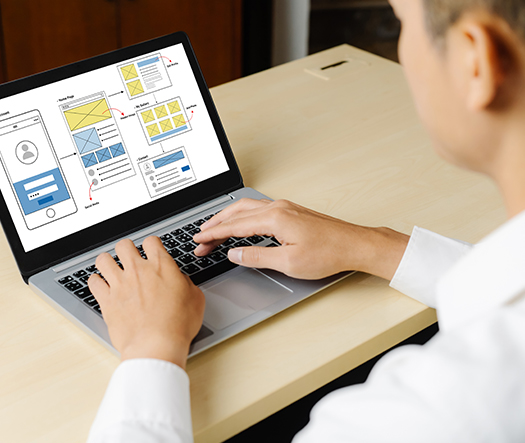
The benefits of usability testing extend far beyond catching interface problems before launch. When product teams observe real users interacting with their designs, they build genuine empathy for user needs that no analytics dashboard can replicate. This empathy changes how teams approach subsequent design decisions, creating a lasting cultural shift toward user-centered thinking. Usability testing reduces development waste by identifying ineffective design directions early, decreases post-launch support costs by catching confusion before it reaches customers, and increases conversion rates by removing the friction that stands between user intent and task completion. These compounding returns make testing one of the highest-ROI investments in digital product development.
Partner with researchers who reveal what your users actually experience.
Our proven usability testing process ensures that every study is designed, executed, and analyzed to answer your most critical product questions.

Before recruiting a single participant, we work with your product team to define exact research questions, success criteria, and the specific design decisions the study needs to inform. This alignment ensures the test produces answers your team can act on rather than general impressions that require further interpretation.

We develop screener criteria based on your user personas, behavioral attributes, and domain requirements, then recruit participants who genuinely represent your target audience. For usability testing services for ecommerce websites, this means verified online shoppers. For B2B platforms, it means professionals with relevant workflow experience and purchasing authority.

Our researchers create detailed test scripts defining task scenarios, probing questions, and observation rubrics. Protocol design varies by method: moderated sessions receive conversational guides, while unmoderated studies receive precise task instructions with embedded rating scales. Each protocol is pilot-tested before the first participant session begins.

Trained moderators guide each session, observing verbal and non-verbal reactions, probing at moments of hesitation, and capturing contextual detail that automated tools cannot detect. Remote sessions are conducted through screen-sharing and video platforms. In-person sessions use observation rooms for stakeholder viewing without participant distraction.

After all sessions, our analysts review recordings, tag behavioral patterns, calculate task completion rates and time-on-task metrics, and identify recurring usability issues across participants. Findings are categorized by severity (critical, major, minor, cosmetic) and mapped to specific interface elements. This structured analysis separates signal from noise.

The final usability testing report includes severity-rated findings, supporting video clips, quantitative metrics, and prioritized design recommendations. We present findings directly to your product and design teams, walking through each observation and its recommended resolution. Post-delivery consultation ensures your team can translate findings into implementation plans.
Across 1,000+ client engagements, our usability testing has uncovered critical friction, validated design directions, and prevented costly post-launch failures.
Our approach to usability testing adapts to the complexity, risk profile, and audience sophistication of each engagement. Whether testing a seed-stage prototype with five participants to validate a core concept or conducting a multi-round, multi-device study across an enterprise platform with dozens of user roles, our team scales study design, participant recruitment, and analytical depth to match each project’s specific requirements.
Direct usability testing experience across healthcare portals, fintech applications, B2B SaaS dashboards, e-commerce checkout flows, education platforms, insurance quoting tools, real estate search interfaces, and government service portals provides our researchers with sector-specific behavioral fluency. Healthcare users interact differently with consent workflows than shoppers interact with product filters. Recognizing these vertical nuances during test facilitation and analysis produces sharper, more accurate findings.

Usability testing platforms provide the technology to run studies. Our value lies in what happens around the technology: designing the right study, recruiting the right participants, moderating with skill, analyzing with rigor, and translating findings into design actions that measurably improve product performance. This human expertise layer is what distinguishes agency-led testing from self-service tools.
Interpretation, Not Just Observation: Our researchers explain why users behave the way they do, connecting observed actions to cognitive patterns, design principles, and measurable improvements.
Calibrated to Your Product Stage: Early-stage concepts receive exploratory testing. Post-launch products receive benchmark studies. Pre-redesign interfaces receive diagnostic evaluations. Each stage gets the right method.
Stakeholder-Ready Evidence Packages: Every engagement produces video highlight reels, severity-rated findings, and executive summaries designed to secure organizational buy-in for recommended changes.
We work with leading usability testing and research platforms, selecting and configuring the right combination for each study based on method, audience, device requirements, and analytical needs.










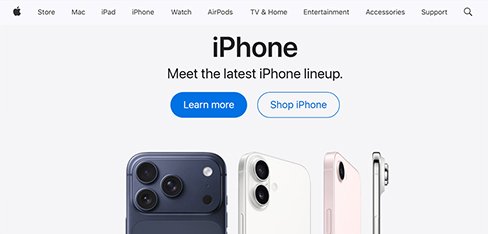
Apple products were beautiful but elderly users struggled with basic tasks that younger users found intuitive. UX Stalwarts conducted rigorous usability testing with seniors revealing specific barriers. Improving task success from 47 to 91 percent proved we needed to design for diverse abilities, not just average users. The 340 percent increase in Siri usage showed features only work when usable. This testing transformed how we think about inclusive design.
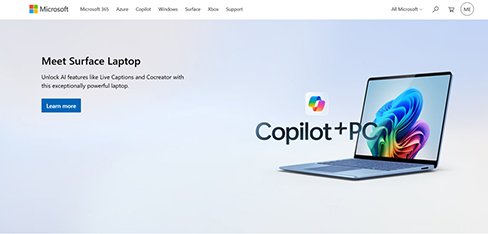
Microsoft Teams had powerful features but adoption was disappointing despite executive mandates. UX Stalwarts conducted usability testing revealing specific workflow misalignments and confusion points. Increasing adoption 156 percent by fixing these issues proved you cannot mandate unusable software. The 73 percent reduction in time-to-find-content showed information architecture must match mental models. This testing transformed Teams from feature-rich to actually usable.
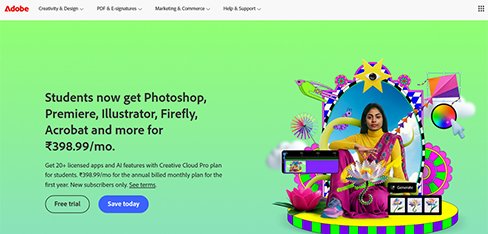
Adobe products were incredibly powerful but decades of features created overwhelming complexity that reduced productivity. UX Stalwarts conducted usability testing revealing designers used only 15-20 percent of tools. Improving productivity 67 percent through simplification proved more features is not better experience. The 340 percent improvement in feature discovery showed hiding advanced capabilities until needed beats showing everything always. This testing transformed our interface philosophy from comprehensive to contextual.
Considering usability testing for your product? Here is what teams ask.
Usability testing specifically measures how easily users can complete defined tasks within an interface, focusing on metrics like task completion rate, time on task, error frequency, and satisfaction scores. User testing is a broader term that encompasses any evaluation involving real users, including concept testing, preference testing, and general feedback collection. Usability testing is more structured and task-focused, producing quantitative and qualitative data about interface effectiveness. Our UX testing services cover the full spectrum, with usability testing forming the core methodology for evaluating product interaction quality.
Usability testing services pricing varies based on study complexity, participant count, recruitment difficulty, and moderation format. A focused remote unmoderated study with five to eight general consumer participants typically ranges from modest four-figure investments. Moderated studies with specialized professional participants, such as B2B usability testing agency engagements requiring domain experts, cost more due to recruitment complexity and moderator time. Multi-round studies across mobile and desktop platforms with detailed analysis reports represent larger investments. When comparing usability testing tools with agency-led services, remember that tools provide technology while agencies provide interpretation, study design, and actionable recommendations. Buyers reviewing usability testing services pricing often shortlist the top usability testing consulting providers before approving the engagement scope.
Research consistently shows that five to eight participants per distinct user segment uncover approximately eighty percent of usability issues in a moderated qualitative study. Larger quantitative studies designed for statistical benchmarking or comparison require twenty to fifty or more participants per condition. The right sample size depends on your research goals: if you need to identify and fix major interaction problems, five to eight participants per segment is sufficient. If you need to measure task completion rates with statistical confidence or compare usability testing examples across multiple design variants, larger samples are necessary.
We apply moderated usability testing where a researcher facilitates live sessions, unmoderated usability testing where participants complete tasks independently with screen and audio recording, remote testing for geographically distributed audiences, in-person lab testing for observation-intensive studies, prototype usability testing for pre-development validation, and competitive benchmarking studies that compare your product against rival interfaces. Method selection is driven by your research questions, participant availability, product stage, and timeline. We often recommend combining methods across project phases for comprehensive coverage.
Usability testing for mobile apps requires attention to touch interactions, screen size constraints, gesture-based navigation, and context-of-use factors that desktop testing does not address. We test on actual devices across iOS and Android platforms, capturing touch patterns, scroll behavior, and app-specific interactions like swipe gestures and haptic feedback responses. Participants use their own devices when possible to replicate natural usage conditions. Our mobile testing protocols account for one-handed operation, variable connectivity, and interruption patterns that shape real-world mobile usage. Results inform both interaction design and platform-specific implementation decisions.
Standard deliverables include an executive summary of key findings, individual task analysis with success rates and time-on-task data, severity-rated usability issues mapped to specific interface elements, annotated screenshots highlighting problem areas, curated video highlight reels showing participant struggles, a prioritized recommendation matrix connecting each finding to a design improvement, and post-test satisfaction metrics. For larger engagements, we also provide comparative analysis across participant segments, device-specific findings, and follow-up validation test plans. Every deliverable is designed to be immediately actionable for your design and product teams.
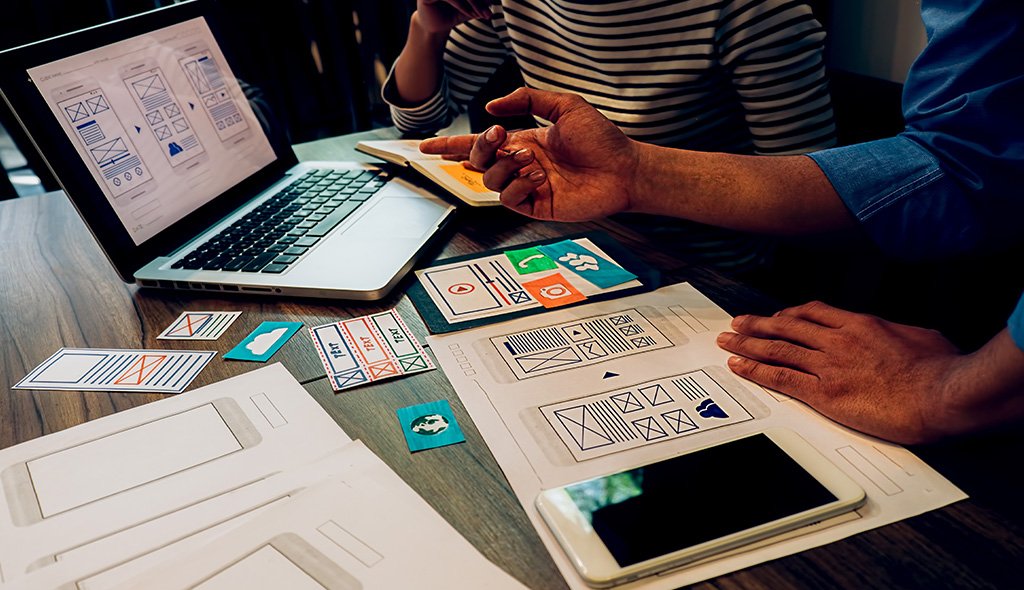
We test across all fidelity levels. Low-fidelity wireframes and paper prototypes can be evaluated through moderated walkthroughs and first-click testing. Interactive prototypes built in Figma, InVision, or similar tools support full task-based usability studies. Live websites and applications receive comprehensive testing with real user flows, data entry, and transaction completion. Testing at the prototype stage is especially valuable because it catches structural and navigation problems before any development investment, making affordable usability testing services for small businesses possible at early stages when budgets are limited.
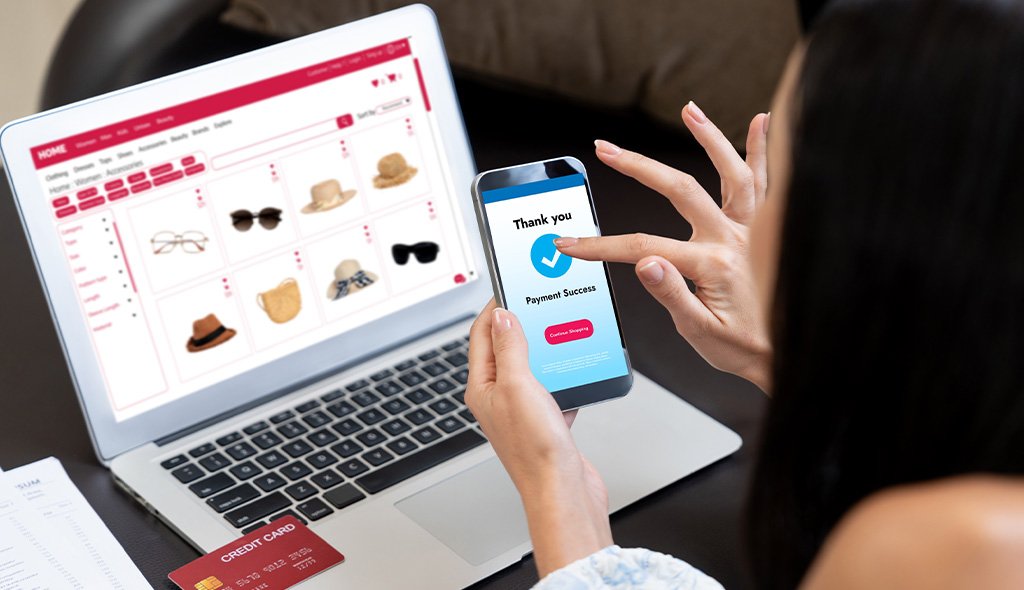
Usability testing services for ecommerce websites identify friction in the specific journeys that directly affect revenue: product discovery, filtering and search, product page evaluation, cart management, and checkout completion. Even small friction points in these flows translate to measurable conversion losses at scale. Testing reveals issues like confusing size selectors, hidden shipping costs, registration barriers, and payment form confusion that analytics flag as drop-offs but cannot explain. Our conversion rate optimization services often begin with usability testing to diagnose the root causes of underperforming ecommerce funnels.
The best usability testing agency combines strong research methodology with design fluency and clear communication. Look for agencies that design custom study protocols rather than applying generic templates, recruit participants who genuinely match your user base, use trained moderators who know how to probe without leading, deliver severity-rated findings with implementation-ready recommendations, and provide video evidence that builds organizational alignment. Also evaluate whether the agency has experience in your specific product category, since vertical-specific knowledge significantly improves both facilitation quality and analytical accuracy. When comparing the best usability testing firms, shortlist the top usability testing companies whose published case studies match your product category. Reviewing sample reports from the best usability testing firms, alongside references from past clients, helps identify the best usability testing agency for your specific objectives.
Usability testing operates at multiple points in the design lifecycle. During discovery, it validates early concepts and information architecture. During design, it evaluates prototypes and wireframes before development. After launch, it diagnoses live product issues and benchmarks performance. Our UX design services integrate usability testing findings directly into iterative design cycles, ensuring that research insights translate into measurable interface improvements rather than sitting in reports. UX testing best practices recommend testing at each major design milestone rather than treating it as a single pre-launch event.
Yes. Competitive usability benchmarking places your product alongside two to four competitor products, testing the same core tasks across all interfaces with matched participant groups. This produces objective, task-level comparisons showing where your product leads, where it lags, and where specific improvements would shift competitive positioning. Benchmarking studies generate quantitative scores for task completion rate, efficiency, and satisfaction that enable ongoing measurement over time. This methodology connects directly to our competitive analysis services for organizations that need both strategic and experience-level competitive intelligence.
Timeline depends on study scope and recruitment complexity. A focused study with five to eight general consumer participants can be completed in two to three weeks from scoping to final report delivery. Studies requiring specialized professional participants, such as enterprise software users or healthcare practitioners, may need three to four weeks for recruitment alone. Multi-round studies with iterative design testing between rounds typically span six to eight weeks. We establish clear timelines during project scoping so your team can plan design and development sprints around expected findings. When you hire usability testing agency partners early, scoping conversations typically lock these timeline ranges in writing. A reliable Usability Testing company will share a clear week-by-week breakdown before fieldwork begins.
Remote usability testing is highly effective for most research objectives and offers significant practical advantages: access to geographically distributed participants, testing in participants’ natural environments, faster recruitment, and lower logistical costs. In-person testing provides additional value when you need to observe physical interactions (such as hardware products), capture non-verbal body language cues, or test in controlled environments with specialized equipment. For most digital products, remote testing produces findings of equivalent quality to in-person studies, making it the recommended default for affordable usability testing services for small businesses and enterprises alike. A modern usability testing solution prioritizes remote sessions wherever participant context permits. The right Usability Testing company will recommend the format that fits your audience rather than defaulting to a single model.
Recruitment begins with screener questionnaire design that filters for demographic, behavioral, and domain-specific criteria matching your target users. We recruit through curated participant panels, client customer databases, professional networks for B2B studies, and targeted outreach for specialized audiences. Every participant is rescreened before their session to verify eligibility. For expert usability testing services for digital products in specialized domains like healthcare, finance, or enterprise software, we apply additional screening layers including role verification, technology proficiency assessment, and domain knowledge validation to ensure participant quality matches study requirements. Experienced usability testing consultants supervise this recruitment workflow end-to-end. Teams that hire usability testing agency partners gain access to pre-screened panels built across years of fieldwork.
Common usability testing examples include evaluating checkout completion rates and friction points on ecommerce platforms, testing onboarding flow clarity and activation steps in SaaS products, assessing form completion and error recovery on lead generation websites, validating navigation and content findability on information-heavy portals, testing appointment booking and account management flows on healthcare platforms, and evaluating dashboard comprehension and task efficiency on enterprise analytics tools. Each product type presents unique interaction challenges that require tailored task scenarios, participant profiles, and analytical frameworks to produce meaningful, actionable findings. Each scenario benefits from a tailored usability testing solution rather than a generic protocol. Selecting the top usability testing consulting partner depends on which of these scenarios most closely matches your product roadmap.

C – 81C, Sector – 8, Noida 201301, India


1025 Beamon Drive, Franklin 37064 Tennessee, USA
Sveavagen 34 111 34 Stockholm, Sweden
A-10, Sahastradhara Rd, Doon IT Park, Dehradun, Uttarakhand

© 2026 UX STALWARTS. All rights reserved.