Cross-platform apps fail when design ignores platform nuance. A single set of screens forced onto both iOS and Android signals amateur work to users who notice conventions are off. A Flutter app that uses Material buttons on iPhone feels foreign to Apple users immediately. A React Native app with iOS-style navigation on Android screens confuses users who live inside Material conventions daily. Weak cross platform app design shows up as App Store and Play Store ratings mentioning the app feels wrong on one platform, engineering teams adding per-platform forks late in the project, brand teams redesigning screens after launch, and the kind of reviews that burn the efficiency gains single-codebase frameworks promise in the first place.
Our approach treats cross-platform as a design strategy problem, not a framework choice alone. Before artboards are produced, our team studies target audiences on both iOS and Android, framework realities across Flutter, React Native, Kotlin Multiplatform, and .NET MAUI, and the specific moments where platform conventions must diverge even inside a shared codebase. From there we deliver research-backed information architecture, platform-adaptive screens, design tokens that theme cleanly across iOS and Android, component libraries matched to framework capabilities, and handoff files prepared for Flutter widgets or React Native components. As a specialized cross platform UI UX design partner, we engineer the moments where single-codebase efficiency meets platform-native expectation without either side losing.
Eighteen years of design work across thirty-plus countries gives our team practical fluency in when cross-platform frameworks genuinely save effort and when native work serves users better. UX Stalwarts has partnered with early-stage founders choosing between Flutter and React Native for first launches and with established teams maintaining hybrid mobile apps across years of feature expansion. Our designers collaborate with Flutter and React Native engineers daily, study platform-channel realities, work alongside DevOps teams managing shared CI pipelines, and speak the vocabulary of Cupertino and Material widgets, native module bridges, Skia rendering, and the small platform-channel decisions that decide whether a hybrid app feels smooth or stuttering. That grounding separates generic design shops from a cross platform app design company that genuinely understands shared-codebase realities at production scale.

Flutter renders its own widgets through Skia while React Native bridges to native components. These differences shape what designs render cleanly on each framework. Our team designs knowing which framework will ship the code, so visual choices, animation specs, and gesture patterns match framework strengths rather than fighting them during implementation and causing performance issues.

Shared codebase does not mean identical screens. We decide deliberately which elements stay unified for efficiency and which adapt per platform for user recognition. Navigation patterns, primary buttons, form inputs, and date pickers often diverge while brand visual identity stays consistent, giving users platform familiarity without doubling design investment unnecessarily.

Cross-platform apps especially benefit from disciplined token systems. Colors, spacing, typography, elevation, and motion tokens map cleanly to Flutter ThemeData or React Native styling systems so engineering implements from source rather than extracting values from mockups. Dark Mode variants, accessibility scaling, and localization expansion all flow through tokens without breaking shared screens.

Hybrid apps face perception challenges native apps do not. Heavy animations, complex list virtualization, and expensive render trees all affect how cross-platform apps feel. Our designs respect framework rendering realities, specifying performance-friendly motion and layout patterns that ship smoothly rather than creating the jank pattern that frustrates users and generates one-star reviews regularly.

Not every product benefits from shared codebase. Our engagements begin with honest assessment of whether Flutter, React Native, or native development serves your specific product better. Audio-heavy apps, AR experiences, or graphics-intensive games often benefit from native. Business apps, content platforms, and typical SaaS products usually ship faster cross-platform. We recommend fit, not framework preference.

Cross-platform projects require tighter designer-engineer collaboration than native work because shared codebase amplifies every design decision. Our rhythm includes weekly framework review sessions, shared Figma spaces reviewed by Flutter or React Native leads, and documented design decisions that engineering can implement without constant back-and-forth clarification during sprint execution.
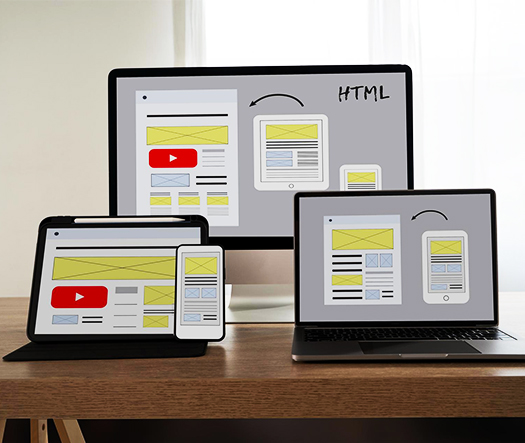
Cross-platform interfaces carry measurable consequences when craft slips. A shared design that ignores platform adaptation drops ratings on whichever platform feels neglected. A framework-unaware visual spec triggers jank that haunts launch week reviews. A token system built for only one platform forces engineering to maintain two visual sources of truth. Strong cross platform mobile app design shifts metrics that compound: App Store and Play Store ratings hold steady across both platforms, engineering velocity improves through cleaner handoff, and single-codebase efficiency genuinely pays off rather than being eaten by per-platform forks. A thoughtful cross platform UI UX design services partner understands both the framework reality and the user expectations that shape real hybrid product success.
Partner with specialists who design cross platform apps respecting both worlds.
Every engagement follows a deliberate sequence built to respect platform conventions, framework realities, and the single-codebase economics that drive cross-platform choices in the first place.

We begin by mapping the technical reality around your product: framework choice between Flutter, React Native, Kotlin Multiplatform, or .NET MAUI, engineering team composition, target device mix across iOS and Android, and shared-codebase economics driving the decision. Existing analytics, Play Store and App Store review patterns, and competitor hybrid examples establish the measurable baseline every design decision must improve.

Cross-platform design hinges on deliberate parity versus divergence choices. We map every interface element to one of three buckets: shared across platforms for efficiency, adapted per platform for user recognition, or platform-exclusive for deep platform integration. These decisions get documented explicitly so engineering implements with clarity rather than discovering adaptation requirements mid-sprint during execution.

Design tokens come before screens in cross-platform work especially. Color roles, spacing units, elevation levels, motion curves, and typography scales are defined as the underlying system that flows into Flutter ThemeData or React Native styling objects directly. Tokens are structured to support Dark Mode, platform-specific adjustments, accessibility scaling, and localization expansion without forcing engineering to maintain parallel design sources.

High-fidelity screens ship across iOS and Android variants where platform divergence matters, with shared templates where parity wins. Component libraries map directly to Flutter widget trees or React Native component hierarchies. Animation specifications respect framework rendering performance, custom iconography balances Cupertino and Material aesthetics, and responsive patterns accommodate phone and tablet form factors across both platforms cleanly.

Designs are reviewed with Flutter or React Native engineering leads before production sprints commit effort. Rendering feasibility, performance implications, gesture handling across platform channels, and accessibility behavior are validated against framework capabilities. Edge cases like keyboard management, deep linking, and native-module interactions are designed explicitly rather than discovered as surprises during feature implementation cycles.

Post-launch, analytics across both platforms guide refinement. Rating trends segmented by iOS and Android, crash and jank reports, feature adoption, and framework-specific performance signals are monitored against the Phase One baseline. Where gaps emerge, revisions ship aligned with framework release cycles so the app stays current as Flutter and React Native evolve their underlying capabilities through major versions across the year.
Drawn from over one thousand engagements, these projects reflect measurable outcomes across Flutter, React Native, and hybrid apps launched on iOS and Android globally.
Foundational values behind every cross-platform engagement are framework respect, platform convention honesty, and design token discipline. Teams evaluating top cross platform app design agencies weigh hybrid-specific fluency against execution speed, and both matter in real shared-codebase work. From founders choosing Flutter or React Native for first launches to established teams maintaining enterprise cross platform app design across years of feature expansion, our team operates across the maturity spectrum. Design decisions balance immediate user needs against the architectural runway shared codebases create.
Industry coverage spans consumer lifestyle apps, fintech, productivity, content platforms, commerce, media, education, health and wellness, and business productivity tools. Our cross platform mobile app design extends across consumer free, freemium, subscription, and enterprise distribution models. Pattern transfer from hybrid app design services engagements across categories sharpens decisions on whether multi platform app design should emphasize aggressive platform adaptation for consumer audiences or tight parity for B2B products where cross-device consistency matters more than native-feel purity.

Choosing the best UI UX agency for cross platform apps comes down to framework and platform fit, not reputation alone. UX Stalwarts has been cited in mobile development publications, shortlisted for international design awards, and referenced in hybrid product case studies because the output lifts ratings on both platforms simultaneously, protects engineering velocity, and preserves brand consistency rather than just refreshing single-codebase mockups for portfolio purposes alone.
Framework Reality As Design Input: Flutter, React Native, Kotlin Multiplatform, and .NET MAUI each shape what designs render cleanly, so framework choice informs every visual decision from the first wireframe deliberately.
Parity Versus Divergence Craft: Every interface element is assigned to shared, adapted, or platform-exclusive treatment deliberately, preserving single-codebase efficiency where possible while protecting platform recognition where needed.
Honest Framework Fit Assessment: Engagements start with honest assessment of whether cross-platform, native, or hybrid approaches serve your specific product better, so teams commit to frameworks with full understanding of trade-offs.
Our studio uses category-leading tools selected for cross-platform handoff speed, framework-aware prototyping, and token-system discipline across every cross platform app development and design engagement and cross platform UI UX design engagement we deliver.









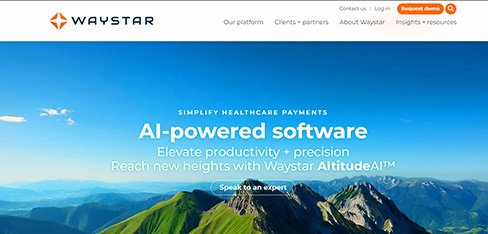
Revenue cycle teams were chained to desktop software while claim denials piled up unnoticed. UX Stalwarts designed a cross-platform experience that puts real-time claim intelligence on every device. Denials dropping 42 percent and $12 million in recovered revenue proved that cross-platform access is not about convenience, it is about catching problems before they cost money.
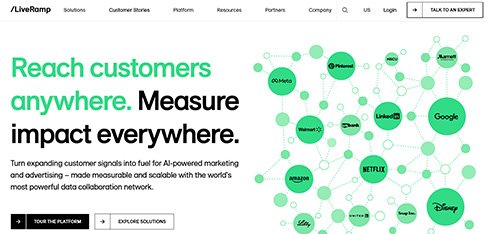
Marketers were stuck at their desktops to manage data connectivity when they needed to work from agencies, client offices, and conference rooms. UX Stalwarts designed a platform that works beautifully on every device and screen size. Productivity jumping 2.6X and non-technical users building audiences independently proved that cross-platform design democratizes data connectivity.
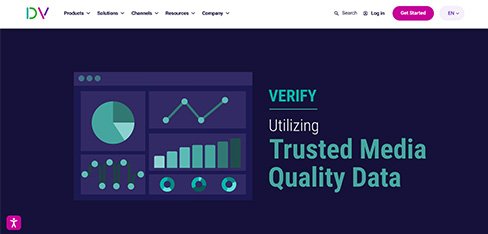
Brand safety crises do not happen during business hours and our teams could only respond from their desktops. UX Stalwarts designed a command center that works everywhere with intelligent prioritization that cuts through alert noise. Response time dropping 68 percent and after-hours coverage jumping to 78 percent means our clients’ brands are protected around the clock.
The questions hybrid app teams ask before choosing a design partner.
Start with framework specificity. A studio that has never shipped a Flutter or React Native app will miss where hybrid apps actually fail during platform-channel edge cases. Candidates among top cross platform app design agencies worth considering bring framework fluency, platform adaptation strategy, and design token discipline rather than generic mobile portfolios. Ask for before-and-after rating numbers segmented by iOS and Android, engineering-reported handoff satisfaction across both platforms, and evidence of framework-aware design choices. Check experience with Flutter ThemeData, React Native styling, or Kotlin Multiplatform shared components. A credible cross platform app design service providers candidate defends decisions to product, mobile engineering, and brand leads simultaneously rather than in isolated meetings. A Best Cross Platform App Design Agency or Cross Platform UI UX Design Agency demonstrates this discipline through references, and a credible cross platform app design company shows segmented before-and-after numbers rather than aggregate vanity metrics.
Pricing for cross platform app design services varies with scope, platform adaptation complexity, and framework choice. A focused audit on an existing hybrid app typically starts in the low five figures. A complete cross platform UI UX design services engagement covering research, platform parity strategy, token system, adaptive screen craft across iOS and Android, and a shared component library usually runs mid-five to six figures. Enterprise cross platform app design programs involving tablet adaptation, Wear OS or Apple Watch extensions, or ongoing optimization reach higher. Cross platform app design service providers pricing depends on platform adaptation scope, framework complexity, localization languages, and post-launch support. Transparent scoping prevents commercial surprises during mobile engineering review cycles. Enterprise Cross Platform App Design Services for regulated programs and standard Cross Platform App Design Services scopes both benefit from milestone-based commercial models that protect engineering review timelines.
Timelines depend on scope and framework choice. A targeted audit with prioritized recommendations typically takes three to four weeks. A single-flow redesign like onboarding or checkout runs six to eight weeks including framework validation. A complete cross platform application design engagement covering discovery, parity strategy, token system, adaptive screen craft, and a documented component library generally runs sixteen to twenty-two weeks. Enterprise rebuilds involving legacy native-to-hybrid migrations or multi-app shared design systems extend further. We scope in two-week milestones aligned with your mobile engineering sprint cadence so product, mobile leads, and brand teams can evaluate progress continuously rather than only at final presentation moments. Reputable cross platform app design firms and a Cross Platform Application Design agency operate this way, and cross platform app design solutions scoped against sprint cadence keep mobile leads aligned across the engagement.
A structured engagement follows six sequential phases. First, framework discovery maps engineering stack, device mix, and shared-codebase economics. Second, platform parity strategy assigns every element to shared, adapted, or platform-exclusive treatment deliberately. Third, token system defines colors, spacing, typography, motion, and elevation for Flutter ThemeData or React Native styling consumption. Fourth, adaptive screen craft produces high-fidelity iOS and Android variants with shared templates where parity wins. Fifth, framework validation reviews designs with Flutter or React Native engineering leads. Sixth, post-launch iteration tracks metrics across both platforms. This reflects best practices for cross platform UI UX drawn from shipped engagements rather than generic framework marketing claims. Cross Platform Mobile App UI Design Services and Cross Platform UX Design firms following this six-phase structure deliver cleaner handoffs than studios relying on ad-hoc workflows, and Cross Platform Mobile UI Design Services scoped this way ship with fewer rework cycles.
Three things separate our cross-platform work. First, framework reality as design input. Flutter and React Native render differently, and our designs acknowledge these differences from first wireframe. Second, parity versus divergence craft. Every element gets assigned to shared, adapted, or exclusive treatment deliberately rather than defaulting to identical screens that feel wrong on one platform. Third, honest framework fit assessment. We recommend native, hybrid, or cross-platform based on product fit rather than our own framework preferences. A proven app UI UX design company applying these commitments consistently appears on shortlists when teams evaluate partners. Portfolio polish alone rarely reveals whether a studio has shipped Flutter or React Native apps through production. A Top Cross Platform Mobile App Design Agency or Cross Platform App Interface Design Agency that ships Flutter and React Native apps regularly is rare, and a Cross Platform Mobile App Design Agency with this track record warrants serious consideration.
Starting is deliberately lightweight. A brief discovery call covers product stage, framework choice or openness, target platform mix, engineering team composition, known pain points, and desired outcomes. Within five working days you receive a scoped proposal covering phased milestones aligned with your sprint cadence, deliverable samples, team composition, timeline, and commercial terms. A paid pilot sprint focused on one high-leverage surface like onboarding is available for teams wanting to test chemistry before committing to full engagement. Most clients move from first conversation to kickoff within two weeks. You can begin with a short enquiry, share framework documentation under NDA, or explore related capabilities through our broader UX design services page as a starting reference. Teams looking to Hire Cross Platform App Designer talent or Hire Cross Platform UI UX Designer support can request our framework comparison document during this initial conversation, and a Cross Platform Product Design company evaluation usually follows once scope is defined.
Several adjacent capabilities compound the impact of cross-platform product design. A mature design system accelerates every new feature release and protects consistency across iOS, Android, web, and marketing surfaces built from a single token source. Conversion rate optimization sharpens acquisition and activation funnel performance through continuous A/B testing across both platforms simultaneously. SaaS app design agency work pairs with hybrid product design when cross-platform apps serve B2B customers. Dedicated usability testing, accessibility audits, and motion design for state transitions complement core work. Hybrid mobile app design agency engagements also benefit from ongoing component library stewardship across releases. Cross Platform Product Design Services and Cross Platform UI UX Design Agencies offering these adjacencies under one roof reduce vendor coordination overhead, and Cross Platform App Redesign Services round out the program for teams modernizing legacy hybrid apps.
Every engagement is scoped around the specific product, not a template. A consumer fintech app has different platform adaptation needs than an enterprise field service tool. A media streaming app requires different performance attention than a simple business utility. A social app demands deeper platform adaptation than a B2B admin dashboard. Our multi platform app design adapts across lifestyle, finance, commerce, productivity, media, and enterprise categories. Framework choice also shapes the engagement; Flutter apps benefit from custom widget design while React Native apps leverage native components more directly. Discovery produces a custom engagement plan accounting for framework, platform adaptation depth, and audience expectations specific to your product roadmap. Reviewing several cross platform app design companies and Cross Platform Mobile UI Design solutions side by side surfaces fit faster than proposals alone, and Cross Platform Product Design Services scoped against your category sharpen the comparison further.
Yes, and it is where meaningful cross-platform wins show up over time. After launch, real user behavior often differs from research predictions in small but important ways, and differences between iOS and Android cohorts can surface late. Retainer options cover ongoing design iteration, component library expansion, framework version upgrades as Flutter and React Native release new major versions, new feature releases across both platforms simultaneously, and accessibility improvements. A dedicated hybrid mobile app design agency partnership keeps that rhythm consistent through evolving framework capabilities. Remote validation plays a central role in retainer work, covered in our guide to remote usability testing for distributed iOS and Android user cohorts. Cross Platform App Redesign Services and Cross Platform Mobile UI Design Services often emerge as retainer focus areas once launch metrics stabilize, and reputable cross platform mobile app design firms structure these renewals around measurable rating improvement.
Coverage spans consumer lifestyle, fintech, productivity, content platforms, commerce, media, education, health, and enterprise mobile tools. Clients range from pre-launch founders to established brands across India, the United States, the United Kingdom, the GCC, and Southeast Asia. A regionally experienced team understands that Indian markets combine entry-level device performance concerns with mass cross-platform adoption, US markets prioritize subscription visual clarity across iOS and Android, GCC markets increasingly require Arabic-first interfaces with right-to-left layouts built into shared codebases, and SEA markets mix budget and flagship device realities simultaneously. India delivery advantages make us a strong option for global founders seeking best UI UX agency for cross platform apps experience alongside cost efficiency. India-based cross platform mobile app design firms compete globally on craft, and teams designing cross platform mobile apps for multi-region launches benefit from a cross platform mobile app design company fluent in localization-first system design.
Cross platform vs native app design trade-offs are real and deserve honest assessment. Cross-platform wins on engineering velocity, single-codebase maintenance, and time-to-market for products where platform convention can flex. Native wins where platform integration runs deep, performance is critical, or user expectations are high on platform-native feel. Benefits of cross platform app design include shared codebase economics, design system efficiency, and faster cross-platform feature parity. Native benefits include access to platform-specific APIs, better performance for graphics-intensive tasks, and deeper HIG or Material alignment. Most products sit between these poles; the right answer depends on specific audience expectations and engineering constraints your team actually faces. Teams designing cross platform mobile apps at production scale weigh these trade-offs in detail, and a cross platform mobile app design company with Flutter and React Native experience helps map the decision against your roadmap, the way mature Cross Platform UX Design firms approach the same conversation.
Accessibility shapes design inputs rather than post-launch patches. Flutter and React Native both support platform accessibility APIs but require deliberate implementation. Color contrast meets WCAG standards while aligning with both Apple and Google aesthetic systems. Typography scales support iOS Dynamic Type and Android font scale through token-based theming. Touch targets respect minimum sizes across platforms. Motion systems respect both iOS Reduce Motion and Android motion preferences. Our article on UX accessibility audits covers broader inclusive thinking. Accessible hybrid apps reach wider audiences, earn editorial features on both Apple and Google platforms, and protect against policy shifts both companies tighten regularly. Cross Platform App UI Design firms and Cross Platform UI UX Design Agencies treating accessibility as upstream design input protect ratings across both stores, and Cross Platform Mobile App UI Design Services scoped this way reach wider audiences from launch.
International cross-platform launches demand careful token and system planning. Font rendering for CJK and Indic scripts, right-to-left layout support for Arabic and Hebrew, text expansion for German and Russian, and cultural symbol sensitivity all affect shared codebases more severely than native apps. Our article on multi-language interface design for global platforms covers broader approach. Trends in cross platform app design increasingly favor localization-first design from day one because retrofitting multi-language support across Flutter or React Native codebases costs more than designing expansion-tolerant layouts from initial wireframes. Shared codebases amplify localization mistakes. A Cross Platform Mobile App Design Agency or experienced cross platform app design company supporting localization across Flutter and React Native from day one delivers measurably better launches in non-English markets, and Cross Platform Application Design agency teams familiar with right-to-left layouts ship cleaner releases.
Yes. Cross-platform design systems carry specific requirements beyond generic product systems. Components must map cleanly to Flutter ThemeData or React Native styling, handle platform-adaptive variants for shared versus divergent elements, support Dark Mode and dynamic color, respect accessibility scaling across both platforms, and tolerate localization expansion. Our system engagements produce tokenized foundations, a production-ready component library, documented accessibility behavior, animation patterns aligned with framework capabilities, and handoff kits that reduce engineering rework meaningfully. For apps with multi-year roadmaps, long-term stewardship matters, which we cover in our article on design system governance. A Best Cross Platform App Design Agency or Top Cross Platform Mobile App Design Agency stewarding a hybrid design system long term protects investment across framework version cycles, and teams often Hire Cross Platform App Designer leads to maintain that rhythm internally.
Measurement begins before design. During discovery we capture baselines segmented by platform: iOS App Store rating, Android Play Store rating, first-week retention on each platform, activation rate, crash rates, jank reports, and framework-specific performance signals. After launch the same metrics are re-measured at thirty, sixty, and ninety days. Secondary signals include engineering-reported velocity changes, handoff satisfaction, shared component reuse rates, and feature parity achievement across both platforms. Quarterly reviews tie design decisions back to LTV, CAC, and platform-specific rating movement. Measurement discipline across every cross platform app development and design engagement separates cosmetic redesigns from durable hybrid product success across both platforms simultaneously. Across every Enterprise Cross Platform App Design Services engagement, this measurement spine turns design choices into commercial signals rather than aesthetic preferences. Cross Platform UI UX Design Agency and Cross Platform App Interface Design Agency partners that report these numbers transparently earn renewal more reliably. Cross platform app design solutions scoped against measurable metrics outlast cosmetic refreshes, and Hire Cross Platform UI UX Designer arrangements work best when leads own a specific platform metric. Cross Platform App UI Design firms tracking ratings monthly outperform peers, cross platform app design firms aligning measurement with sprint cadence keep leadership informed, cross platform app design companies showing platform-segmented dashboards earn renewal trust, and a Cross Platform Product Design company holding the metric thread together delivers the strongest long-term partnerships. Cross Platform Mobile UI Design solutions, Cross Platform Product Design Services, Cross Platform App Redesign Services for legacy apps, and Cross Platform Mobile App UI Design Services for new launches all benefit from this same measurement spine across iOS and Android cohorts.

C – 81C, Sector – 8, Noida 201301, India


1025 Beamon Drive, Franklin 37064 Tennessee, USA
Sveavagen 34 111 34 Stockholm, Sweden
A-10, Sahastradhara Rd, Doon IT Park, Dehradun, Uttarakhand

© 2026 UX STALWARTS. All rights reserved.