Written explanations of complex products lose readers before the value proposition is clear. Static images cannot demonstrate workflows, show product features in context, or convey the energy of a brand. Sales decks filled with screenshots and bullet points fail to differentiate in crowded markets. Without animated content, organizations rely on attention spans that are already stretched thin, hoping that text and photographs will communicate what only motion and narrative can deliver. The result is longer sales cycles, weaker product comprehension, and marketing campaigns that blend into the background. Animation closes that gap by transforming abstract ideas, technical processes, and brand stories into visual narratives that audiences actually watch, understand, and remember.
UX Stalwarts provides animation design services that span 2D and 3D animation services, explainer video animation services, character animation services, corporate animation services, and UI animation design services for in-product experiences. Every animated deliverable begins with a strategic narrative framework that connects the content to a specific business objective, whether that is reducing sales cycle length, increasing product adoption, improving training retention, or building brand awareness. The production pipeline includes scriptwriting, storyboarding, style frame development, full animation production, voiceover integration, sound design, and multi-format delivery. As a ui ux animation design agency with deep product design expertise, the output bridges the gap that exists when pure video studios produce content without understanding the product or user experience context.
With eighteen years of cross-industry delivery and more than a thousand client engagements, the experience behind every animation project extends beyond visual storytelling. The approach considers brand consistency, audience comprehension, platform requirements, and deployment strategy as integrated parts of every production. Where most animated video production company operations focus solely on creative output without connecting to product or brand strategy, this practice treats animation as a strategic communication tool. That alignment between narrative craft and business context is what separates animated content that gets shared from content that gets ignored, and what makes professional animation services genuinely productive for the organizations that invest in them.

Every animation project starts with the story, not the visual style. Scripts are developed around audience pain points, decision triggers, and value propositions. Storyboards are approved before production begins. This narrative discipline ensures animated content communicates a clear, focused message rather than relying on visual spectacle without substance.

Unlike pure video studios, this practice brings deep UX and product design expertise to every animation engagement. That context means explainer videos accurately represent product workflows, UI animations match actual interface behavior, and corporate content reflects real organizational value rather than generic claims. Product understanding makes the storytelling credible.

Some projects need clean 2D animation services for icon sequences and kinetic typography. Others require photorealistic 3D animation services for product visualization. Character animation services bring brand mascots and training scenarios to life. The team delivers across all techniques, selecting the right approach for each communication need.

Animated content that contradicts brand guidelines does more harm than no animation at all. Every color choice, typography treatment, illustration style, and transition pattern aligns with your established brand identity. Style frames are validated against brand documentation before production moves forward, ensuring visual coherence across all animated touchpoints.

Final animations arrive ready for deployment across every required channel: high-resolution MP4 for web and presentations, optimized WebM for faster page loading, vertical cuts for social media stories, square formats for feed placements, Lottie JSON for in-product UI sequences, and GIF exports for email campaigns.

The production process includes defined approval gates at script, storyboard, style frame, rough animation, and final cut. Stakeholders review and approve each stage before work advances. This structured approach prevents late-stage surprises, controls revision costs, and ensures the final deliverable reflects the original strategic brief accurately.
When an organization communicates through animation, comprehension speeds increase and retention improves. Research consistently shows that viewers retain visual narratives at significantly higher rates than text-based explanations. Animated explainer content reduces the time prospects need to evaluate a product, shortening sales cycles by giving them self-serve understanding before a single meeting. Training animations reduce onboarding time because employees learn by watching rather than reading documentation. Corporate animation services translate complex operational narratives into digestible stories for investors and stakeholders. The digital animation services behind each project combine storytelling craft with strategic communication expertise, ensuring every frame contributes to a defined business outcome.
Work with a creative animation agency that prioritizes your message.
This structured production method ensures every animated project delivers on its strategic objectives while respecting timelines and budgets.

We define the audience, message hierarchy, platform requirements, brand constraints, and success metrics before any creative work begins. This phase includes competitive landscape review, existing content audit, and stakeholder alignment sessions. The strategic brief produced during discovery becomes the governing document for all subsequent production decisions and approval checkpoints.

A script is developed that translates the strategic brief into a spoken and visual narrative. The script defines what the audience hears, sees, and feels at each moment. Voiceover tone, pacing, and call-to-action placement are specified. Scripts are approved before any visual development begins to prevent costly mid-production narrative changes.

Style frames establish the visual direction: color palette, illustration approach, typography treatment, character design (if applicable), and background environments. Multiple visual directions are presented for stakeholder evaluation. The approved style becomes the production standard. For ui ux animation design agency engagements, this phase also includes interface mockup integration for UI animation sequences.

A full storyboard maps every scene with composition, camera movement, transition type, and timing annotations. An animatic (a timed sequence of storyboard frames with scratch voiceover) is produced to test narrative pacing before full production begins. This step catches structural issues early, saving significant production time and revision costs.

Approved storyboards move into complete animation production. 2D sequences are animated in After Effects, Animate, or Toon Boom. 3D assets are modeled, textured, lit, and rendered in Cinema 4D or Blender. Character rigs are built for projects requiring character animation. Each scene is reviewed against the approved storyboard.

Sound design, professional voiceover recording, music licensing, and audio mixing are completed during post-production. Color correction and final quality review ensure visual consistency across all scenes. Completed animations are exported in all required formats, organized by platform and resolution. Revision rounds are structured through timestamped feedback for precision and efficiency.
Across more than 1,000 client engagements and diverse industry verticals, explore how strategic animation has delivered measurable communication outcomes.
The narrative approach for a healthcare compliance training video is fundamentally different from a SaaS product explainer or a consumer product launch campaign. Each animation engagement begins with the specific communication challenges, regulatory constraints, and audience sophistication of your sector. From startups needing their first explainer to enterprises scaling animated training programs across global teams, the production approach adapts to match organizational complexity and content volume.
Cross-sector experience spanning financial services, healthcare, education, retail, logistics, SaaS platforms, manufacturing, and government services informs every production decision. When a pharmaceutical company needs compliant animated content for patient education, or when an e-commerce platform requires 3D product visualization that drives purchase confidence, that domain knowledge shapes scripting, visual tone, and delivery specifications. Industry familiarity accelerates production and produces content that resonates with specialized audiences.
When organizations evaluate an animation design agency, visual quality is table stakes. The real differentiator is whether the production partner understands the audience well enough to tell the right story, and whether the deliverables integrate cleanly with broader product and marketing ecosystems. Credibility comes from repeated delivery against those dual standards.
UX Intelligence Behind Every Frame: Animation is produced with product design context, ensuring explainers match real workflows and UI animations reflect actual interface behavior.
End-to-End Under One Roof: Script, storyboard, design, animation, voiceover, sound design, and multi-format export are handled internally without outsourcing any production stage.
Strategic, Not Just Visual: Every animation is mapped to a business metric, ensuring content drives understanding, adoption, or conversion rather than passive viewing.
Each animation project leverages industry-standard production tools selected for creative range, rendering quality, and cross-platform compatibility. Technology choices ensure assets meet broadcast and digital standards.









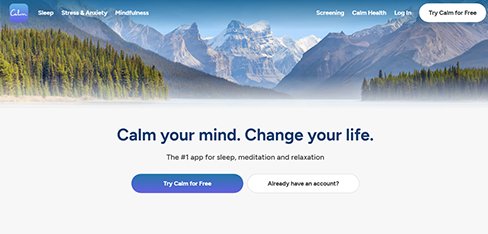
Calm needed differentiation and emotional connection in crowded meditation market. UX Stalwarts created character animation bringing sessions and stories to life. Increasing engagement 189 percent and Sleep Stories completion 234 percent proved animation creates immersion. The subscription conversion increase of 156 percent showed animation drives premium value. This character animation became signature Calm experience.
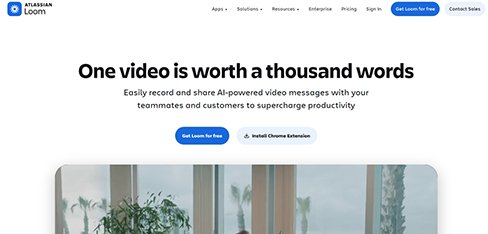
Loom value proposition was hard to explain with text because async video was unfamiliar concept. UX Stalwarts created explainer animation visualizing benefits. Increasing understanding from 23 to 95 percent and conversion from 4.7 to 17.3 percent proved animation communicates better than words. The viral sharing increase of 440 percent showed animated content spreads. This explainer animation became core to Loom go-to-market.
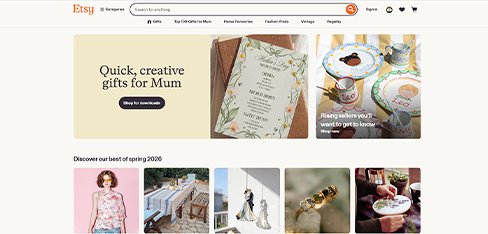
Etsy search processing time felt slow to users hurting conversion. UX Stalwarts created craft-themed loading animations making waits entertaining. Reducing perceived time 83 percent and abandonment from 34 to 8 percent proved entertaining animation beats fast infrastructure. The satisfaction improvement from 4.2 to 8.7 showed loading can be delightful. This animation turned performance weakness into brand strength.
Honest answers to the questions organizations ask before commissioning animated content.
Animation design services encompass the strategic planning, visual development, and production of animated content for business communication. The scope includes 2D animation services for flat illustration-based content like explainers and infographics, 3D animation services for product visualization with depth and realistic rendering, character animation services for mascots and narrative-driven storytelling, corporate animation for investor and internal communications, UI animation for in-product interface feedback, and whiteboard animation for instructional content. A comprehensive animation design agency, including the leading UI UX animation design companies, will handle the full production pipeline from script and storyboard through sound design and multi-format delivery, ensuring every output serves a defined strategic objective as integrated animation design solutions.
Costs vary based on animation style, duration, and production complexity. A 60-second 2D explainer video typically ranges from $4,000 to $15,000. A 60-second 3D product animation ranges from $10,000 to $35,000 depending on modeling detail and rendering needs. Character animation with custom rigging adds to the cost based on the number of characters and scene complexity. Affordable animation services are available for focused engagements with streamlined production processes from the best animation design firms, particularly for startups and early-stage companies. Enterprise-scale projects involving multiple videos, brand guidelines integration, and multi-language localization typically range from $25,000 to $100,000 or more depending on content volume and the best animation design services agencies engaged.
2D animation uses flat visual elements like illustrations, icons, and typography animated on a two-dimensional plane. It excels at explaining abstract concepts, processes, and data through clean visual storytelling and is typically faster and more cost-effective to produce. 3D animation adds spatial depth, realistic materials, lighting, and perspective, creating content with physical weight and immersive quality. It works best for product showcases, architectural visualization, and scenarios where photorealistic representation builds credibility. Many projects benefit from combining both: using 2D for conceptual explanations and 3D for product close-ups. Your choice depends on the subject matter, audience expectations, and budget parameters when scoping 2D and 3D animation services.
A standard 60-second 2D animated explainer typically requires four to six weeks from briefing to final delivery. A 60-second 3D animation may take six to ten weeks due to additional modeling, texturing, and rendering time. Shorter UI animation sequences for product interfaces can be completed in two to three weeks. Timelines depend on script complexity, stakeholder approval speed, revision cycles, and the number of delivery formats required. Projects with established brand guidelines and pre-approved scripts move significantly faster. Rush production is possible for time-sensitive launches but works best when strategic decisions like narrative direction and visual style are already confirmed with your animated video production company.
Explainer video animation services produce short animated videos, typically 60 to 120 seconds, designed to communicate a product, service, or concept clearly and concisely. Organizations should invest when their offering is difficult to explain through text or static images, when sales teams spend excessive time educating prospects, when onboarding new users is slow due to feature complexity, or when existing marketing content fails to differentiate from competitors. Effective explainers reduce sales cycle length by enabling prospects to understand the value proposition independently. They also improve website conversion rates because visitors who watch explainer content engage more deeply than those who only read when backed by professional animation services.
Character animation involves designing and animating illustrated or modeled characters that act out narratives, demonstrate scenarios, or represent user personas. It is the right choice when you need to humanize technical content, create empathetic training scenarios, build a recognizable brand mascot, or tell a story that requires emotional connection. Character animation services are particularly effective for healthcare patient education, employee onboarding, children’s education platforms, and consumer brands that benefit from a friendly, relatable visual presence. The investment is higher than icon-based animation because characters require custom design, rigging, and performance-level animation to feel believable and engaging alongside supporting motion graphics services.
An animation design agency focuses on creating animated content from illustrated or modeled assets, producing everything from concept to final render without live-action filming. A video production company focuses on capturing real-world footage using cameras, lighting, and on-location production. Some projects combine both, using live-action footage with animated overlays or motion graphics. For product explainers, UI demonstrations, conceptual storytelling, and brand content where live-action is impractical or visually limiting, a dedicated animation design agency is the stronger choice. The distinction matters because the creative process, tooling, team composition, and production timelines differ substantially between the two disciplines when selecting a creative animation agency.
Corporate animation services produce content for internal and stakeholder audiences, including investor presentations, annual report summaries, training modules, compliance walkthroughs, and internal communication videos. The tone is typically formal, data-focused, and aligned with organizational messaging standards. Marketing animation targets external audiences, including prospects and customers, with content designed to attract attention, build awareness, and drive conversion. The visual energy, pacing, and call-to-action structure differ between the two. Both require strategic alignment with organizational goals, but corporate content prioritizes clarity and compliance while marketing content prioritizes engagement and differentiation. Many organizations need both types produced with consistent brand alignment through animation design consultancy services.
Yes. For product interfaces, animations are delivered as Lottie JSON files, CSS animations, or framework-specific code for direct integration into web, iOS, and Android environments. For websites, animated content can be embedded as optimized video files, lightweight Lottie sequences, or interactive SVG elements. Animations intended for product integration are specified with trigger conditions, duration values, and performance requirements to ensure smooth implementation. For organizations seeking to integrate animation into their digital products alongside broader interface improvements, our motion design services provide the systematic motion framework that governs how animation behaves across the full product experience through dedicated UI animation design services.
A ui ux animation design agency brings user experience expertise to animation production. This means animations for product interfaces are designed based on user research, interaction patterns, and usability principles rather than visual instinct alone. Explainer videos reflect actual product workflows because the team understands how users navigate the software. Brand animations align with design system standards because the same team often builds those systems. Traditional animation studios produce visually impressive content but may lack the product context needed to create animations that accurately represent interface behavior or connect meaningfully to user journeys and conversion funnels that the best UI UX animation design companies prioritize.
Brand alignment is embedded into the production process from the discovery phase. Existing brand guidelines, color systems, typography rules, illustration standards, and tone-of-voice documentation are reviewed and documented before any creative work begins. Style frames are then created as visual tests that demonstrate how animated content will interpret the brand. These frames are approved before full production starts. For organizations without established brand guidelines, the production process includes a visual direction phase that creates foundational standards the animation will follow. For comprehensive brand foundation work, our brand identity services establish the visual and verbal standards that all downstream animation respects as cohesive animation design solutions.
Yes, and the key is strategic scope management rather than corner-cutting. Affordable animation services are achieved through focused content planning: prioritizing the most impactful message, selecting the right animation style for the budget (2D is typically more efficient than 3D), streamlining revision processes through structured approval stages, and repurposing core assets across multiple deliverables. A 60-second 2D explainer does not need a six-figure budget to communicate effectively. What it does need is a clear script, purposeful visuals, and professional production standards. The goal is to maximize communication impact within a defined investment rather than reducing quality to fit an arbitrary price point, a principle the best animation design services agencies and best animation design firms apply consistently.
Every industry with a communication challenge benefits from animation, but the impact is most measurable in sectors with complex products, regulatory constraints, or audiences that require visual demonstration. SaaS and technology companies use explainers to accelerate product understanding. Healthcare organizations rely on patient education animation for compliance and comprehension. Financial services leverage animated infographics for investor communication. Education technology platforms use animation for engagement and knowledge retention. E-commerce brands benefit from 3D product visualization that static photography cannot deliver. Manufacturing and engineering firms use technical animation for training and safety documentation. Government agencies use animation for public communication and digital service onboarding guided by animation design consultancy services.
Voiceover is recorded with professional voice talent selected to match the desired tone, pace, and audience. Scripts are recorded after animation approval to ensure the vocal performance synchronizes with visual timing. Sound design adds purposeful audio cues that reinforce on-screen actions, from subtle transitions to character-specific effects. Music is sourced from licensed libraries or composed to specification, depending on project requirements. Audio mixing ensures balanced levels across voiceover, sound effects, and music. For projects requiring prototyping and usability validation before final animation, motion graphics services prototypes are tested with placeholder audio to verify narrative timing before full voiceover production.
Getting started requires a conversation about your goals, audience, platforms, timeline, and budget range. Helpful materials include brand guidelines, product screenshots or demos, existing marketing content, competitor references, and any previous animation work. From there, a scope proposal outlines recommended deliverables, timeline, production phases, and investment. Organizations that have never commissioned animation before receive guidance on the entire process, from script development through final delivery. For teams evaluating the broader business case for animated content, our insights on quantifying design ROI provide a useful framework for connecting animation investments to measurable business outcomes.

C – 81C, Sector – 8, Noida 201301, India


1025 Beamon Drive, Franklin 37064 Tennessee, USA
Sveavagen 34 111 34 Stockholm, Sweden
A-10, Sahastradhara Rd, Doon IT Park, Dehradun, Uttarakhand

© 2026 UX STALWARTS. All rights reserved.