iOS apps fail in Apple-specific moments. A launch screen takes too long and triggers App Store review rejection during TestFlight. A settings panel ignores Dynamic Type and cuts off text for accessibility users. A signup flow asks for personal data before App Tracking Transparency prompts and loses user consent. A widget looks rushed because the team treated it as an afterthought to the main app. Weak ios app design shows up as low App Store ratings, App Tracking Transparency opt-in rates below industry benchmark, Apple review rejections that delay launches, and activation numbers that never match the acquisition spend finance teams approved for the quarter. On iOS, design decisions touch discovery, first impression, and ecosystem coherence simultaneously in ways that compound quickly.
Our approach treats iOS as a complete ecosystem, not a single iPhone screen. Before any artboard is produced, our team studies the full Apple device context where your app will live, including iPhone, iPad, Apple Watch, widgets, Live Activities, App Clips, and emerging Vision surfaces. Target users, App Store category dynamics, Apple Human Interface Guidelines, and SwiftUI or UIKit realities shape every decision. From there we deliver research-backed information architecture, native iOS flows, component libraries built on SF Symbols and SF Pro, accessibility-compliant layouts, and handoff files ready for Xcode integration. As a specialized ios app design agency, we engineer the moments that shape Apple users’ daily experience: first launch, authentication, permissions, core loop, and ecosystem extension.
Eighteen years of design work across thirty-plus countries gives our team practical fluency in how Apple users expect products to behave across different contexts and regions. UX Stalwarts has partnered with early-stage founders shipping first App Store submissions and with established brands modernizing aging iOS apps after years of incremental patches. Our designers study Apple’s WWDC sessions annually, collaborate with iOS engineers daily, work alongside privacy and compliance teams, and speak the vocabulary of SwiftUI bindings, ViewModifiers, Dynamic Type categories, haptic feedback types, privacy manifests, and the App Store review rhythms that every launching team eventually encounters. That grounding separates a generic mobile portfolio from an iPhone app design company genuinely capable of shipping apps Apple itself features.

Apple Human Interface Guidelines are treated as design input rather than post-launch audit. Navigation patterns, typography, spacing rhythms, and gesture behaviors follow platform conventions by default. Users feel immediate familiarity and App Store reviewers recognize the care, which translates into faster review approvals and stronger organic ratings over time.

Modern iOS apps live across iPhone, iPad, Apple Watch, Vision Pro, widgets, Live Activities, Lock Screen moments, and App Clips. Our designs extend across these surfaces as considered products rather than afterthoughts, so ecosystem users experience your brand as a coherent presence across every Apple device they use daily.

Apple’s privacy expectations have become design inputs, not compliance chores. App Tracking Transparency prompts, privacy nutrition labels, on-device intelligence explanations, and permission timing are designed with deliberate intent. Users grant permissions more often when the reason is clear, which lifts personalization quality without sacrificing Apple’s expected privacy posture.

VoiceOver navigation, Dynamic Type scaling, Reduce Motion respect, Increase Contrast support, and Switch Control compatibility are designed in rather than patched later. Accessible iOS apps reach wider audiences, earn Apple editorial features more often, and defend against App Store policy shifts that Apple has consistently tightened around accessibility requirements.

Modern iOS work spans SwiftUI adoption, UIKit maintenance, and hybrid migrations. Our designs account for each framework’s realities so handoff lands cleanly in Xcode. Custom controls, navigation patterns, and animation specifications respect what each framework does well, reducing engineering rework during sprint cycles that developers appreciate deeply.

App Store review is a design moment disguised as engineering. Our work includes launch-screen compliance, metadata design alignment, privacy manifest review, and App Store screenshot direction so submissions clear review faster. Engineering teams avoid the painful cycle of rejection, rework, and resubmission that delays coordinated marketing launches significantly.
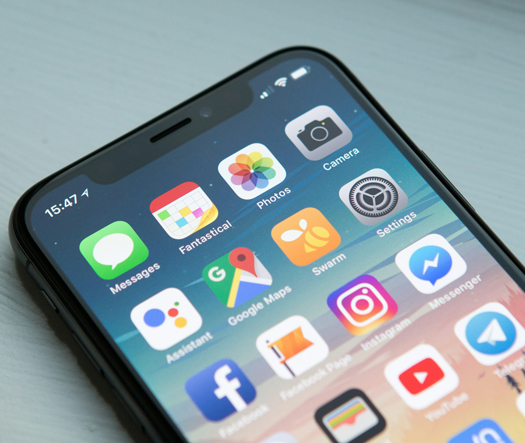
iOS interfaces carry measurable consequences across App Store economics and ecosystem reputation. A cluttered home tab collapses daily active usage. A rushed settings panel drives one-star reviews over accessibility issues. A confusing permission prompt tanks App Tracking Transparency opt-in rates. Strong ios mobile app design shifts metrics that compound: App Store rating averages climb, editorial feature chances rise, activation rates improve, and subscription conversion grows through interfaces Apple users instinctively trust. A thoughtful ios ui ux design partner understands Apple’s platform philosophy, ecosystem continuity, and the quiet moments where design decisions either earn user loyalty or drive users toward cross-platform competitors who respect iOS conventions better.
Partner with specialists who design iOS apps worthy of App Store features.
Every engagement follows a deliberate sequence built to respect Apple conventions, protect user privacy, and clear App Store review cleanly every submission.

We begin by mapping the Apple reality around your product: target user segments, competitive App Store category analysis, Apple Human Interface Guidelines relevance to your category, framework decisions between SwiftUI and UIKit, and ecosystem extension opportunities. Existing analytics, App Store review patterns, and competitor App Store pages establish the measurable baseline every design decision must improve.

iOS users bring specific expectations. We map mobile app user journey flows with Apple conventions in mind: first-launch, permissions, Sign in with Apple, tab navigation, search behavior, and iCloud sync touchpoints. Emotional state, device context, and gesture vocabulary are captured per moment so every subsequent screen decision respects how Apple users actually navigate their devices daily.

iOS apps need a clear visual grammar aligned with Apple’s platform language. Typography hierarchy built on SF Pro with Dynamic Type compliance, iconography based on SF Symbols, color systems respecting Light and Dark Mode, and motion principles matching Apple’s spring curves are codified into a system. Haptic feedback types, sound design, and accessibility roles are documented before individual screens are detailed.

High-fidelity iPhone and iPad screens, Apple Watch surfaces, widgets, Live Activities, and App Clip experiences ship alongside a design system for ios apps tuned to Apple’s platform requirements. Figma app design files use Apple’s spacing tokens, typography scales, and component behaviors so handoff lands cleanly in Xcode. Accessibility states, Dark Mode variants, and localization expansion budgets are documented explicitly per component.

Designs are validated on real devices across the Apple range your audience actually uses, from older iPhone SE to current iPhone Pro Max, iPad Mini to iPad Pro, and Apple Watch Series across sizes. Usability testing for mobile apps runs through TestFlight with real target users, covering accessibility, privacy prompt clarity, and gesture discoverability. Findings drive documented revisions before App Store submission.

Post-launch, App Store analytics and Apple-specific metrics guide refinement. App Store rating trends, App Tracking Transparency opt-in rates, subscription conversion, TestFlight beta feedback, and crash-related UX issues are monitored against the Phase One baseline. Where gaps emerge, revisions ship aligned with Apple’s SDK release cycles and annual WWDC updates so the app stays current without falling behind platform conventions.
Drawn from over one thousand engagements, these projects reflect measurable outcomes across iPhone, iPad, and Apple ecosystem apps launched globally across App Store regions.
Foundational values behind every iOS engagement are Apple convention respect, privacy discipline, and ecosystem coherence. Teams evaluating top ios app design companies weigh Apple-specific fluency against execution speed, and both matter in real iOS work. From founders preparing first App Store submissions to established brands modernizing long-running iOS apps, our team operates across the maturity spectrum. Design decisions balance immediate user needs against the architectural runway required for iOS updates and new Apple platform launches.
Industry coverage spans consumer lifestyle apps, health and fitness, finance and banking, productivity, social and communication, commerce, travel, media and entertainment, and enterprise field apps. Our ios app ui ux design services extend across consumer free, freemium, subscription, and enterprise distribution models. Pattern transfer from custom ios app ui design engagements across categories sharpens decisions on whether ios product design services should emphasize ecosystem extension or core iPhone polish based on audience behavior and App Store category dynamics specifically.

Choosing the best ios app design agency india offers or comparing global options comes down to Apple platform fit, not reputation alone. UX Stalwarts has been cited in mobile development publications, shortlisted for international design awards, and referenced in Apple ecosystem case studies because the output lifts App Store ratings, subscription conversion, and accessibility coverage rather than just refreshing visual style for launch screenshots.
HIG Fluency As Default: Apple’s design philosophy shapes every decision from first wireframe, so interfaces feel native to iOS users without requiring expensive rework during App Store review.
Ecosystem Continuity Craft: Widgets, Watch, iPad, and Vision surfaces extend the core app as considered experiences rather than afterthoughts, giving brands a coherent presence across every Apple device.
Privacy As Design Input: Apple’s privacy expectations shape permission timing, data minimization, and on-device intelligence patterns rather than being treated as compliance chores added during final review.
Our studio uses category-leading tools selected for Apple-native handoff speed, accessibility testing integration, and ecosystem prototyping across every professional ios app designers engagement and ios ui design company project we deliver.









Our security app was powerful but our iOS rating was embarrassing. UX Stalwarts redesigned around Apple’s design principles with native widgets, Live Activities, and instant camera loading. Going from 3.4 to 4.8 stars and daily sessions more than doubling proved that iOS-native design is not just polish, it is a competitive advantage in smart home.
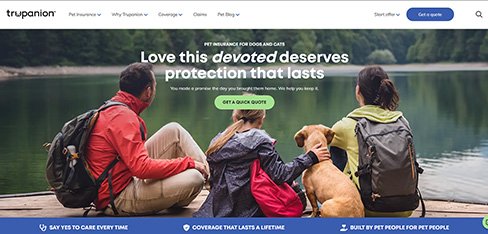
We were a digital insurance company without a mobile app. UX Stalwarts designed an iOS experience that makes Trupanion feel like a pet health companion, not just an insurer. 340,000 downloads in 90 days and claims submission dropping to 45 seconds proved that pet parents are eager for digital health management when the experience is right.
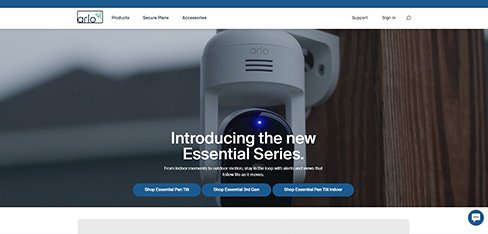
Our cameras were great but the app was not compelling enough to check daily, which made subscriptions feel wasteful. UX Stalwarts designed an iOS experience with instant viewing, AI intelligence, and Apple ecosystem integration that makes security monitoring habitual. Daily engagement nearly tripling and subscription retention improving 24 percent proved that the app is the product, not the camera.
The questions iOS product leaders ask before choosing a design partner.
Start with Apple platform specificity. A studio that has never shipped an App Store submission or an Apple Watch companion app will miss where iOS apps actually fail during review. Candidates among top ios app design companies worth considering bring Apple ecosystem fluency across iPhone, iPad, Watch, Vision, widgets, and Live Activities rather than generic mobile portfolios. Ask for before-and-after App Store rating numbers, editorial feature outcomes, and App Tracking Transparency opt-in improvements rather than aesthetic case studies. Check experience with SwiftUI and UIKit handoff realities. A credible partner evaluated as best ios app design agency india or global option defends decisions to product, engineering, privacy, and App Store marketing leads in one meeting. Best ios app design firms qualify too.
Pricing for ios app design services varies with scope, ecosystem extension count, and Apple platform breadth. A focused audit or ios app interface optimization engagement on an existing product typically starts in the low five figures. A complete ios app ui ux design services engagement covering research, user journey mapping, HIG-aligned interface grammar, screen craft across iPhone and iPad, and a design system for ios apps usually runs mid-five to six figures. Enterprise programs involving Apple Watch, Vision Pro, widgets, Live Activities, and App Clip extensions reach higher. Ios ui ux design services pricing depends on device scope, accessibility requirements, localization languages, and post-launch support. Transparent scoping prevents commercial surprises. Ios mobile app design solutions, ios app design solutions price similarly.
Timelines depend on scope and ecosystem breadth. A targeted ios app design process audit with prioritized recommendations typically takes three to four weeks. A single-surface redesign like onboarding or subscription flow runs eight to ten weeks including TestFlight validation. A complete mobile app design services for ios engagement covering discovery, journey mapping, interface grammar, screen craft, and a documented component library generally runs sixteen to twenty-two weeks. Multi-surface programs covering iPhone, iPad, Apple Watch, widgets, and Live Activities extend further. We scope in two-week milestones aligned with your sprint cadence so product, engineering, and App Store marketing teams can evaluate progress continuously alongside Apple review planning. Ios app designers, ios app design company, ios mobile app design software extend timing.
A structured engagement follows six sequential phases. First, platform discovery collects Apple category analysis, framework decisions, and ecosystem extension scope. Second, user journey mapping documents first-launch, permissions, core loop, and ecosystem touchpoints. Third, interface grammar codifies typography on SF Pro, iconography through SF Symbols, color systems for Light and Dark Mode, and motion principles matching Apple. Fourth, screen craft produces high-fidelity iPhone, iPad, Watch, and widget surfaces against a component library. Fifth, TestFlight validation tests designs on real Apple devices with target users. Sixth, post-launch iteration tracks App Store metrics and ships refinements. This reflects ios ux design best practices and iphone app design guidelines applied rigorously. Ios app design services through iOS App Design agencies, ios app ui design agencies.
Three things separate our iOS work. First, HIG fluency as default. Apple’s design philosophy shapes every decision from first wireframe rather than being checked at the end. Second, ecosystem continuity craft. Widgets, Watch, iPad, and Vision surfaces are designed as considered extensions rather than afterthoughts. Third, privacy as design input. App Tracking Transparency, privacy manifests, and on-device intelligence patterns shape decisions early. A proven iphone app design company partnership applying these commitments consistently appears on shortlists when teams evaluate partners. Portfolio polish alone rarely reveals whether a studio has actually shipped apps through App Store review, earned editorial features, or supported multi-year iOS platform evolution across annual Apple releases. iOS App UI UX Design solutions and iOS Mobile App Design firms differ here.
Starting is deliberately lightweight. A brief discovery call covers product stage, Apple platform scope, ecosystem extension ambitions, known pain points, and desired outcomes. Within five working days you receive a scoped proposal covering phased milestones aligned with your Apple review planning, deliverable samples, team composition, timeline, and commercial terms. A paid pilot sprint focused on one high-leverage surface like onboarding or subscription design is available for teams wanting to test chemistry before committing to larger work. Most clients move from first conversation to kickoff within two weeks. You can begin with a short enquiry, share App Store analytics under NDA, or explore related capabilities through our broader UX design services page. Hire iOS App Designer.
Several adjacent capabilities compound the impact of iOS product design. A mature design system accelerates every iOS feature release and protects consistency across iPhone, iPad, Watch, Vision, web, and marketing surfaces. Conversion rate optimization sharpens subscription funnel performance through continuous A/B testing on onboarding and paywall flows. Interaction design and motion work pair closely with Apple’s animation expectations. Figma app design workflows paired with SwiftUI-aware handoff reduce engineering rework. Selection depends on stage; early-stage iOS founders prioritize first-submission readiness, while mature apps gain more from optimization and ecosystem extension work over annual Apple platform cycles that WWDC announces each June. iOS App UX Consulting Services, iOS UI Design Agencies, iOS UX Design Companies, iOS UX Design Company, Hire iOS UI UX Designer.
Every engagement is scoped around the specific iOS product, not a template. A consumer fitness app has different needs than an enterprise field service tool. A subscription media app requires different paywall timing than a freemium productivity app. A premium game demands different onboarding pacing than a utility app. Our ui design for iphone apps adapts across lifestyle, productivity, finance, health, and enterprise categories. Ecosystem extension priorities also differ; a banking app may emphasize Apple Watch complications while a news app prioritizes widgets and Live Activities. Discovery produces a custom engagement plan accounting for App Store category, monetization model, target audience, and ecosystem ambition specific to your product roadmap. Custom iOS App Design Agency, iOS Mobile App UX Design Firm scale.
Yes, and it is usually where meaningful iOS wins show up. After launch, real user behavior often differs from research predictions in small but important ways. Retainer options cover ongoing design iteration, component library expansion, annual iOS update alignment with WWDC releases, seasonal App Store feature submissions, widget and Live Activity expansions, and accessibility improvements across minor updates. Mobile app ui ux trends ios shift annually, so retainer work keeps apps aligned with current Apple direction rather than falling behind. Remote validation plays a central role in retainer work, covered in our guide to remote usability testing that applies equally to distributed iOS test panels recruited across regions. iOS UI UX Design Agency, iOS Mobile App Design Agency cover this.
Coverage spans consumer lifestyle, health and fitness, finance, productivity, social, commerce, travel, media, and enterprise field apps. Clients range from pre-launch founders to established brands across India, the United States, the United Kingdom, the GCC, and Southeast Asia. A regionally experienced team understands that Indian iOS users skew toward mid-range devices requiring performance-aware design, US markets prioritize subscription conversion and subscription management clarity, GCC markets increasingly require Arabic-first interfaces with right-to-left layouts, and SEA markets combine budget device performance concerns with social-first app expectations. India delivery advantages make our team a strong option for global founders seeking best ios app design agency india experience combined with international quality standards. iOS App Product Design Agency, iOS App UI Design Company serve here.
App Store review reflects specific design decisions beyond engineering quality. Our method combines four techniques. First, HIG compliance review happens before engineering starts rather than after submission. Second, privacy prompts and explanations align with Apple’s stated expectations for App Tracking Transparency and permission timing. Third, screenshots, preview videos, and App Store metadata are directed alongside core design so submission materials feel coordinated. Fourth, common rejection triggers like launch screen requirements, subscription disclosure standards, and placeholder content warnings are addressed during design rather than discovered through rejection notices. Mobile app ui ux trends ios evolve with each Apple announcement, and our process keeps submissions aligned with current expectations. Hire iPhone App Design Agency, ios mobile app designers help submission.
Accessibility shapes design inputs rather than post-launch patches. Before screens are drawn, our team maps Apple’s accessibility expectations: VoiceOver navigation across every interactive element, Dynamic Type across the eleven type-size categories Apple supports, Reduce Motion respect for animation-sensitive users, Increase Contrast handling, Switch Control compatibility, and Guided Access support where appropriate. Color contrast meets WCAG standards while aligning with Apple’s visual system. Our article on UX accessibility audits covers broader inclusive design thinking. Accessible iOS apps earn Apple editorial features more often, widen total addressable market, and avoid App Store policy risks around accessibility requirements that Apple has consistently tightened. Best ios app design firms, ios mobile app design solutions, ios app design solutions, ios mobile app design software.
Cross-border iOS launches demand more than translated strings. Font rendering for CJK and Indic scripts, right-to-left layout support for Arabic and Hebrew, text expansion for German and Russian, and cultural symbol sensitivity vary sharply by market. Apple’s localization tools simplify some of this, but design decisions around icon meaning, imagery, and content-density assumptions still require attention. Our article on multi-language interface design for global platforms covers the broader approach applied consistently. Interaction design ios patterns also shift by region; swipe gestures common in Western markets may need supplementary buttons for older Indian or SEA audiences unfamiliar with discovery-based interactions. Ios app design company, iOS App Design agencies, ios app ui design agencies, iOS App UI UX Design solutions.
Yes. A design system for ios apps carries specific requirements beyond generic product systems. Components must handle SF Symbols integration, Dynamic Type scaling across eleven categories, Light and Dark Mode variants, haptic feedback specifications, localization expansion rules, and Apple’s spring animation curves. Our system engagements produce tokenized foundations, a production-ready component library, documented accessibility behavior, animation patterns aligned with SwiftUI conventions, and handoff kits that reduce engineering rework. For apps with multi-year roadmaps and annual Apple platform updates, long-term stewardship matters, which we cover in our article on design system governance. iOS Mobile App Design firms, Hire iOS App Designer, Hire iOS UI UX Designer, Hire iPhone App Design Agency, iOS App UX Consulting Services.
Measurement begins before design. During discovery we capture baselines for flows being redesigned: App Store rating trends, first-week retention, activation rate, App Tracking Transparency opt-in rate, subscription conversion, and support ticket categories. After launch the same metrics are re-measured at thirty, sixty, and ninety days, and across every iOS version update. Secondary signals include TestFlight beta feedback, editorial feature chances, accessibility setting adoption, and crash-related UX issues. Quarterly reviews tie design decisions back to LTV, CAC, and App Store rank movement across target categories. Measurement discipline across every ios app design engagement separates cosmetic redesigns from durable Apple ecosystem success over multiple platform generations. iOS UI Design Agencies, iOS UX Design Companies, iOS UX Design Company, Custom iOS App Design Agency, iOS Mobile App UX Design Firm, iOS UI UX Design Agency, iOS Mobile App Design Agency, iOS App Product Design Agency, iOS App UI Design Company, ios mobile app designers.

C – 81C, Sector – 8, Noida 201301, India


1025 Beamon Drive, Franklin 37064 Tennessee, USA
Sveavagen 34 111 34 Stockholm, Sweden
A-10, Sahastradhara Rd, Doon IT Park, Dehradun, Uttarakhand

© 2026 UX STALWARTS. All rights reserved.