Streaming platforms fail in thirty-second decisions. A viewer opens an app, scrolls a home rail, cannot find anything compelling, and jumps to a competitor. A TV remote takes six clicks to resume last night’s episode. A preroll ad breaks trust before content even starts. A payment flow asks for information the regional viewer considers unusual and abandons the signup. Weak streaming platform design shows up as dropping average view time, subscriber churn spikes at contract renewal months, rising ad-skip rates on AVOD tiers, and content-investment ROI gaps that look terrible in quarterly earnings reviews. In streaming, every interface decision across discovery, playback, and billing compounds directly into retention and revenue economics that the entire company depends on.
Our approach treats streaming as a multi-device viewing ecosystem rather than a catalog with a player attached. Before any screen is produced, our team studies viewer content-discovery behavior, cross-device watching patterns, monetization model expectations, regional content preferences, and the operational realities of studios managing rights, localization, and live events. From there we deliver research-backed information architecture, discovery rails, detail pages, player interfaces, watchlist and profile systems, payment flows, admin studio tools, and component libraries tuned for dense content and multi-platform delivery. As a specialized OTT platform UI UX design partner, we engineer the moments that decide retention: first session, resume playback, episode transition, renewal decision, and live-event experience.
Eighteen years of design work across thirty-plus countries gives our team real fluency in how viewers consume content across very different cultural, infrastructural, and commercial contexts. UX Stalwarts has partnered with early-stage streaming founders launching regional services and with established operators modernizing aging TV applications across LG webOS, Samsung Tizen, Android TV, tvOS, and Roku. Our designers read video industry research, study content performance dashboards, collaborate with player engineers, and speak the vocabulary of manifest files, multi-DRM, ad insertion, CDN behavior, content rights, EPG, rails, and the specific failure modes that kill viewer sessions silently. That grounding separates decorative mockups from a streaming platform design services partner genuinely capable of shifting retention numbers operators actually measure.

TV apps live or die on remote-control navigation. Our team designs with focus management, readable typography at living-room distance, and efficient D-pad patterns as core concerns. Interfaces feel natural on a remote, not painful compromises of mobile designs forced onto a screen ten feet away from the viewer.

Viewers start episodes on phones during commutes and finish on TVs at night. Our designs engineer cross-device resume, watchlist sync, profile recognition, and viewing-history continuity as first-class concerns. Handoffs between devices feel invisible because they were designed deliberately rather than patched together during post-launch review cycles.

Content discovery is the hardest problem in streaming. Our rail structures, recommendation surfaces, search patterns, and category hierarchies are validated against real viewer behavior. Personalization signals are shown honestly rather than hidden, so viewers trust the recommendations they see and return to the platform confidently.

Playback controls, scrubbing behavior, caption quality, multi-audio switching, and ad insertion transitions shape viewer trust daily. Our player interfaces respect frame timing, accessibility expectations, and live-streaming edge cases. Viewers never lose playback position to a clumsy control panel, and ad breaks feel less intrusive through deliberate transition design.

SVOD, AVOD, TVOD, FAST, and hybrid tiers each shape interface decisions differently. Our designs adapt cleanly across models without collapsing into either aggressive paywalls or confusing free-versus-paid displays. Viewers understand what they get at each tier, which makes upgrade decisions feel earned rather than forced through dark patterns.

Streaming operators run complex content calendars, rights windows, live-event launches, and seasonal promotions. Our collaboration rhythm supports that operational reality with shared Figma spaces, written design logs, reusable campaign templates, and senior designer access so internal teams extend the system confidently between our direct engagement cycles.
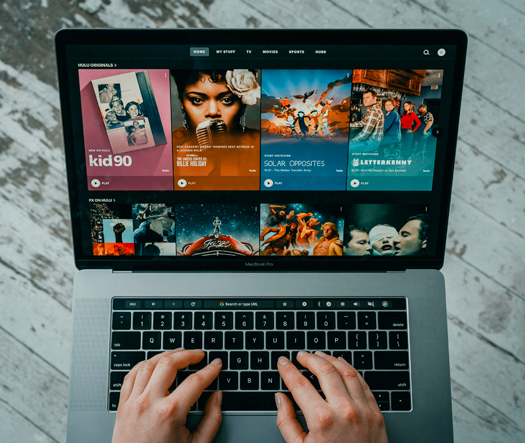
Streaming interfaces carry measurable commercial consequences. A cluttered home screen drops average session length. A slow TV app pushes viewers to competitors that render faster. A confusing payment flow stalls signup conversion. Strong streaming platform UX services shift metrics that actually compound: average view time grows, churn moves below industry benchmark, first-week retention improves, and ad-tier viewers tolerate sponsorship because transitions feel respectful. A thoughtful OTT app UI UX design partner understands content-discovery psychology, player expectations, and the quiet moments where a single unreadable subtitle or awkward ad break costs an operator a subscription renewal that never materializes.
Partner with specialists who design streaming platforms viewers genuinely enjoy.
Every engagement follows a deliberate sequence built to lift discovery, strengthen playback, and protect retention across every device your viewers actually use.

We begin by mapping the streaming reality around your platform: content mix, viewer segments, monetization model, regional positioning, and competitive set. Existing analytics, content-performance reports, churn cohorts, and search abandonment data establish the measurable baseline every design decision must eventually improve across discovery, playback, and renewal surfaces simultaneously.

Streaming behavior spans decision, discovery, playback, pause, resume, and renewal moments across multiple devices. We map each stage with viewer emotion, content mood, device context, and time pressure captured. These journey artifacts guide every rail decision, detail page layout, and player interaction so daily viewing feels coherent across phone, tablet, web, TV, and connected devices instead of fragmented across platforms.

Content taxonomy, rail curation logic, search behavior, and category hierarchies determine whether viewers find what fits their mood. We structure genre navigation, personalized rails, editorial collections, live-event surfacing, and sort orders through tree testing with real viewers. Watchlist and continue-watching patterns are engineered deliberately rather than defaulting to generic catalog templates.

High-fidelity screens across phone, tablet, web, TV, and console ship alongside a component library tuned for each form factor. Remote-control focus management, touch-gesture fluency, and pointer-input hover states are designed specifically per device. Player overlays, subtitle panels, multi-audio switchers, and ad-transition surfaces are documented with engine teams so interfaces behave identically across platforms at launch.

Designs are tested on real target devices before production commits engineering cycles. Performance on entry-level Android TV hardware, readability at 4K on modern TVs, subtitle rendering across languages, and ad-pod transitions across SSAI and CSAI pipelines are all validated before certification submission. Edge cases like connectivity loss, content geoblocking, and manifest switches are designed explicitly rather than left for post-launch patches.

Post-launch, cohort data guides continuous refinement. Average view time, session depth, resume success rate, churn reasons, search-to-play conversion, and ad-tier tolerance are monitored against the Phase One baseline. Where gaps surface, targeted revisions ship in structured sprints aligned with content launch calendars so the platform keeps improving retention season after season across content cycles.
Drawn from over one thousand engagements, these projects reflect measurable outcomes across OTT platforms, live sports services, and regional streaming operators worldwide.
Foundational values behind every streaming engagement are viewer respect, playback integrity, and cross-device continuity. Teams evaluating top OTT UI UX design companies weigh media fluency against execution speed, and both matter in real streaming work. From pre-launch founders building regional services to established operators modernizing long-running TV applications, our team operates across the maturity spectrum. Design decisions balance immediate viewer needs against the runway required for content expansion and monetization tier shifts.
Industry coverage spans entertainment SVOD, sports streaming, news and current affairs, music video platforms, regional vernacular services, kids and family, fitness and wellness streaming, education and documentary, and FAST channel aggregators. Our video streaming platform design work covers on-demand, live, and hybrid services, while OTT platform design and streaming website design engagements adapt to SVOD, AVOD, TVOD, and hybrid commercial models. Cross-category pattern libraries from previous video streaming app development design work sharpen decisions on live versus VOD treatment.

Choosing the best streaming platform design agency comes down to media fit, not reputation alone. UX Stalwarts has been cited in video industry publications, shortlisted for international design awards, and referenced in operator case studies because the output lifts retention, view time, and cross-device continuity rather than just refreshing home-screen artwork. Three commitments explain why streaming operators and founders choose our team.
Cross-Device Continuity Ownership: Every engagement ships designed for phone, tablet, web, TV, and console together, so viewers never encounter fragmented experiences during daily switching moments.
Player Craft As First-Class Work: Playback, scrubbing, captions, and ad transitions receive the same design rigor as browse screens because retention depends on playback feeling effortless across hours of daily watching.
Monetization Model Adaptability: Designs flex across SVOD, AVOD, TVOD, FAST, and hybrid models without collapsing into aggressive paywalls or confusing tier displays viewers cannot navigate confidently.
Our studio uses category-leading tools selected for collaboration speed, engineering handoff accuracy, and multi-device prototyping across every OTT app interface design and streaming website UX design engagement we run.









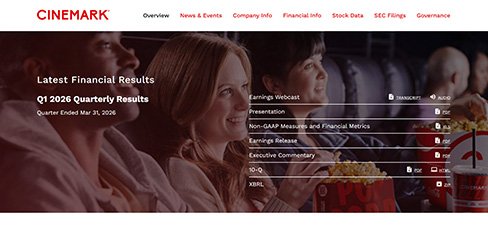
In a world of streaming, we needed to make going to the movies feel special again starting from the moment you decide to go. UX Stalwarts designed an experience that makes discovery exciting, seat selection immersive, and group coordination effortless. Advance sales nearly doubling and concession pre-orders quadrupling proved that a great digital experience drives theatrical attendance and spending.
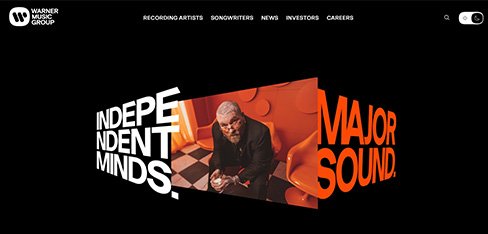
Streaming platforms own the fan relationship and the data. UX Stalwarts designed a platform that puts artists and fans in direct connection with exclusive content and social listening that no DSP offers. Listening time increasing 48 percent and 280,000 premium memberships proved that fans will pay for deeper connection when the experience is worth it.
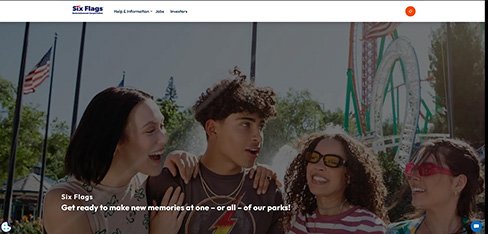
People browsed our site looking at rides but did not commit to tickets because there was no story pulling them in. UX Stalwarts designed a discovery experience that makes planning a Six Flags visit as exciting as the visit itself. Conversion improving 56 percent and season pass renewals jumping 28 percent proved that entertainment platforms need entertainment-quality design.
The questions streaming operators ask before choosing a design partner.
Start with media specificity. A studio that has never shipped a TV app or a player interface will miss where streaming platforms actually break down. Candidates among top OTT UI UX design companies worth considering bring proven multi-device experience, not just consumer product portfolios. Ask for before-and-after retention numbers, view-time improvements, and cross-device continuity outcomes rather than aesthetic case studies alone. Check experience with Android TV, tvOS, webOS, Tizen, and Roku certification realities your engineering team will actually navigate. Review component libraries designed for 10-foot UI and touch together. A credible best streaming platform design agency defends decisions to product, content ops, engineering, and commercial teams in one meeting. Strong Streaming UX Design Agency credentials and Streaming Service UI Design Firms benchmarks clear this same bar.
Pricing for streaming platform design services varies with scope, device count, and monetization complexity. A focused UX audit on an existing OTT service typically starts in the low five figures. A complete OTT app UI UX design engagement covering research, viewing behavior mapping, rail architecture, player interfaces, payment flows, and a cross-device component library usually runs mid-five to six figures. Enterprise programs involving multiple TV platforms, live sports surfaces, studio ops consoles, or ongoing optimization reach higher. Streaming platform design services pricing ultimately depends on device scope, monetization model count, localization languages, and live-event support requirements. Transparent scoping prevents commercial surprises during content launch planning cycles. Compare streaming platform design Company quotes, streaming platform design companies portfolios, and streaming platform design solutions side by side.
Timelines depend on scope and device count. A targeted audit with prioritized recommendations typically takes four to six weeks. A single-device redesign like a TV app or mobile client runs ten to fourteen weeks including certification preparation. A complete video streaming platform design engagement covering discovery, behavior mapping, rail architecture, interface craft across devices, and a documented component library generally runs twenty-four to thirty-two weeks. Streaming app design engagements for single-device focus sit at the shorter end, while multi-platform enterprise rebuilds extend further. We scope in two-week milestones so product, content ops, and engineering teams can evaluate progress continuously alongside content launch planning. Video Streaming App Design Services, Video Streaming App UX Design Services, and Video Streaming App Design Company estimates follow this pattern.
A structured engagement follows six sequential phases. First, catalog discovery collects content analytics, viewer segments, and competitive benchmarks. Second, viewing behavior mapping documents decision, discovery, playback, and renewal paths across devices. Third, content rail architecture validates taxonomy, personalization, and search through tree testing. Fourth, device interface craft produces high-fidelity screens across phone, tablet, web, TV, and console against a device-aware component library. Fifth, device certification validation tests designs on real target hardware before submission. Sixth, retention iteration tracks metrics across content cycles. Each phase ends with a signed-off deliverable. This sequencing reflects streaming platform UX best practices and current OTT app design trends drawn from shipped engagements. This sequencing reflects streaming platform system design Agency and Streaming Platform Product Design Agency standards.
Three things separate our streaming work. First, cross-device continuity ownership. Every engagement ships designed for phone, tablet, web, TV, and console together rather than retrofitting one platform to another. Second, player craft as first-class work. Playback, captions, and ad transitions receive the same design rigor as browse screens. Third, monetization model adaptability across SVOD, AVOD, TVOD, FAST, and hybrid tiers. A proven live streaming platform design practice applying these commitments consistently appears on shortlists when operators evaluate partners. Portfolio polish alone rarely reveals whether a studio has navigated TV certification, live-event pressure, or multi-region content rights complexity that define real streaming operations. Custom Video Streaming Platform UI UX Design Services, Streaming Platform UI UX Design Solutions, and Streaming App UI UX Design Agencies share these commitments.
Starting is deliberately lightweight. A brief discovery call covers platform stage, device scope, content mix, monetization model, known pain points, and desired outcomes. Within five working days you receive a scoped proposal covering phased milestones, deliverable samples, team composition, timeline, and commercial terms under NDA. Teams looking to hire UX designers for OTT platforms on a dedicated basis can also discuss ongoing resource arrangements. A paid pilot sprint focused on one high-leverage surface is available for teams wanting to test chemistry before committing to full engagement. You can begin with a short enquiry, share platform documentation under NDA, or explore related capabilities through our broader UX design services page as a starting reference. Teams can also Hire Streaming App UI UX Designer talent on retainer.
Several adjacent capabilities compound the impact of streaming product design. A mature design system accelerates every content launch, seasonal campaign, and new device surface while protecting consistency across TV, mobile, web, and marketing. Conversion rate optimization sharpens signup, tier upgrade, and ad-tier funnel performance through continuous A/B testing. Video streaming UI examples from mature teams often pair with motion design for hero banners, dedicated usability testing for new live-event surfaces, and accessibility audits for subtitle and audio-description compliance. Selection depends on stage; early operators prioritize cross-device flows, while mature platforms gain more from optimization and system governance supporting long-running content and live-event calendars. Streaming App Interface Design Agency, Streaming App UI Design Agency, Streaming App UX Design Company partners and UI UX Design for Video Streaming Apps studios pair naturally here.
Every engagement is scoped around the specific streaming service, not a template. A premium SVOD service has different needs than a free AVOD aggregator. A live sports platform requires different hierarchy than an on-demand movie service. A regional vernacular service demands different discovery logic than a global-catalog operator. Our work as an OTT platform UI UX design partner differs across SVOD, AVOD, TVOD, FAST, and hybrid services, while OTT platform design engagements for niche verticals like fitness or kids content follow different research paths entirely. Discovery produces a custom engagement plan accounting for content model, device scope, monetization, and regulatory jurisdiction specific to your service and markets. Video Streaming Website Design Agency, Custom Streaming Platform Design Firms, and Streaming Platform UX Consulting Services scope every engagement uniquely.
Yes, and it is usually where meaningful streaming wins show up. After launch, real viewer behavior often differs from research predictions in small but important ways. Retainer options range from enterprise programs to lighter engagements covering specific device surfaces. Typical support covers ongoing design iteration, component library expansion, seasonal content campaign support, live-event launch templates, periodic viewer research, and analytics-driven refinement of discovery and playback flows. Remote validation plays a central role here, covered in our guide to remote usability testing that applies equally to distributed viewer panels recruited across target regions for representative streaming insight. Streaming UX Optimization Services, Streaming Interface Design Services, Streaming Platform UX Design Companies, and Streaming App User Experience Design Companies offer aligned retainer paths.
Coverage spans SVOD entertainment, sports streaming, news platforms, music video services, regional vernacular OTT, kids and family, fitness and wellness streaming, education and documentary, and FAST channel aggregators. Clients range from pre-launch founders to established operators across India, the United States, the United Kingdom, the GCC, and Southeast Asia. A regionally experienced team understands that Indian viewers respond to vernacular-first discovery and mobile-heavy consumption, SEA markets prefer hybrid AVOD-SVOD models, GCC services require Arabic-first interfaces and right-to-left layouts, and US markets increasingly adopt ad-supported tiers. Pattern transfer across verticals is deliberate; a proven live-event surface for sports often accelerates news live-coverage design decisions for adjacent categories. Video Streaming App Design Services, Video Streaming App UX Design Services, Video Streaming App Design Company, and Video Streaming Website Design Agency engagements adapt per market.
Discovery reflects specific design decisions, not algorithm magic alone. Our method combines four techniques. First, rails communicate why content appears so viewers trust recommendations rather than guessing. Second, detail pages lead with the decision-supporting signals real viewers use, like runtime, genre, cast, and social proof. Third, search respects intent, surfacing direct matches before fuzzy suggestions. Fourth, continue-watching and watchlist are treated as navigation, not storage. Streaming platform UX best practices and current OTT app design trends built on this foundation lift search-to-play conversion and reduce the common silent-churn pattern where viewers open the app, cannot decide, and close it without starting anything. Hire Streaming Platform Designers, find Streaming App Designers for Hire, and review streaming platform design Company, streaming platform design companies, and streaming platform design solutions options.
Accessibility shapes design inputs rather than post-launch reviews. Before screens are drawn, our team maps accessibility expectations across target platforms: closed caption customization, audio descriptions, high-contrast interface modes, full keyboard and remote navigation, reduced-motion preferences, and multi-language audio tracks. Subtitle quality standards including speaker identification, background opacity, and reading-speed calibration are treated as craft rather than dump-the-strings-into-the-player work. Our article on UX accessibility audits covers broader inclusive design thinking applied to streaming. Accessible streaming services earn certification faster, reach wider audiences, and build community reputation that supports organic subscriber growth over time. UI UX Design for Video Streaming Apps, Streaming Platform UI UX Design Solutions, Streaming App Interface Design Agency, Streaming App UI Design Agency, Streaming App UI UX Design Agencies, and Custom Streaming Platform Design Firms all embed accessibility this way.
Cross-border streaming operations demand more than translated strings. Payment method preferences, content-rights complexity, cultural imagery sensitivity, and regulatory disclosures vary sharply by market. Our approach builds UI systems that localize without breaking layouts, accounting for text expansion in German and Russian, CJK rendering for East Asian markets, right-to-left support for Arabic and Hebrew, and regional content-advisory requirements like PEGI and OFCOM. Our article on multi-language interface design for global platforms covers the broader approach. Responsive streaming UI design anticipating international launches from day one costs far less than retrofitted localization during active content-rights negotiation cycles. Hire Streaming Platform Designers and Streaming App Designers for Hire arrangements, plus streaming platform system design Agency, Streaming Service UI Design Firms, and Streaming Platform Product Design Agency partners, all face these realities.
Yes. Streaming design systems carry specific requirements beyond general product systems. Components must handle content cards across rail types, hero banners, episode lists, progress indicators, live-badge states, ad-pod transitions, multi-audio and subtitle panels, parental-control modifiers, and 10-foot UI scaling alongside touch and pointer inputs. Our system engagements produce tokenized foundations, a production-ready component library, documented accessibility behavior, animation patterns, and engine-aware handoff kits across phone, tablet, web, TV, and console surfaces. For long-running streaming operations, stewardship matters as much as initial build, which we cover in our article on design system governance applied to media production contexts. Teams can Hire Streaming App UI UX Designer talent, retain Streaming Platform UX Consulting Services, or compare Streaming App UX Design Company and Streaming App User Experience Design Companies partners here.
Measurement begins before design. During discovery we capture baselines for flows being redesigned: average view time, session depth, resume success rate, search-to-play conversion, churn reasons, and ad-tier tolerance. After launch the same metrics are re-measured at thirty, sixty, and ninety days, and across every content-launch cycle. Secondary signals include completion rate, cross-device continuity success, subtitle adoption, accessibility feature usage, and app store sentiment across supported devices. Quarterly reviews tie design decisions back to subscriber retention, ARPU, ad-tier tolerance, and content-investment ROI movement. Measurement discipline across every streaming platform UX services engagement separates cosmetic redesigns from durable viewer retention over multiple content-launch seasons consistently. Custom Video Streaming Platform UI UX Design Services, Streaming Platform UX Design Companies, Streaming UX Optimization Services, and Streaming Interface Design Services teams sustain this discipline.

C – 81C, Sector – 8, Noida 201301, India


1025 Beamon Drive, Franklin 37064 Tennessee, USA
Sveavagen 34 111 34 Stockholm, Sweden
A-10, Sahastradhara Rd, Doon IT Park, Dehradun, Uttarakhand

© 2026 UX STALWARTS. All rights reserved.