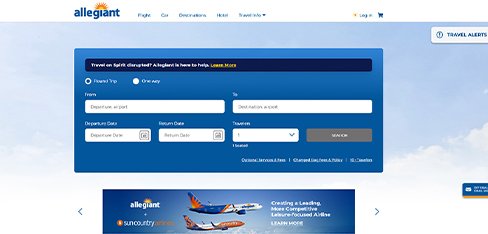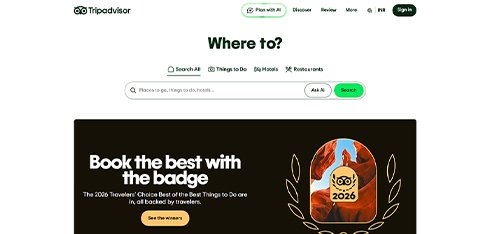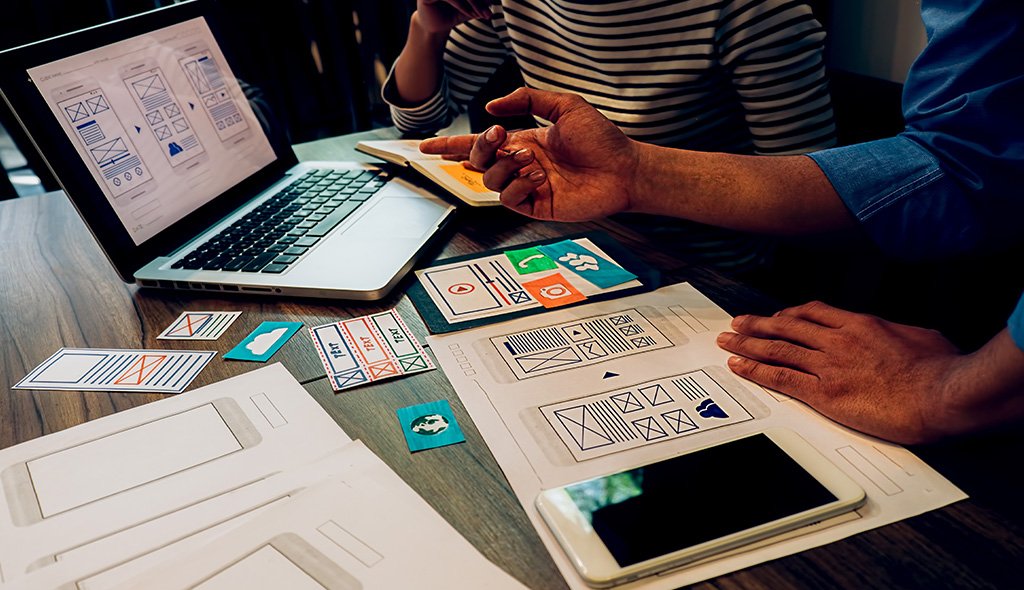
Travel products lose customers in the smallest moments. A search that takes six seconds to load. A fare comparison that hides baggage fees. A checkout that times out during a payment authorization. A trip management screen that cannot explain why a flight rescheduled. These friction points quietly erode revenue that marketing teams spent heavily to attract. Weak Travel UI UX Design shows up as abandoned searches, lower ancillary attachment, rising call center volume, and loyalty members who book elsewhere next time. In travel, decision windows close fast and trust once lost rarely returns. A single confusing step during booking can wipe out the margin a campaign worked months to earn.
Our approach treats the platform as the journey it enables, not a catalog of suppliers. Before any screen is produced, our team analyzes traveler segments, booking patterns, payment preferences, multi-supplier orchestration, operational workflows for agents and concierge teams, and the exact funnel points where bookings currently drop. From there we deliver research-backed information architecture, search and filter interfaces, fare and room card systems, payment and ancillary flows, itinerary management, and a scalable component library. As a specialized Travel UI UX Design Agency, we engineer the moments that decide revenue: first results, fare lock, seat selection, payment, and post-booking changes. Every screen ties to a measurable metric.
Eighteen years of design experience across thirty-plus countries gives our team real fluency in how travel is searched, booked, and experienced across very different markets. UX Stalwarts has partnered with early-stage OTA founders launching niche vertical products and with large legacy carriers modernizing passenger-facing platforms. Our designers speak the vocabulary of GDS, NDC, PNR, fare families, CRS integrations, loyalty tiers, visa documentation, and disruption handling. That fluency separates a surface refresh from a travel ux/ui design agency capable of owning revenue outcomes. Where generalist studios ship Figma files and wish you luck, we commit to the booking or attach-rate number each screen is meant to move.

Generic personas miss how people actually plan trips. Our discovery combines search log analysis, session recordings across inspiration-to-booking funnels, interviews with frequent flyers, first-time travelers, and business bookers, and observation of how trips actually unfold on the ground across different regions.

Travel platforms juggle flights, hotels, cars, activities, and insurance from dozens of suppliers. Each feed carries different data schemas, content quality, and availability rhythms. Our team designs interfaces that present this messy reality cleanly without forcing travelers to reconcile inconsistent pricing or availability themselves across screens.

Travelers search on phones, book on phones, and live on phones once the trip begins. Our designs start from mobile thumb zones, offline resilience for boarding passes and itineraries, weak-signal graceful degradation, and push notifications that deliver genuine trip updates rather than hijacking attention during a holiday.

Travel payments carry real complexity. Multi-currency display, FX markup transparency, local payment method support, saved card security, and refund rules all affect conversion. Our designs respect this complexity rather than hiding it, building trust at the exact moment travelers are spending several months of saved income on one booking.

Flights get delayed, hotels oversell, weather cancels activities. Most platforms design only the happy path and leave disruption handling to call centers. Our approach bakes cancellation, rescheduling, refund, and rebooking flows into the core product so travelers can recover without picking up the phone.

Travel teams move fast around peak seasons, fare sales, and route launches. Our collaboration model matches that pace with weekly product syncs, shared Figma spaces, written decision logs, and direct access to the senior designer owning your account. Deadlines stay honest because travel rollout pressure is very real.
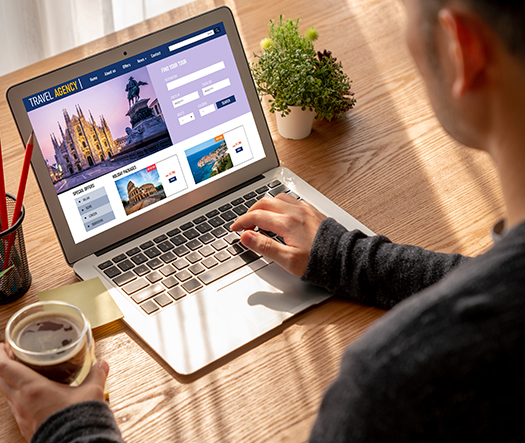
Travel interfaces carry a measurable revenue consequence. A confusing fare comparison costs you ancillary attachment. A slow itinerary screen surrenders loyalty logins to competitors. A clunky agent console pushes concierge staff back to spreadsheets during peak season. Strong ui ux design for travel industry changes the numbers that actually compound: look-to-book conversion climbs, ancillary attach rates rise, disruption calls drop, and repeat booking frequency grows. A thoughtful Tourism UX Design Company understands decision psychology, supplier complexity, and the quiet moments where hesitation turns into a closed tab. Every screen is shaped to move real revenue numbers.
Partner with specialists who design travel products that convert and retain.
Every engagement follows a deliberate sequence built to reduce friction across discovery, booking, travel, and post-trip moments while lifting revenue where it matters.

We begin by mapping the travel ecosystem around your business: traveler segments, supplier integrations, competitive set, regulatory considerations, and operational workflows for internal teams. Search analytics, call center recordings, and booking funnel data establish the measurable baseline that every subsequent design decision must eventually improve.

Travel spans inspiration, search, comparison, booking, pre-departure, in-trip, and post-trip moments. We map each stage with traveler emotion, information needs, device context, and decision pressure captured. These maps guide every screen decision so planning flows, booking flows, and trip management flows all feel like the same product.

Flights, hotels, cars, and activities each carry different data shapes. We design information architecture that absorbs this variety cleanly. Filter taxonomies, sort logic, fare family displays, and room type comparisons get structured through tree testing and card sorting so travelers compare like with like without confusion.

High-fidelity search results, fare pages, payment flows, and trip management screens ship alongside a component library tuned for travel density. Imagery, pricing transparency, ancillary upsell, and trust cues are weighted through visual hierarchy designed to guide the next tap. Responsive behavior and accessibility review happen before engineering handoff.

Happy-path designs matter less than how the product behaves when things go wrong. Cancellations, rescheduling, refund requests, flight delays, and oversold properties are designed explicitly and tested with real travelers before launch. Edge cases, error messaging, and recovery paths are treated as core product surfaces rather than exceptions.

Post-launch, booking funnel data guides continuous refinement. Conversion steps, search abandonment points, ancillary attach rates, and disruption resolution times are monitored against the Phase One baseline. Where gaps surface, targeted revisions ship in structured sprints so the platform keeps improving look-to-book numbers season after season.
Drawn from over one thousand engagements, these projects reflect measurable outcomes across booking platforms, loyalty apps, and supplier tools.
Foundational values behind every travel engagement are traveler trust, clarity under multi-supplier complexity, and revenue discipline. Teams evaluating a Travel Website Design Agency weigh domain fluency against execution speed, and both matter here. From seed-stage travel startups launching niche vertical products to established carriers modernizing aging booking engines, our team operates across the maturity spectrum. Design decisions balance immediate traveler needs against the runway required for supplier expansion.
Industry coverage spans online travel agencies, direct carrier platforms, hotel chains, vacation rentals, corporate travel tools, destination marketing sites, loyalty programs, ground transportation, and travel agent consoles. Our Travel Product Design Agency work extends through end-to-end travel product design services across OTAs and supplier-direct businesses alike. Exposure to these adjacent verticals gives our designers a transferable pattern library that determines whether travel ui ux design services feel natural on first use.
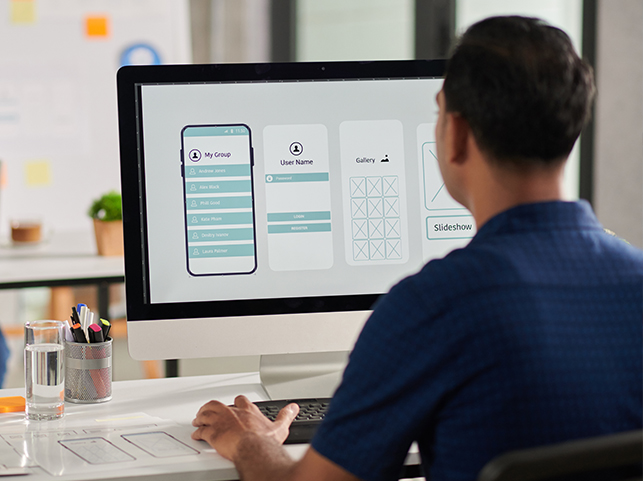
Choosing the best UI UX design company for travel apps comes down to fit, not reputation alone. UX Stalwarts has been referenced in industry publications, shortlisted for international design awards, and cited in travel operator case studies because the output consistently lifts look-to-book conversion rather than just refreshing visual style. Three commitments explain why clients select our team over comparable options.
Journey Over Catalog Thinking: Every screen belongs to a larger journey, so discovery, booking, and post-trip flows feel like one product rather than stitched modules.
Multi-Supplier Design Fluency: Travel data is messy. Our interfaces absorb supplier variety cleanly so travelers never confront inconsistent pricing or inventory mismatches.
Disruption As Core Product: Cancellations, delays, and rescheduling are designed as first-class surfaces, so travelers recover without escalating to call centers or social media.
Our studio uses category-leading tools selected for collaboration speed, engineering handoff accuracy, and analytics integration across every Travel Portal UI UX Design Services engagement we run end to end.









Travelers were leaving our site at the ancillary screen because the total cost felt like a surprise. UX Stalwarts redesigned our booking with transparent pricing and a unified package builder that makes adding hotels and cars feel like saving money rather than spending more. Direct bookings jumping 62 percent proved that clarity and honesty in UX converts better than buried fees.
We had the world’s largest review database but were losing the inspiration-phase traveler to Instagram and blogs. UX Stalwarts redesigned discovery around visual storytelling and collaborative planning. Session depth tripling and downstream booking revenue increasing 44 percent proved that capturing travelers earlier in their journey translates directly to monetization.
Two-thirds of our revenue was going through distributors because our own booking experience was fragmented and confusing. UX Stalwarts created a unified platform that makes booking a Banff gondola ride and a Glacier lodge feel like one seamless journey. Direct revenue jumping 78 percent and mobile on-site conversions more than doubling fundamentally changed our distribution economics.
The questions travel leaders ask before selecting a design partner.
Start with domain specificity. A generalist studio that has never shipped a fare comparison or an itinerary screen will miss where travelers drop off. A proven travel ux/ui design agency brings booking funnel experience, not just pretty portfolios. Ask for before-and-after conversion numbers, not just visual case studies. Check that the agency understands GDS, NDC, PNR flows, and supplier APIs your engineering team actually uses. Review component libraries designed for messy travel data. A credible Tourism UX Design Company defends its decisions to product, engineering, and revenue management leads in one meeting. Evaluating the Best UI UX Design Company for Travel Apps means asking for measurable outcomes rather than aesthetic awards alone.
Pricing for travel ui ux design services varies with scope, supplier complexity, and platform breadth. A focused UX audit on an existing travel product typically starts in the low five figures. A full Travel UI UX Design engagement covering research, supplier architecture, fare and payment flows, trip management, and a component library usually runs mid-five to low-six figures. Enterprise programs involving loyalty platform redesign, multi-country rollouts, or ongoing optimization reach higher. Affordable Travel Website UX Design Services also exist as structured pilot sprints designed to prove value before larger commitment. Variables that move price include supplier count, localization scope, payment method breadth, and depth of post-launch support. Affordable Travel Website UX Design Services and Travel Website UI UX Design Company pilots stay available.
Timelines depend on scope and supplier complexity. A targeted audit with prioritized recommendations typically takes three to four weeks. A single-flow redesign like fare search or checkout runs six to eight weeks including validation. A complete travel ui ux design services engagement covering discovery, supplier architecture, high-fidelity screens, and a documented component library generally runs twelve to twenty weeks. Travel Web App Prototyping Services as a standalone engagement often take four to six weeks. Enterprise rebuilds involving loyalty programs, new platform migrations, or ongoing Travel Platform UX Design retainer work extend further. We scope in two-week milestones so your team can evaluate progress continuously. Travel Web App Prototyping Services and UI UX Agency for Travel Startups tracks run alongside.
A structured engagement follows six sequential phases. First, travel discovery collects supplier inventory, analytics, and competitor benchmarks. Second, journey mapping captures inspiration-through-post-trip traveler paths. Third, supplier architecture validates filter logic, fare family displays, and room comparisons through tree testing. Fourth, conversion interface work produces high-fidelity search, booking, and trip screens against a component library. Fifth, disruption validation tests cancellation and rebooking flows with real travelers before development. Sixth, post-launch optimization tracks funnel performance. Each phase ends with a signed-off deliverable. This sequencing is why travel app ui ux design services and Travel Booking App Design engagements with our team protect timeline integrity. Many Travel Booking App Design Firms and Travel App UI UX Design Company shortlists skip these checks.
Three things separate our travel work. First, we design the full journey rather than isolated screens, so inspiration, booking, and post-trip experiences feel like one product. Second, multi-supplier fluency. Travel data arrives messy; our designs absorb that complexity cleanly rather than forcing travelers to reconcile inconsistent fares or availability. Third, disruption is treated as core product. Cancellations, rescheduling, and refunds get first-class surfaces. A proven Travel App UI UX Design team carries this discipline into Travel App Design Agency engagements, giving startups and enterprises equal access to our craft. Clients shortlisting the Best UI UX Design Company for Travel Apps look for exactly this consistency. Travel App UI UX Design Company and Hire Travel UI UX Designer shortlists show this preference.
Starting is deliberately lightweight. A brief discovery call covers platform stage, primary traveler segments, supplier setup, known pain points, and desired outcomes. Within five working days you receive a scoped proposal covering phased milestones, deliverable samples, team composition, timeline, and commercial terms. A paid pilot sprint is available for teams wanting to test chemistry before committing. Most clients move from first conversation to kickoff within two weeks. You can begin with a short enquiry, share product documentation under NDA, or explore related capabilities through our broader UX design services page. Teams looking to Hire Travel UI UX Designer support on a dedicated basis can also discuss ongoing arrangements. Trusted Travel App Design Agency and travel ui/ux design services partners stay accountable here.
Several adjacent capabilities compound the impact of travel product design. A mature design system accelerates every new feature release and protects consistency across booking web, mobile, agent console, and marketing surfaces. Conversion rate optimization sharpens funnel performance through continuous A/B testing on search, fare, and checkout flows. Travel Website UI UX Design engagements benefit from dedicated usability testing, motion design for ancillary nudges, and accessibility audits for regional compliance. A specialized UI UX Agency for Travel Startups often pairs these services to ship complete products rather than isolated interfaces. Selection depends on stage; early startups prioritize flows, while mature platforms gain more from optimization. Tourism UI UX Design Services and travel app ui ux design services partners typically structure these.
Every engagement is scoped around the specific travel product, not a template. An OTA has different needs than a direct carrier app. A luxury hotel chain requires different hierarchy than a budget vacation rental marketplace. Our Travel Mobile App UI Design Services work for consumer apps looks different from travel mobile app ui ux design services for enterprise agent tools. A Travel SaaS UX Design Agency engagement for back-office software differs again. Discovery produces a custom engagement plan accounting for supplier integrations, traveler segments, platform stack, and commercial priorities. Sprint cadence, deliverable format, and stakeholder involvement all adjust to match how your organization actually makes decisions across product, revenue, and operations.
Yes, and it is usually where meaningful travel wins show up. After launch, real traveler behavior often differs from research predictions in small but important ways. Retainer options range from enterprise programs to lighter arrangements for smaller platforms. Typical support covers ongoing design iteration, component library expansion, seasonal campaign support, periodic usability studies, and analytics-driven optimization of search and booking flows. A dedicated Travel Product Design Agency partner keeps that rhythm consistent through peak seasons, fare sales, and route launches. Teams delivering End-to-End Travel Product Design Services often stay engaged for multi-quarter roadmaps. Remote validation plays a central role here, covered in our guide to Travel UI UX Design Firms and travel ui ux design companies follow that rhythm, remote usability testing.
Coverage spans OTAs, carrier direct platforms, hotel chains, vacation rentals, corporate travel tools, destination marketing sites, loyalty platforms, travel insurance, ground transport, and concierge services. Clients range from pre-launch founders to listed travel groups operating across India, the United States, the United Kingdom, the GCC, and Southeast Asia. A regionally experienced UI UX Design for Travel Industry team understands that multi-city itineraries matter in Europe, domestic air-rail combos matter in India, and GCC carriers carry different loyalty expectations. Pattern transfer across verticals is deliberate; a proven hotel detail page often accelerates activity-booking decisions because scan behavior repeats across categories. travel ui ux design firms in india and travel ui/ux design services teams bring this fluency.
Travel search carries heavier cognitive load than most categories. Our method combines four techniques. First, default search behavior surfaces relevant results within two seconds, even on messy supplier data. Second, filters adapt to results rather than imposing fixed taxonomies, so fare class filters appear for flights and amenity filters appear for hotels. Third, comparison interactions let travelers hold two or three options side by side without losing context. Fourth, sort orders respect traveler priorities like cheapest, fastest, or best rated rather than promoting commercial bias invisibly. Travel Portal UI UX Design Services engagements built on this discipline consistently improve look-to-book conversion without fare inventory changes. Travel Platform UX Design Agency teams refine these patterns.
Mobile now dominates travel traffic, and design must reflect how travelers actually use phones during planning, booking, and travel itself. Travel mobile app ui ux design services prioritize thumb zones, offline boarding pass and itinerary access, and push notifications that carry genuine trip updates rather than promotional noise. Cards adapt gracefully to one-hand scrolling. Payment flows use platform-native methods like Apple Pay and Google Pay wherever possible. Travel Mobile App UI Design Services teams design for weak airport Wi-Fi, low battery moments, and roaming data caution, because travelers need the app most when their network is worst. Performance budgets matter as much as visual polish. Best travel ui ux design solutions deliver this discipline.
Cross-border travel platforms demand more than currency conversion. Payment method preferences vary sharply by region: UPI in India, iDEAL in the Netherlands, Alipay in China, Apple Pay across developed markets. FX markup transparency builds trust at the exact moment travelers hesitate. Tax display rules, refund timelines, and local regulatory disclosures need explicit design attention. Our work as a Tourism UI UX Design Services partner includes research into regional norms so flows feel familiar to travelers rather than translated. Our article on Engaging Travel UI UX Design Firms and travel ui ux design firms in india partners handles these regional nuances. multi-language interface design for global platforms covers the broader localization approach we apply.
Yes. Travel design systems carry specific requirements beyond general product systems. Components must handle multi-currency price formatting, fare family badges, seat map variations, room type cards, tier states for loyalty, and regulatory disclosures. A Travel UI UX Design Agency building on disciplined systems ships new destinations, suppliers, and campaigns faster. Our system engagements produce tokenized foundations, a production-ready Travel Platform UX Design Agency, travel ui ux design solutions and travel ui ux design companies depend on these systems. component library, documented accessibility behavior, and developer handoff kits. For enterprise travel platforms, long-term stewardship matters as much as the initial build, which we explore in our article on design system governance.
Measurement begins before design. During discovery we capture baselines for flows being redesigned: look-to-book conversion, search-to-result time, ancillary attach rate, cart abandonment at payment, call center deflection, and disruption resolution time. After launch, the same metrics are re-measured at thirty, sixty, and ninety days. Secondary signals include repeat booking frequency, loyalty login conversion, app store ratings, and accessibility compliance coverage. Quarterly reviews tie design decisions back to revenue, cost, and retention movement. Whether the engagement is a Travel Website Design Agency brief for a carrier or a Travel SaaS UX Design Agency project for back-office software, measurement discipline distinguishes cosmetic redesigns from durable outcomes. Travel Booking App Design Firms and Travel Website UI UX Design Company partners apply similar rigour.

C – 81C, Sector – 8, Noida 201301, India


1025 Beamon Drive, Franklin 37064 Tennessee, USA
Sveavagen 34 111 34 Stockholm, Sweden
A-10, Sahastradhara Rd, Doon IT Park, Dehradun, Uttarakhand

© 2026 UX STALWARTS. All rights reserved.